
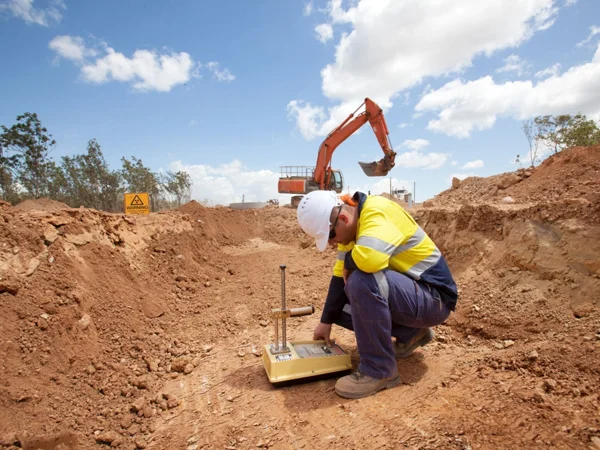
When you’re planning a major civil engineering project or construction site, it’s really easy to get caught up in all the physical properties, soil strength, stability and bearing capacity. But skip over the chemical analysis of soil for civil construction at your peril, because overlooking it can completely jeopardise your entire structure. Today, chemical testing is a fundamental part of soil testing and geotechnical testing, giving you the accurate data you need to understand factors that can affect the durability, safety and compliance of your project. For your project’s long-term stability and success, chemical analysis is plain and simple non-negotiable.
You’ll want to know the soil’s load-bearing capacity, but you also need to assess the chemical properties that directly affect how well materials perform. The substances present in the soil, like sulphates, heavy metals or organic matter, may seem invisible, but they have the potential to cause structural failures, regulatory compliance issues and increased costs. In this article, you’ll learn why chemical testing services play a key role in civil engineering projects, what tests are needed, and how getting accurate results and a quick turnaround can save you from a whole lot of future headaches down the line.
What Is Chemical Analysis of Soil?
Let’s get the basics out of the way. Chemical analysis of soil for civil construction is a comprehensive range of lab and on-site tests that determine a soil sample’s properties and potential risks. Beyond the standard geotechnical measures like Atterberg limits, density and moisture content, chemical analysis looks at pH value, sulphate content, organic content, specific gravity and contaminants like heavy metals or hydrocarbons. Laboratories conduct these tests to BS 1377 and relevant European standards, which means the data will meet industry standards, as it should for all civil engineering projects.
You’ll need to provide some representative soil samples from your construction project for testing. An experienced laboratory will use a rigorous process that may include specific soil analysis (like waste acceptance criteria, leachability and organic matter analysis) and other testing methods like particle size distribution or plasticity index determination. The resulting chemical profile will give you the information you need to make good decisions right through the project planning and execution phases.
The Hidden Risks in Your Soil: Why You Can’t Ignore the Chemical Properties
Overlooking the chemical properties of soil isn’t just a risk; it can end up being costly and not safe at all. Here are four reasons why every construction project needs to factor in laboratory chemical testing right from the start:
1. Protecting Your Concrete and Steel Structures
Chemical analysis is critical in protecting your structures from attack by aggressive compounds. In particular, high levels of sulphate in the soil can cause chemical reactions with buried concrete, leading to expansion, cracking and reduced durability. Through lab chemical analysis, you can work out the sulphate risk and adjust your foundation design as needed or use sulfate-resisting cement. It’s one of those things that can save you from expensive remedial work and help your structures last as long as you want them to.
2. Ensuring Workforce Safety and Public Health
Safe construction work is about more than just hard hats and health and safety briefings. The soil samples you take may reveal the presence of contaminants like heavy metals, asbestos or hydrocarbons left over from previous site use. A full suite of chemical tests, including pH, organic matter and waste characterisation, will identify hazards early on, meeting all the regulatory requirements. With accurate data from lab testing, you’ll be able to keep your project safe and equip yourself to manage disposal, select the right PPE and comply with all the environmental standards.
3. Avoiding Costly Delays and Disposal Fees
Discovering contamination during construction can pretty much halt progress overnight and send costs soaring. Waste acceptance criteria (WAC) testing lets you know whether excavated materials are suitable for standard landfills or need hazardous waste disposal. With comprehensive chemical analysis, you can classify materials before work starts, develop remediation plans and budget for specialist disposal if needed. It’s a proactive approach that will help you stay on schedule and avoid any budget surprises.
4. Meeting Environmental and Planning Regulations
Civil engineers and planners will both need to see proof that your site meets those strict environmental standards. Submission of lab test results, including chemical properties and contaminants, is often required to satisfy regulatory compliance for new development. Providing up-to-date lab results on particle size distribution, moisture content, and organic content shows you’re being responsible and keeps your project on the right track. These lab tests are a basic part of good civil engineering practice and will help protect your investment.
Making Informed Decisions with Clear Data
The greatest benefit of chemical analysis of soil for civil construction is the high-quality, usable data you get for each soil sample. With accurate lab tests covering everything from pH value and sulphate levels to the presence of hazardous materials, you can:
- Design with confidence: Use lab measurements of soil properties to pick the right mix for foundation design or for concrete durability.
- Minimise risks: Address specific requirements for health, safety and environmental protection early on.
- Control costs: Avoid structural failures, unplanned disposal costs and delays due to non-compliance.
- Stay on the right side of the law: Ensure your construction project ticks every box and meets all the necessary regulations in the UK and Europe, from the lab to the actual site.
From getting to the bottom of your geotechnical issues to figuring out the nitty-gritty of the chemicals involved, a top-notch construction project needs a service that covers all bases when it comes to soil tests. And that means ones tailored specifically to your site & your build, whatever that looks like. Team up with a company that really knows what it’s doing, has the right equipment, and can get you the results you need quickly. With sound decisions backed up by data you can rely on, you can be sure your structures will stay safe, stand up to whatever life throws at them & stay within budget, and pass all your quality checks with flying colours, for years to come.