
Energy has become one of the most valuable resources for businesses and homeowners alike. Rising electricity costs, growing energy demand, and the increasing adoption of renewable power have completely changed the way people think about electricity management. Instead of depending solely on the power grid, organizations are now investing in technologies that provide greater control over how energy is stored, distributed, and used throughout the day.
In 2026, one solution stands out as a key driver of this transformation: the Commercial Energy Storage System. Once considered a specialized technology for large industrial facilities, energy storage has become a practical investment for warehouses, manufacturing plants, office buildings, retail centers, schools, healthcare facilities, and many other sectors. By storing electricity during low-demand periods and making it available when demand increases, businesses can improve efficiency, strengthen energy resilience, and reduce long-term operating costs.
At the same time, energy storage is no longer limited to commercial environments. Residential solutions continue gaining popularity as homeowners look for smarter ways to manage electricity consumption while integrating solar power into their daily lives. Together, these developments are creating a future where energy is not only generated more efficiently but also managed far more intelligently.
Energy Management Has Become More Important Than Energy Production
For decades, most organizations focused primarily on generating or purchasing enough electricity to meet operational needs. Today, the conversation has shifted toward managing energy more efficiently after it has been produced.
Electricity demand rarely remains constant throughout the day. Office buildings experience peak usage during working hours, manufacturing facilities operate multiple production schedules, and commercial properties often face higher utility rates during periods of maximum demand.
Energy storage allows businesses to capture available electricity and use it when it delivers the greatest financial and operational benefit.
This smarter approach helps reduce unnecessary waste while improving overall system efficiency.
Reducing Peak Demand Creates Long-Term Savings
One of the biggest challenges facing commercial facilities is peak electricity pricing.
Many utility providers charge significantly higher rates when businesses consume large amounts of electricity during high-demand periods. These demand charges can represent a considerable portion of monthly operating expenses.
Energy storage systems help reduce these costs by supplying stored electricity during peak demand instead of drawing additional power directly from the grid.
Over time, better demand management can contribute to meaningful operational savings while supporting more predictable energy budgeting.
Renewable Energy Works Better With Storage
Solar and other renewable energy sources continue expanding across commercial and residential properties.
However, renewable generation depends heavily on weather and daylight conditions. Electricity produced during sunny hours may exceed immediate demand, while cloudy conditions or nighttime require alternative power sources.
Storage bridges that gap.
Instead of allowing excess renewable energy to go unused, stored electricity remains available whenever production decreases or demand suddenly increases.
This improves the overall value of renewable energy investments while supporting greater energy independence.
Business Continuity Depends on Reliable Power
Unexpected power interruptions can create serious operational challenges.
Manufacturing equipment may stop operating, digital systems can experience downtime, refrigerated inventory may be affected, and essential services can become temporarily unavailable.
Modern energy storage provides an additional layer of resilience by supporting critical operations during outages or unstable grid conditions.
For organizations that depend on continuous productivity, reliable backup capability has become an increasingly valuable operational advantage.
Different Industries Benefit in Different Ways
Energy storage solutions support organizations across a wide range of industries.
Common applications include:
- Manufacturing facilities
- Distribution centers
- Warehouses
- Hospitals and healthcare centers
- Educational institutions
- Hotels and hospitality businesses
- Retail stores
- Agricultural operations
- Office complexes
- Data centers
Although operational requirements vary, each industry benefits from improved energy efficiency, stronger reliability, and greater control over electricity usage.
Intelligent Monitoring Improves Daily Operations
Modern storage technology offers much more than battery capacity.
Advanced monitoring software provides real-time visibility into energy production, storage levels, electricity consumption, and system performance.
Facility managers can identify usage trends, optimize operational schedules, and make informed decisions based on actual energy data rather than assumptions.
This level of insight supports both immediate efficiency improvements and long-term planning.
Sustainability Supports Stronger Business Strategies
Environmental responsibility has become an important objective for organizations worldwide.
Businesses are increasingly seeking practical ways to reduce carbon emissions while improving operational efficiency.
Energy storage complements sustainability initiatives by maximizing renewable energy utilization, reducing dependence on fossil fuel-generated electricity during peak demand, and supporting cleaner energy consumption patterns.
These benefits contribute to stronger environmental performance without sacrificing operational reliability.
Residential Energy Storage Continues Expanding
The advantages of energy storage extend well beyond commercial facilities.
More homeowners are investing in renewable energy systems to reduce electricity bills while increasing energy independence.
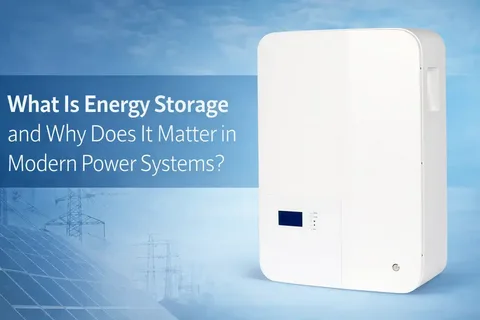
A dependable Home Energy Storage System allows families to store excess solar energy during the day and use it later during evenings, cloudy weather, or temporary power outages. This creates greater flexibility while improving the overall efficiency of residential renewable energy systems.
As battery technology continues improving, residential energy storage is becoming an increasingly practical solution for modern homes.
Technology Continues Advancing Every Year
Energy storage innovation continues progressing rapidly.
Manufacturers are developing batteries with higher energy density, faster charging capabilities, improved safety features, longer operating life, and more intelligent management software.
Future systems are expected to integrate artificial intelligence, predictive maintenance, automated load balancing, and even closer coordination with renewable energy sources.
These developments will continue making energy storage more efficient, affordable, and accessible for businesses and homeowners alike.
Investing in Long-Term Energy Security
Energy planning is no longer limited to meeting today’s electricity demand.
Organizations now evaluate how energy infrastructure will support future expansion, sustainability goals, and operational resilience.
Storage systems provide flexibility that traditional electricity supply alone cannot deliver. As energy markets continue evolving, businesses equipped with intelligent storage solutions will be better positioned to adapt to changing utility costs, renewable integration, and future technological advancements.
Thinking beyond immediate savings often leads to stronger long-term returns.
Conclusion
Reliable energy has become one of the most valuable assets for both businesses and homeowners. As electricity demand continues increasing alongside renewable energy adoption, efficient power management is becoming just as important as power generation itself.
Investing in a Commercial Energy Storage System enables organizations to improve efficiency, reduce operating costs, strengthen business continuity, and prepare for future energy challenges. Meanwhile, growing interest in the Home Energy Storage System demonstrates that intelligent energy management is no longer limited to large commercial facilities. Together, these technologies are shaping a smarter, more resilient, and more sustainable energy future for 2026 and beyond.
Frequently Asked Questions
1. What is a commercial energy storage system?
A commercial energy storage system stores electricity for later use, helping businesses reduce peak energy costs, improve efficiency, and maintain reliable power during outages.
2. Which businesses benefit most from energy storage?
Manufacturing plants, warehouses, hospitals, schools, hotels, retail centers, office buildings, and agricultural operations can all benefit from improved energy management.
3. Can energy storage work with solar panels?
Yes. Energy storage systems are commonly paired with solar installations to store excess electricity generated during the day for later use.
4. Why are homeowners installing energy storage systems?
Homeowners use energy storage to maximize solar energy, reduce reliance on the electrical grid, lower utility bills, and provide backup power during outages.
5. Is energy storage a good long-term investment?
For many commercial and residential applications, energy storage can improve operational efficiency, support renewable energy integration, and provide long-term value through better energy management.