
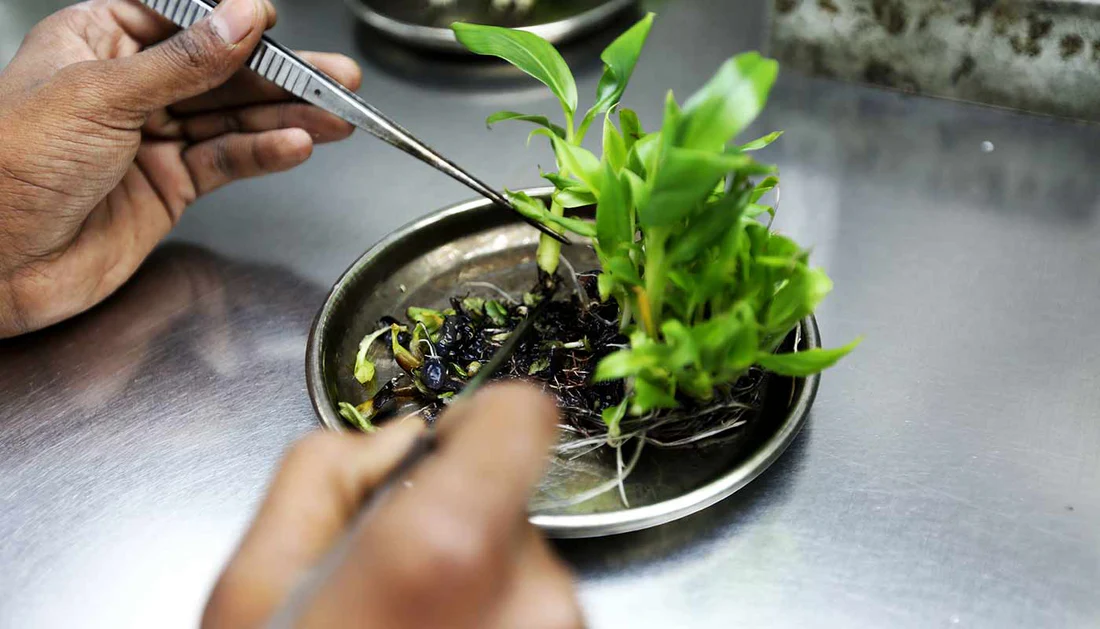
The demand for high-quality planting material has grown rapidly as commercial agriculture expands across global markets. Growers, nurseries, and large-scale plantation owners are constantly comparing propagation techniques to find the most efficient and reliable method for producing healthy crops. Two of the most widely used approaches are tissue culture propagation and traditional propagation methods.
In modern horticulture, sourcing reliable planting material is critical for ensuring consistent yield and plant health. In this context, Wholesale Tissue Culture Plants have gained significant attention among bulk buyers due to their uniform quality and disease-free characteristics, making them a preferred option for many commercial growers. However, traditional propagation methods still remain relevant in certain farming and nursery applications, especially where cost and simplicity are key considerations.
What Are Tissue Culture Propagation Methods?
Tissue culture propagation, also known as micropropagation, is a laboratory-based technique used to produce genetically identical plants from small tissue samples. This method is carried out under sterile conditions using nutrient-rich media that supports rapid cell growth.
The process typically involves several stages, including:
- Selection of a healthy parent plant
- Extraction of plant tissue (explant)
- Sterile culturing in a controlled environment
- Multiplication of shoots and roots
- Acclimatization before field transfer
This technique allows for large-scale production of plants in a relatively short time while maintaining genetic consistency and high health standards.
What Are Traditional Propagation Methods?
Traditional propagation refers to conventional plant reproduction techniques such as seed sowing, cuttings, layering, and grafting. These methods have been used for centuries and remain widely practiced in agriculture and horticulture.
Unlike tissue culture, traditional methods rely on natural or semi-natural growth conditions. Seeds or plant parts are grown in soil or nursery beds, often exposed to environmental variations and potential pathogens.
Common traditional methods include:
- Seed propagation for crops like wheat, maize, and vegetables
- Stem cuttings used for plants such as roses and sugarcane
- Grafting in fruit trees like mango and apple
- Layering for plants such as jasmine and bougainvillea
While these methods are cost-effective and simple, they may result in variability in plant quality and longer production cycles.
Key Differences Between Tissue Culture and Traditional Propagation
Understanding the differences between these two methods is essential for making informed decisions in commercial farming.
1. Plant Uniformity
Tissue culture produces genetically identical plants, ensuring uniform growth and yield. Traditional methods often lead to variation due to genetic differences or environmental factors.
2. Disease Control
Tissue culture is conducted in sterile environments, significantly reducing the risk of pests and diseases. Traditional propagation is more exposed to soil-borne pathogens and environmental contamination.
3. Production Speed
Tissue culture allows rapid multiplication of plants throughout the year. Traditional methods depend on seasonal cycles and slower growth rates.
4. Cost and Accessibility
Traditional propagation is generally less expensive and easier to implement. Tissue culture requires specialized laboratories and technical expertise, increasing initial costs.
5. Scalability
Tissue culture is highly scalable and suitable for large commercial operations. Traditional methods may struggle to meet high-volume demand efficiently.
Advantages and Limitations of Each Method
Both propagation methods offer unique benefits and limitations depending on the application.
Tissue Culture Advantages
- Rapid mass production
- High genetic consistency
- Disease-free planting material
- Year-round production capability
Tissue Culture Limitations
- Higher initial investment
- Requires technical infrastructure
- Sensitive acclimatization process
Traditional Method Advantages
- Low production cost
- Simple techniques suitable for small growers
- Minimal technical requirements
Traditional Method Limitations
- Inconsistent plant quality
- Higher risk of disease transmission
- Slower multiplication rates
Which Method Is Better for Bulk Buyers?
For bulk buyers such as commercial farmers, exporters, and plantation companies, the choice depends on production goals, budget, and crop type. However, in most large-scale agricultural operations, tissue culture propagation is increasingly preferred due to its consistency, scalability, and disease-free output.
Traditional methods still play a role in local farming systems and niche applications where cost constraints are more important than uniformity or speed. However, for high-value crops and export-oriented agriculture, tissue culture offers a more reliable long-term solution.
Conclusion
Both tissue culture and traditional propagation methods have their place in modern agriculture, but they serve different needs. Tissue culture is ideal for large-scale, high-efficiency production, offering uniform and healthy plants suitable for commercial success. Traditional propagation remains valuable for smaller operations and crops where simplicity and low cost are priorities.
As global demand for sustainable and high-yield agriculture continues to rise, more growers are shifting toward advanced techniques like tissue culture to improve productivity and reduce risk. Understanding the strengths and limitations of each method allows farmers and bulk buyers to make smarter, more profitable decisions in plant production systems.