
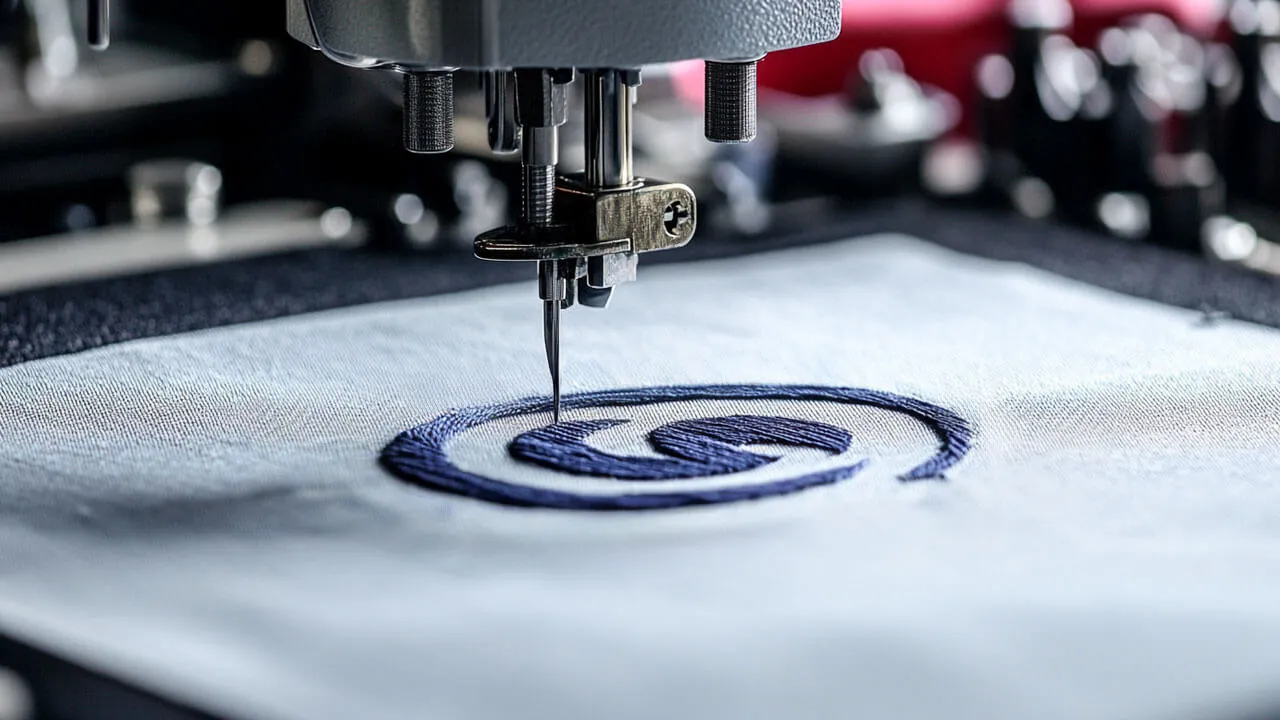
When it comes to choosing the right embroidered design for your team uniforms, staff tote bags, home decor and more, you need to think beyond just the fabric or garment colour. The type of custom text you decide on for embroidery will actually end up defining your entire look and reflecting your brand personality. It’s all in the details, from the font styles you choose to the embroidery techniques; every stitch, finish, and letter spacing can either make or break how your message is received. And when the details get it just right, your custom embroidery is just as memorable as your logo.
The thing is, there’s a huge variety of custom text options out there to suit any project. But with all the embroidery fonts and modern font styles out there, finding the perfect match shouldn’t be overwhelming. This guide covers the best embroidery fonts, including classic and modern sans-serif fonts, script fonts, bold block fonts, and vintage-inspired designs, all tailored to match your unique brand personality. And we’ll be looking at how embroidery machines, software, and techniques all contribute to the final look for t-shirts, dress shirts, bags, and more.
At Say it in Stitches, you’ll find a pretty broad choice of stock fonts and can also opt for custom lettering, including TrueType font conversions and embroidery-specific alphabets. We’ll even be happy to help you digitise your chosen font, so your project’s tone and personality really shine through every time.
Getting to Know the Basics: The Role of Embroidery Fonts
Your choice of embroidery font is what sets the tone for the whole project, and when paired with the right stitch count, size, and finish, you’ll end up with professional results that really reflect your brand’s values, whether you’re after timeless elegance or a modern edge. It’s the smaller details like bold fonts, brush script, and clean lines that don’t just impact how visually appealing your embroidery is, but also how your message actually translates across different fabrics and embroidered text.
Below are some of the most popular categories of fonts and their best uses in embroidery projects:
Script and Cursive Fonts, Elegance and a Personal Touch
If you want your embroidered text to look like handwriting, then script fonts, cursive fonts, or calligraphy fonts might be the way to go. These fonts bring a beautiful, flowing style, perfect for brands that want to give off a personal touch or a sense of creativity and sophistication.
- Who are they for? Creative businesses, event planners, and boutique retailers. Script or brush script fonts work really well for projects that want to add a bit of artistic flair; think monograms on spa robes or a welcoming message on textured fabric.
- Best for: Names, quotes, and signatures on aprons, pillow covers, and gift items. Their flowing curves and thin strokes create a visually appealing result for embroidery projects at home or in business.
- Things to keep in mind: Highly detailed script fonts might start to lose clarity on textured fabrics or at small sizes, especially if they’ve got lots of fine details. So always consider the font size and choose clearer or slightly bolder forms for machine embroidery to avoid thread breaks.
Block and Sans-Serif Fonts: Modern, Clean, and Bold
For a modern design that delivers great readability on everything from t-shirts to corporate wear, have a look at block fonts and sans-serif fonts. These versatile sans-serif fonts, like Century Gothic, Franklin Gothic, or Helvetica, offer balanced proportions, geometric forms, and smooth stitching, making them popular choices in embroidery design.
- Who are they for? Tech companies, construction firms, sports brands, or anyone looking for a direct, confident look. These are the best fonts for embroidery when clarity on various fabrics is a priority.
- Best for: Company names, website addresses, and bold statements on caps, jackets, or workwear where the text needs to be read from a distance.
- Things to consider: Choose modern fonts with straight lines and different weights to really make your design stand out from the crowd. And avoid unnecessary trims and opt for a block or sans-serif font that maintains clarity across different sizes and fabric types.
Serif Fonts: Traditional and Trustworthy
A serif font features small strokes (serifs) at the end of each letter, and these bring a sense of tradition and authority to your embroidery projects. Serif fonts, sometimes called ‘old-style,’ offer timeless elegance and a vintage-inspired design feel, perfect for established brands that want to project reliability.
- Who are they for? Financial institutions, law firms, schools, or brands with heritage. Serif fonts are great for anyone looking to evoke trust, history, or formal sophistication.
- Best for: University fleeces, legal firm shirts, or commemorative home decor embroidery. Larger font sizes and careful attention to stitch count are key, as small details might get lost at smaller scales.
- Things to consider: Use a serif font at a size where all the letters and decorative elements remain crisp and professional. Embroidery software can help you adjust letter spacing and weights for optimal results.
Taking it to the Next Level: Specialty Embroidery Techniques
Once you’ve found the perfect font for your brand, take your embroidered words to the next level with embroidery approaches that not only add some dimension but also make your design really stand out.
3D Puff Embroidery: Make a Bold Statement Already
3D Puff Embroidery is a seriously striking way to get some really textured and raised lettering or logos onto your garments. It’s ideal for those big, bold fonts and block lettering, perfect for brands that want to make a really bold statement or have an energetic vibe going on.
- Who’s it for? Sports teams, streetwear brands, or any business looking to stand out on hats, hoodies, or bags.
- Best for: Big, blocky letters or monogrammed initials with substantial height and width; think of it as big, bold words.
- Things to keep in mind: 3D puff is best for larger, simpler shapes using a blocky or bold font. Fine details or super-thin strokes might not give you the puffed effect you’re looking for.
Appliqué: A Classic, Layered Look
If your project fits a home décor or vintage vibe, Appliqué is where it’s at; it involves stitching fabric cut-outs right onto your base. Add some personality to your project by pairing up some textured fabrics with visually appealing, decorative fonts in loads of different styles.
- Who should use it? Perfect for schools, heritage brands, or anyone who wants some unique, custom designs for banners, sweatshirts, or blankets.
- Best for: Large, simple block or script fonts that let the fabric’s texture shine. Choose some ESA fonts, and lots of different fabric types to mix it up and get some really interesting textures and finishes.
- Things to consider: Like 3D puff, appliqué is all about big, bold, and legible lettering instead of small or thin fonts.
Choosing the Right Text for Your Brand
When it comes to choosing fonts for your embroidery projects, your brand’s values have got to come first, or you’ll never get anything that stands out. Start by coming up with 3 words that sum up your brand’s personality. Is your tone modern and super minimalist or warm and vintage? Are you aiming for some bold, geometric forms or flowing curves that add a bit of personality?
- Modern, Reliable, Professional: Go for some modern sans serif fonts like Franklin Gothic or Century Gothic in standard or bold weights. They’re perfect for company apparel, uniforms, and workwear.
- Approachable, Friendly, Creative: Try a script font, brush, or cursive font for tote bags, personal accessories, or gifts that need to look like handwriting and give off a softer vibe.
You can use both free embroidery fonts and premium options to get the look you want; just make sure they’re optimised for use with embroidery machines and compatible with your embroidery software. Test loads of fonts, font sizes, and stitch counts to get clarity and avoid all those annoying thread breaks and unnecessary trims. And don’t forget to think about the fabric texture; certain fonts look better on smooth surfaces, while others are made for textured fabrics or different sizes.
Ultimately, choosing the right font and embroidery style ensures your apparel and products are visually appealing, easy to read, and totally true to your brand’s story, no matter where they’re worn.
By playing around with loads of different styles, techniques, and embroidery designs, you can create some truly memorable and high-quality garments or products that really reflect your brand’s essence. With the help of a professional embroidery team, your project gets the benefit of loads of expertise in Machine Embroidery Fonts and the best font styles for your needs.