
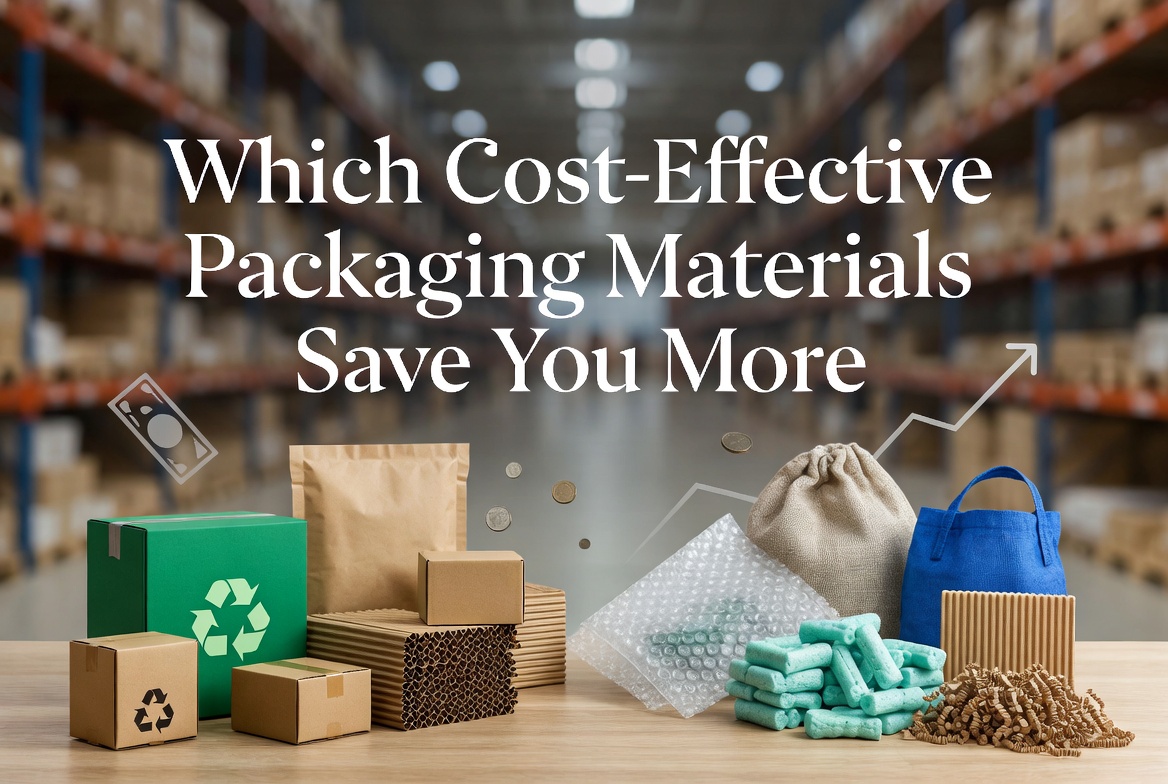
Every business wants to spend less on packaging, but nobody wants damaged products arriving at customers’ doorsteps. The good news is that you don’t always have to choose between saving money and protecting your goods. The real secret is choosing materials that match the product rather than using the same packaging for every shipment. A well-packed parcel uses only what it needs—nothing more, nothing less. That approach keeps costs under control, reduces waste and cuts down on costly returns. Whether you ship books, electronics or home décor, choosing the right protective packaging can make a noticeable difference to both your budget and customer satisfaction.
Why Does Cost-Effective Packaging Matter?
Think about two businesses sending the same ceramic mug. One fills an oversized box with excessive packing materials. The other chooses a well-sized box with the right amount of cushioning. Both parcels arrive safely, but one spends far less on packaging and shipping.
Small savings soon add up when you’re dispatching dozens or even hundreds of parcels every day. Smart packaging isn’t about buying the cheapest materials. It’s about choosing products that properly protect items without incurring unnecessary costs.
What Are the Cost-Effective Packaging Materials That Are Worth Considering?
Honeycomb Paper Wrap
Paper-based protection has become a favourite for businesses looking to reduce plastic without sacrificing product safety.
Honeycomb paper stretches around an item, creating a protective layer that absorbs light impacts. It works particularly well for candles, glass bottles and giftware.
Why many businesses choose it:
- Lightweight to handle.
- Easy to recycle.
- Flexible around different shapes.
- Ideal for delicate products.
Large Bubble Wrap
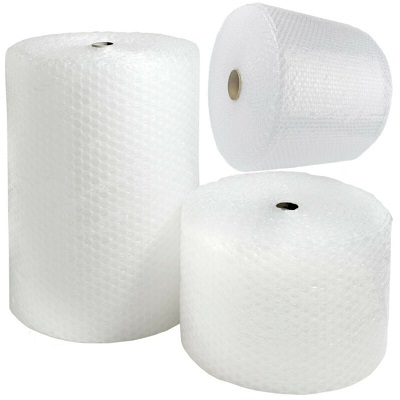
Some products need stronger cushioning. That’s where large bubble wrap earns its place.
The larger air pockets absorb heavier impacts, making this material suitable for bulkier products that travel longer distances. Many furniture retailers and homeware businesses rely on it for extra protection.
It works well for:
- Mirrors.
- Furniture parts.
- Large ornaments.
- Kitchen appliances.
Kraft Paper
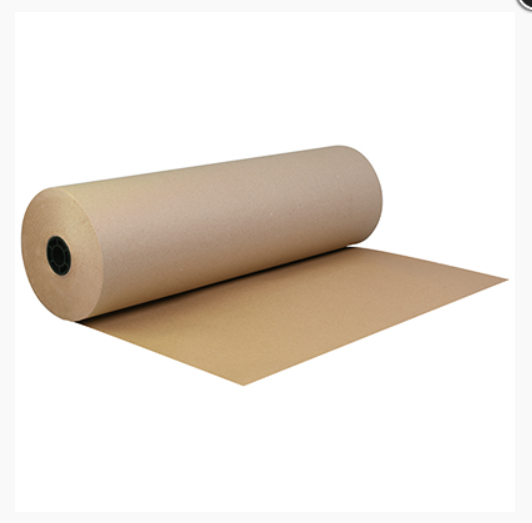
Sometimes the simplest materials deliver the best value.
Kraft paper can wrap products, fill small gaps inside boxes or separate multiple items packed together. It is inexpensive, practical and suitable for a wide variety of products.
Reasons businesses keep it in stock:
- Affordable.
- Easy to recycle.
- Quick to use.
- Reduces surface scratches.
Corrugated Paper Rolls
Not every shipment needs plastic cushioning. Corrugated paper rolls offer a reliable alternative for products that need light impact protection.
They wrap neatly around fragile items while helping prevent movement inside the parcel. They’re particularly useful for ceramics, glassware and decorative items.
Businesses often use them because they:
- Add light cushioning.
- Are easy to cut.
- Save storage space.
- Support recyclable packaging.
Double-Wall Cardboard Boxes
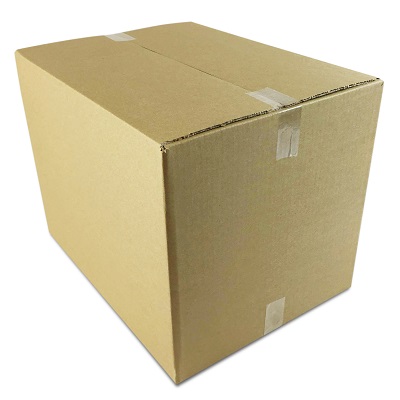
There are times when a single-wall box isn’t enough. Heavy products or multiple items packed together need stronger support throughout their journey.
That’s where double wall cardboard boxes prove their value. Although they cost a little more than standard cartons, they often save businesses money by reducing damaged deliveries and replacement costs.
They’re a sensible choice for:
- Heavy equipment.
- Glass bottles.
- Automotive parts.
- Bulk shipments.
Paper Void Fill
Space inside a parcel is never a good sign. If products can move, they can also get damaged.
Paper void fill keeps everything firmly in place without adding unnecessary weight. It works well alongside other protective materials and is easy for customers to recycle after unpacking.
You’ll often see it used for:
- Gift boxes.
- Home décor.
- Cosmetics.
- Mixed product orders.
Foam Sheets
Some products don’t need thick cushioning. They need protection from scratches.
Foam sheets are commonly wrapped around polished, painted or delicate surfaces before they’re placed inside a shipping box. It’s a small step that helps products arrive looking exactly as they left the warehouse.
Best suited for:
- Electronics.
- Mirrors.
- Photo frames.
- Gloss-finished products.
Packing Tape
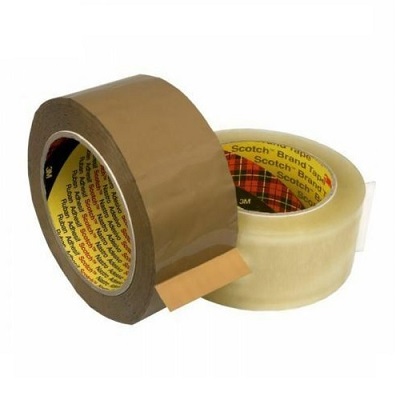
A parcel is only as secure as the tape holding it together.
Strong packing tape keeps cartons sealed during handling, stacking and transport. Choosing reliable tape reduces the risk of parcels opening before they reach the customer, especially when shipping heavier items.
Why it’s worth investing in:
- Secure box closure.
- Quick application.
- Reliable adhesion.
- Suitable for everyday dispatch.
Which Material Gives the Best Value?
The best choice depends on what you’re sending. Instead of using one material for every order, match the protection to the product.
| Product | Recommended Packaging |
| Glassware | Large bubble wrap + paper void fill |
| Books | Kraft paper + corrugated paper |
| Electronics | Foam sheets + paper void fill |
| Furniture parts | Double wall cardboard boxes |
| Candles | Honeycomb paper |
| Mixed gift items | Corrugated paper + kraft paper |
Small Savings Add Up Over Time
Many businesses focus only on the price of packaging materials. In reality, the cost of replacing damaged products is usually much higher.
Using the right amount of protective packaging helps reduce breakages, unnecessary returns and customer complaints. It also reduces waste because you’re no longer overpacking every parcel “just in case.”
A simple review of your packing process can often reveal easy ways to save money without affecting product safety.
Conclusion
Cost-effective packaging isn’t about buying the cheapest materials available. It’s about making smarter decisions for every shipment. Honeycomb paper, kraft paper, foam sheets, paper void fill, and double-wall cardboard boxes all have different strengths, and each works best in the right situation. When you match the packaging to the product, parcels travel more safely, customers receive their orders in better condition, and your business avoids unnecessary costs. In the long run, thoughtful packing is one of the easiest ways to improve efficiency while protecting both your products and your budget.
FAQs
1. Which packaging material is the most cost-effective for shipping?
The best choice depends on your product. Kraft paper, honeycomb paper and large bubble wrap offer excellent value while providing reliable protection.
2. Are double wall cardboard boxes worth the extra cost?
Yes. They provide added strength for heavier or fragile products and can help reduce damage-related replacement costs.
3. How do I choose the right protective packaging for my products?
Consider the product’s size, weight and fragility. Delicate items usually need cushioning, while heavier goods benefit from stronger outer packaging and secure void fill.
4. Can cost-effective packaging still protect fragile items?
Absolutely. Using the right combination of cushioning and a correctly sized box can protect fragile products without increasing packaging costs.
5. Which packaging materials are easy to recycle?
Paper-based materials such as kraft paper, honeycomb paper and paper void fill are widely recyclable and are popular choices for businesses looking to reduce waste.