
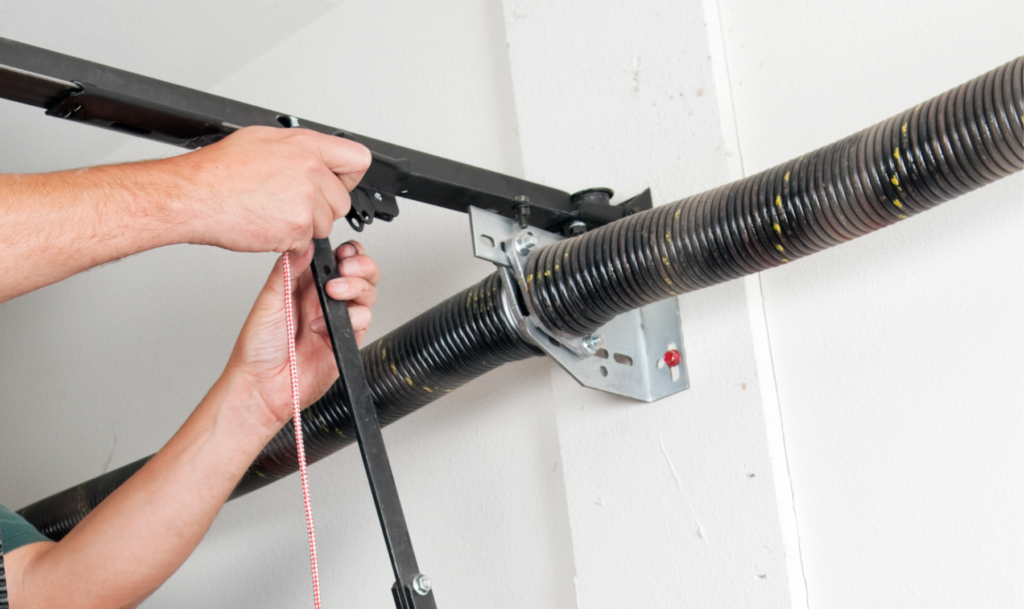
A garage door is one of the most frequently used entry points to a home, yet it’s often overlooked until something goes wrong. One of the most common—and potentially dangerous—issues is a broken garage door spring. These springs are crucial for the door’s operation, bearing the immense weight of the door every time it opens and closes. Understanding when it’s time for a garage door spring replacement is essential for the safety and functionality of your home.
This article will explore the critical signs that indicate your garage door springs need attention. We’ll cover the different types of springs, the typical lifespan you can expect, and why calling a professional like BOS garage doors repair is the safest and most reliable option. Knowing what to look for can prevent a minor inconvenience from turning into a major emergency.
Understanding Garage Door Springs
Before diving into the signs of wear and tear, it helps to understand what garage door springs do and the different types you might have. Your garage door can weigh hundreds of pounds, and the springs are what do the heavy lifting. They are under immense tension, which allows you to open and close the door with ease, either manually or with an automatic opener.
There are two primary types of garage door springs:
Torsion Springs
Torsion springs are typically mounted horizontally on a metal bar above the garage door opening. When the door closes, cables attached to the bottom corners of the door wind the springs, creating tension. As the door opens, the springs unwind, releasing that stored energy to lift the door. Most modern or heavier doors use a torsion spring system, often consisting of one or two springs. They are known for being more durable and providing a more balanced lift.
Extension Springs
Extension springs are located on either side of the door, running parallel to the horizontal tracks. These springs stretch and contract to lift and lower the door. As the door goes down, the extension springs stretch, storing energy. When the door opens, they contract, pulling the door up. You can often see these springs exposed along the sides of the tracks, and they usually have safety cables running through them to prevent them from flying across the garage if they break.
Signs You Need a Garage Door Spring Replacement
Garage door springs don’t last forever. Their lifespan is measured in cycles, with one cycle being a full opening and closing of the door. Standard springs are typically rated for about 10,000 cycles. If you use your garage door four times a day, that’s roughly seven years of use. Here are the key indicators that your springs may be nearing the end of their life or have already failed.
1. You Hear a Loud Bang
One of the most unmistakable signs of a broken spring is a loud, sudden noise from your garage. When a spring breaks, the immense tension is released all at once, creating a sound similar to a firecracker or a gunshot. If you hear this, it’s almost certain that a spring has snapped. You will likely find that your garage door will not open afterward.
2. The Garage Door Won’t Open
If your garage door opener is running but the door isn’t moving or only lifts a few inches before stopping, a broken spring is the most likely culprit. Without the springs to counteract the door’s weight, the opener motor isn’t powerful enough to lift it. Attempting to force the door open with the opener can burn out the motor, leading to an even more expensive repair.
3. The Door Feels Extremely Heavy
If you disengage the automatic opener and try to lift the door manually, it should be relatively easy to do—usually manageable with one hand. If the door feels incredibly heavy and difficult to lift, your springs are no longer providing the necessary support. They may be worn out and have lost their tension, or one may be broken.
4. There’s a Visible Gap in the Spring
A quick visual inspection can often confirm a broken spring. For torsion springs, you’ll see a noticeable gap, usually about two inches wide, in the middle of the spring coil. It will look like the spring has been split into two pieces. For extension springs, you might find one hanging down or stretched out of shape.
5. The Door Closes Too Quickly
A garage door should lower in a controlled, steady manner. If you notice the door slamming down much faster than usual, it’s a sign that the springs are weak and can’t bear the door’s weight effectively on the way down. This is not only a symptom of a failing system but also a serious safety hazard.
6. The Cables Are Loose or Broken
The springs work in tandem with a system of cables and pulleys. If a spring breaks, the tension on the cables is lost, causing them to appear loose, tangled, or even to snap. If you see slack in the cables, it’s a clear signal that the spring system has failed.
Why Professional Repair is Crucial
When you suspect an issue with your garage door springs, your first instinct might be to look up a DIY tutorial. However, garage door spring replacement is one of the most dangerous home repairs a person can attempt without proper training and tools. The springs are under extreme tension, and mishandling them can lead to severe injury or damage to your property.
A professional technician from a trusted company like BOS garage doors repair has the expertise, specialized tools, and safety protocols to handle the job correctly. They can:
- Accurately diagnose the problem.
- Install the correct type and size of springs for your specific door’s weight and height.
- Ensure the system is properly balanced and calibrated for smooth, safe operation.
- Inspect the entire garage door system for other potential issues.
Attempting to save a few dollars with a DIY repair isn’t worth the risk to your safety.
Maintaining Your New Springs
Once you’ve had your springs replaced, a little maintenance can help prolong their life. Periodically lubricating the springs with a silicone-based spray can reduce friction and prevent rust. Also, listen for any unusual noises and perform a balance test every few months. To do this, disconnect the opener and lift the door halfway. A well-balanced door should stay in place. If it drops or rises, the springs may need adjusting.
Your Partner in Garage Door Safety
Garage door spring replacement is one of the most critical maintenance tasks for keeping your garage door safe, balanced, and fully operational. The springs bear the weight of the entire door, and over time, constant tension and use can lead to wear or sudden breakage. Recognizing early signs—like uneven movement, loud noises, or difficulty opening—helps prevent costly emergencies and safety risks. By reaching out to trained professionals, you ensure precise, secure repairs that restore your system’s performance. For homeowners seeking dependable expertise and lasting results, BOS garage doors repair provides the trusted service needed to keep your garage door operating smoothly and safely.