

Carpet installation seems straightforward: pick a color, measure your space, book a service, and you’re done.
But that’s rarely how it goes. If you’ve ever had new carpet installed, you probably already know that the process involves far more than what shows up.. Behind the showroom samples is a mix of structural prep, timing strategy, material, and long-term impact decisions that too many homeowners (and even some professionals) overlook.
Let’s dig into the less-discussed realities of carpet installation: the things that truly determine whether your flooring will last 10 years… or just 10 months.
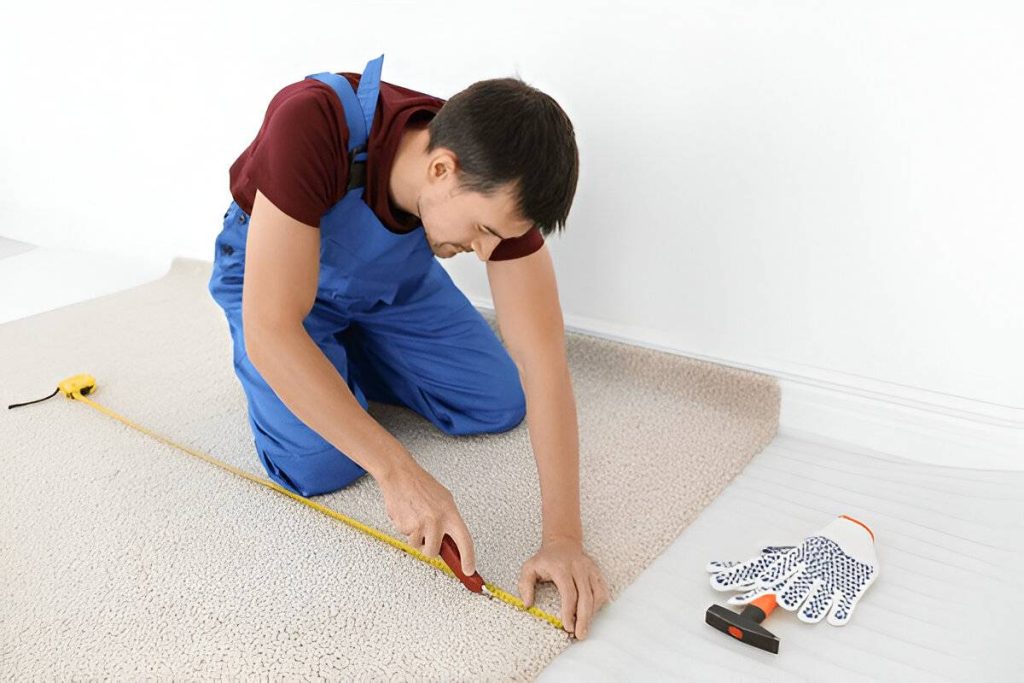
The Subfloor Is the Deal breaker
Ask most people about their carpet choices and they’ll talk about piles, patterns, or plushness. Rarely does anyone mention the subfloor, but that’s where the real story begins.
A carpet is only as good as the surface beneath it. If your subfloor is uneven, damp, or unstable, no carpet, no matter how high-end, will sit right. You’ll get lumps. You’ll feel dips underfoot. You might even accelerate mold growth.
Professionals worth their salt never install until they’ve inspected, cleaned, and leveled the subfloor. And in older homes, they’ll often recommend sealing or replacing parts of it. It’s not upselling but it’s insurance.
The Stretch Matters More Than the Staple
The carpet isn’t just rolled out and tacked down. It’s stretched and if it’s not stretched tight and evenly, it will ripple, wrinkle, and wear out faster than it should.
In poorly done jobs, you’ll notice the edges pulling back within weeks. Or you’ll see bubbles forming in the middle of the room. Why? Because stretching carpet requires both technique and patience and not every installer is willing to redo an imperfect pull.
Good installers use power stretchers. Not just knee kickers. If you don’t see them bringing that gear in, ask questions.
Carpet Thickness Is a Trap
It’s easy to assume that thicker carpet equals better quality. That’s not always true. Thicker doesn’t mean more durable. It just means more fiber volume. In fact, some of the thickest carpets are prone to crushing and matting in high-traffic areas.
What you really want to look at is fiber density and twist level, how tightly packed and twisted the fibers are. Those indicators tell you how the carpet will hold up to foot traffic, furniture, and time.
So if you’re choosing based on feeling alone, you may be setting yourself up for disappointment.
Padding Isn’t Just for Comfort, It’s for Longevity
Skipping on underlay to save money is one of the worst decisions you can make during carpet installation. The carpet pad (or cushion) absorbs shock, protects fibers, and reduces wear, especially in areas with furniture or foot traffic.
But here’s what most don’t mention: not all pads work with all carpets.
Rubber pads might be perfect under Berber-style loops, but disastrous under soft saxonies. Some pads trap moisture. Others muffle sounds. The pad choice should be driven by how the room is used, not just what feels soft.
Treat the pad as a structural layer, not a comfort bonus.
Seams Are Inevitable, But They Don’t Have to Be Ugly
Most carpet rolls are 12 feet wide. So if your room is wider than that, seams are going to happen. The key isn’t avoiding seams, it’s placing and sealing them strategically.
Seams should never run across traffic flow. They should never land where sunlight hits directly. And they absolutely should not be visible from standing height. If you can see or feel them easily, something went wrong.
Expert installers plan seam placement during measurement, not during installation. That’s a crucial difference.
Timing Affects Everything
Carpet installation is often booked as a single-day task. But the timing of installation, when it happens and what happens afterward influences how the carpet settles and performs. Here’s what thoughtful homeowners and designers do differently:
- Schedule installation after painting and drywall, but before heavy furniture arrives.
- Let the carpet acclimate to room temperature and humidity for at least 24 hours.
- Avoid walking or placing items on the carpet for at least 6–12 hours, depending on adhesive and stretching methods.
Skipping these steps might not ruin the install, but it will shorten the carpet’s life.
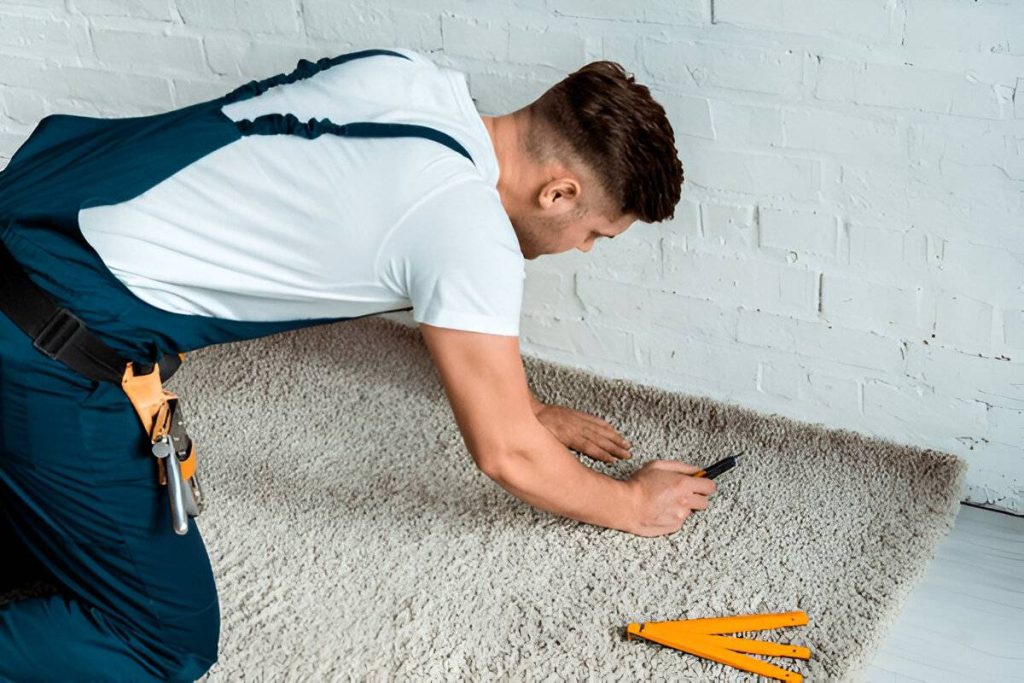
The Cost of a Cheap Job Shows Up Later
It’s tempting to chase a lower bid, especially when two quotes are hundreds of dollars apart. But cheap carpet installation often cuts corners in ways you won’t notice immediately, until seams fray, wrinkles form, or the backing begins to separate from the pad.
The true cost of carpet is not in the material but it’s in the craftsmanship of the installation.
Skilled installers take time to prep, measure, stretch, and finish properly. That might mean paying a bit more upfront, but what you’re really buying is durability, peace of mind, and fewer replacements in the next 5 years.
Conclusion:
Most carpet installation reduces it to surface-level decisions: what looks good, what feels soft, and what costs less. But great flooring like great design lives in the details no one sees. Beneath the pile, under the stretch, between the seams. That’s where the real value lies.
Frequently Asked Questions
Can I install new carpet over old carpet or padding?
No. It compromises the integrity of the new carpet, affects stretch tension, and can trap moisture or odors.
How long should the carpet last after proper installation?
With quality carpet and correct installation, you can expect 8–15 years, depending on use and material.
Does humidity affect carpet installation?
Yes. The carpet expands and contracts with humidity. Installers should let it acclimate for at least 24 hours to room conditions before stretching and securing.
Is DIY carpet installation a good idea?
Unless you have access to power stretchers, seam irons, and professional-grade tools, it’s difficult to get a lasting result. Most DIY jobs end up with loose edges or visible seams.
What’s the best way to prepare a room before carpet installation?
Clear all furniture, remove old flooring if necessary, and vacuum the subfloor. Also, check for squeaks, now’s the best time to fix them.
Visit For more Articles : Time Business News