

There’s something magical about dimming the lights, pressing play, and being transported into another world from the comfort of your own home. A great home theater experience isn’t just about the screen size or surround sound—it’s about how you feel while you’re watching. And that feeling starts with where you sit. For movie enthusiasts who spend hours immersed in films, binge-worthy series, or intense gaming sessions, seating comfort isn’t a luxury; it’s essential. So what exactly makes classic leather media room seating the gold standard for home cinema comfort? The answer lies in a carefully orchestrated combination of premium materials, thoughtful construction, and timeless design. From the supple touch of top-grain leather against your skin to the engineered support systems hidden beneath the surface, every element serves a purpose. These seats aren’t just furniture—they’re built to cradle you through double features and marathon viewing nights without fatigue. They also need to look the part, blending seamlessly into a home theater’s aesthetic so the entire room feels cohesive and inviting. In the sections ahead, we’ll break down each of these comfort-defining factors to help you understand what separates truly exceptional media room seating from the ordinary.
The Anatomy of Comfort in Classic Leather Seating
Comfort in classic leather media room seating isn’t accidental—it’s the result of three carefully balanced elements working together: the upholstery material, the padding beneath it, and the overall shape of the seat itself. When these components are engineered in harmony, the result is a chair that feels as good in hour three as it did in minute one. Understanding what goes into each layer helps explain why some seats deliver genuine, lasting relaxation while others leave you shifting and fidgeting before the opening credits finish rolling.

Premium Leather: More Than Just Aesthetics
Top-grain leather is the material of choice for classic media room seating, and for good reason. Unlike bonded leather or synthetic alternatives, top-grain hides are sanded and refined to remove imperfections while preserving the natural grain’s character. This treatment creates a surface that’s incredibly soft to the touch yet remarkably resilient against wear. Over time, top-grain leather develops a rich patina—a subtle sheen that actually makes the material more supple and visually appealing with age rather than less. Breathability is another critical advantage. Natural leather allows air to circulate through its fibers, which means it adapts to your body temperature rather than trapping heat. During a long viewing session, this prevents the sticky, uncomfortable feeling that vinyl or faux leather often produces. The tanning and finishing processes also play a role; aniline-dyed leathers retain a natural feel, while semi-aniline options add a thin protective coating for easier maintenance without sacrificing that buttery softness against bare skin.
Ergonomic Design for Uninterrupted Viewing
A beautiful leather surface means little if the seat underneath it doesn’t support your body correctly. That’s where ergonomic design principles come in. Classic media room chairs are typically built with a seat depth between 20 and 22 inches, providing enough room to sit back fully so your thighs are supported without pressure behind the knees. The backrest angle is gently reclined—usually between 110 and 120 degrees—which reduces spinal compression and allows your muscles to relax naturally. Armrests are positioned at a height that lets your shoulders drop rather than hunch, preventing tension from building in your neck and upper back. High-resilience foam padding is contoured to follow the body’s natural curves, cradling the lumbar region and distributing weight evenly across the seating surface. This contouring prevents the pressure points that cause numbness and restlessness during extended use. Together, these ergonomic details create a seated posture that feels effortless, letting you stay focused on the screen instead of your discomfort.
Supportive Construction: The Backbone of Enduring Comfort
What you see on the surface of classic leather media room seating tells only part of the story. Beneath that supple leather and contoured foam lies an internal framework that determines whether your chair will feel just as supportive five years from now as it does on day one. The construction hidden inside these seats is engineered to resist the gradual breakdown that turns promising furniture into saggy, creaky disappointments. When you’re investing in seating meant for hours of regular use, the skeleton beneath the skin matters enormously.
Frame Integrity and Durability
The foundation of any lasting media room seat is its frame, and the best classic leather chairs rely on kiln-dried hardwood—typically maple, birch, or beech—for their structural skeleton. Kiln drying removes moisture from the wood in a controlled environment, which prevents warping, cracking, and joint loosening over time. This is a critical distinction from air-dried or softwood alternatives that may feel sturdy initially but degrade under repeated stress. Joints in premium frames are reinforced with corner blocks and secured using a combination of dowels, screws, and industrial-grade adhesive rather than staples alone. This multi-point fastening approach distributes mechanical stress across the entire frame rather than concentrating it at single connection points. The result is a seat that doesn’t wobble, squeak, or shift when you recline, lean, or stand up—small details that quietly erode the viewing experience when they go wrong. A well-built frame also serves as the anchor for every other comfort component; springs and foam can only perform as well as the structure supporting them.
Cushioning Technology for Pressure Relief
Sitting for two or three hours straight demands more than a single slab of foam. Classic leather media room seats use a layered cushioning system that begins with a suspension base—either sinuous (S-shaped) steel springs or individually pocketed coils. Sinuous springs run front to back across the seat deck, flexing independently to absorb your weight and movement without creating a hammock effect. Pocketed coils, borrowed from mattress technology, go a step further by wrapping each coil in its own fabric pocket, allowing them to respond individually to different pressure zones across your body. Above this suspension layer sits high-density polyurethane foam, typically rated between 1.8 and 2.5 pounds per cubic foot. This density range strikes the ideal balance between firm support and comfortable give—dense enough to resist bottoming out over thousands of uses, yet soft enough that you don’t feel like you’re perched on a board. Many manufacturers add a top layer of memory foam or gel-infused foam that conforms closely to your body’s contours, cradling hips and thighs while eliminating the concentrated pressure points responsible for numbness during long sessions. This multi-layer approach ensures that weight is distributed evenly, circulation isn’t restricted, and the seat rebounds to its original shape between uses rather than developing permanent indentations.
Design Elegance: How Refined Appearance Enhances Experience
Comfort isn’t purely physical—it’s also psychological. The way a room looks and feels when you walk in shapes your mental state before you ever sit down. Classic leather media room seating contributes to this phenomenon through its refined visual presence, creating an environment that signals relaxation and indulgence the moment you enter. Clean, tailored lines communicate quality and intentionality, while rich leather tones—from deep espresso and cognac to midnight black—establish a mood of sophistication that elevates the entire viewing ritual. The tactile luxury of leather combined with precise stitching, smooth curves, and polished accents like brushed metal or dark wood trim creates a sensory experience that extends beyond the seat itself. When your surroundings feel cohesive and intentional, your mind relaxes more readily, allowing you to sink deeper into both the chair and the story unfolding on screen.
Aesthetic Harmony in Home Theater Spaces
Classic leather seating possesses a versatility that few other upholstery choices can match when it comes to integrating with diverse home theater themes. In a contemporary space with clean geometric lines and neutral walls, a row of dark charcoal leather seats with minimalist profiles reinforces the modern aesthetic without competing with the screen for attention. For theaters inspired by vintage cinema—think art deco sconces, velvet curtains, and warm amber lighting—rich burgundy or caramel leather with button-tufted details and rolled arms echoes that golden-era glamour. The natural texture of leather also plays well against other materials commonly found in dedicated theater rooms: acoustic panels wrapped in fabric, carpeted risers, and wood-paneled walls all benefit from leather’s visual weight and warmth. Color coordination matters here too. Rather than matching everything identically, the most inviting theaters use leather seating as an anchor tone, then layer complementary shades through throw pillows, wall treatments, and ambient lighting. This approach creates depth and visual interest while maintaining the unified atmosphere that makes a home theater feel like a purposeful retreat rather than a room with a big television in it.
Integrating Seating into Your Home Theater Design
Choosing the right classic leather media room seating is only half the equation—placing it correctly within your space determines whether the room actually delivers on its promise. A beautifully crafted chair loses much of its impact if it’s crammed too close to the screen, angled awkwardly, or blocking a speaker. Thoughtful integration means treating your seating as one interconnected piece of a larger system that includes your display, audio equipment, lighting, and room architecture. When every element works together, the result is a theater that feels effortless to use and genuinely comfortable from every seat in the house.
Step-by-Step Layout Planning
Start by measuring your room’s dimensions and marking the screen wall. From there, determine optimal viewing distance—generally 1.5 to 2.5 times the diagonal screen size—and place your front row accordingly. Leave at least 36 inches of clearance behind each row for walkways and reclining clearance, since classic leather seats with power recline mechanisms need room to extend fully without hitting a back wall or a second row. Next, plan your seating configuration. A single straight row works well in narrow rooms, while wider spaces benefit from curved arrangements that angle each seat slightly toward the screen center, ensuring no one watches at an uncomfortable angle. If you’re building a two-row setup, elevate the back row on a riser—typically 10 to 12 inches high—so rear viewers have an unobstructed sightline over the heads of those in front. Before finalizing placement, sit in each planned position and confirm that the full screen is visible without turning your head, and that the center channel speaker aligns with ear height from the seated position.
Matching Seating to Technology and Theme
Your seating should accommodate your technology rather than compete with it. If your system includes floor-standing speakers or subwoofers along the side walls, verify that seat placement doesn’t block or muffle sound paths. Many classic leather theater chairs offer built-in conveniences like lighted cup holders, USB charging ports, and storage consoles between seats—choose these features based on how you actually use the room rather than simply checking boxes. For someone who hosts movie nights frequently, shared armrest consoles with integrated storage keep remotes and snacks within reach without cluttering the space. Thematically, let your room’s personality guide the details. A sleek, modern theater pairs naturally with straight-arm leather seating in dark, uniform tones, while a warmer traditional space might call for seats with nailhead trim and wider, padded armrests. Pay attention to how your seating’s finish interacts with room lighting—matte leather absorbs ambient light and reduces glare on the screen, whereas glossier finishes can create distracting reflections. Coordinating your seats with ceiling treatments, wall sconces, and carpet tones ties the room together so that every visual element reinforces the same atmosphere, making the space feel designed rather than assembled.
Spotlight on the Comfiroom Classic Series: A Case Study in Comfort
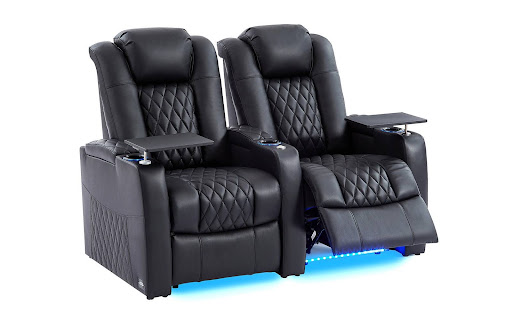
The Comfiroom Classic Series exemplifies how premium materials, supportive construction, and refined design converge to create an exceptional viewing experience. Built on kiln-dried hardwood frames with reinforced joinery, these seats pair high-density layered foam cushioning with top-grain leather upholstery that breathes naturally and softens beautifully over time. The ergonomic profile supports proper posture through extended sessions, while the tailored silhouette—available in rich, theater-friendly tones—integrates seamlessly into both modern and traditional home cinema environments. For movie enthusiasts seeking seating that delivers lasting physical comfort without compromising visual elegance, this series represents a practical, well-rounded solution designed specifically for the demands of dedicated media rooms.
Why Premium Materials and Design Define the Ultimate Viewing Experience
The comfort that classic leather media room seating delivers isn’t the product of any single feature—it emerges from the deliberate convergence of premium materials, robust construction, and thoughtful design working as one unified system. Top-grain leather provides a surface that breathes, adapts, and improves with age, while ergonomic shaping and layered cushioning systems keep your body properly supported through even the longest viewing marathons. Beneath it all, kiln-dried hardwood frames and precision-engineered suspension ensure that this comfort doesn’t fade after a few months of use but endures for years of regular enjoyment. The visual refinement of classic leather seating also plays a role that shouldn’t be underestimated—when your theater space looks intentional and inviting, your mind settles into relaxation more quickly and completely. As you evaluate options for your own home cinema, prioritize these foundational elements over flashy extras. Look for quality leather, proven construction methods, ergonomic proportions, and a design language that complements your space. When these pieces align, every movie night becomes something genuinely special—an experience where comfort is so complete that you forget about the chair entirely and lose yourself in the story.
