
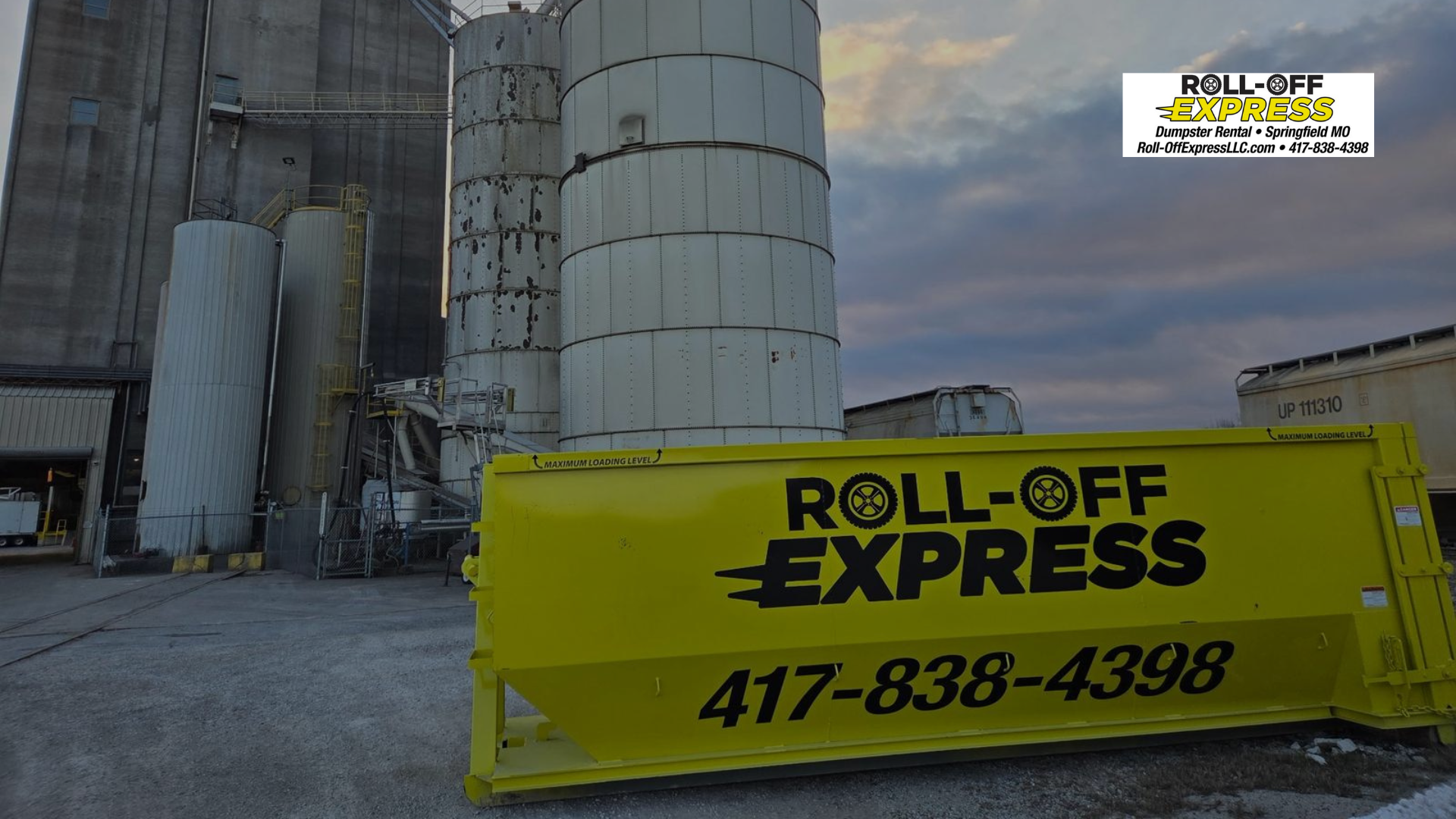
Most junk removal companies set a minimum charge between $100 and $175. That buys one small load, roughly a quarter of a truck bed, with labor and disposal folded in. The floor applies even when a single item is hauled. Above it, pricing shifts to volume. Where that floor stops making sense is the point where dumpster rentals Springfield projects rely on start costing less per cubic yard.
How Minimum Charges Are Built
A minimum charge exists because the cost of showing up does not scale down. Truck, fuel, two workers, and a landfill trip cost roughly the same whether the load is one chair or ten.
Three fixed costs sit underneath every quote:
- Dispatch and drive time to the property and back.
- Labor for two crew members, usually billed in half-hour blocks.
- Disposal fees at the transfer station or landfill, charged by weight.
Those three add up before anything is lifted. The minimum is simply the point where a company breaks even on the visit. Anything below it loses money, so it is not offered.
What the Minimum Actually Covers
The floor price buys a specific and fairly small amount of space. Companies describe it in truck fractions rather than cubic yards, which makes comparison harder than it should be.
A typical minimum load includes:
- One to three large items, such as a sofa, mattress, or recliner.
- Roughly 2 to 3 cubic yards of loose material.
- Curbside or first-floor pickup with clear access.
- Standard household material with no special handling.
Stairs, long carries, and tight access usually push the quote above the minimum even when the volume does not. Crews price for effort as much as for space.
Where the Surcharges Come From
Certain materials cannot enter a standard landfill, and that restriction drives most of the add-on fees people find surprising.
Missouri law keeps several common household items out of sanitary landfills. Items banned from landfill disposal include major appliances such as refrigerators, freezers, washers, dryers, stoves, ovens, dishwashers, trash compactors, and water heaters. Whole tires, waste oil, and lead-acid batteries are also excluded.
Each of those requires a separate destination, which means a separate trip and a separate fee. A few practical notes follow from the rules:
- Microwaves were removed from the major appliance list in 2002 and can go to a sanitary landfill.
- Tire retailers are required to take back the tires being replaced, usually for a handling fee.
- Battery retailers must accept a used lead-acid battery when a new one is purchased.
- Oil filters drained upside down for at least 24 hours are no longer prohibited.
Handling those items independently before booking a haul often removes the surcharge entirely.
The Break-Even Point
Per-load hauling and container rental cross over at a predictable volume. Below that line, hauling wins on price. Above it, the container does.
Hauling companies price in truck fractions. A quarter load runs near the minimum. A half load lands in the $300 to $450 range. A full truck, usually 12 to 16 cubic yards, commonly reaches $550 to $800.
A container covering 15 to 20 cubic yards typically sits between $300 and $500 for a multi-day rental. That comparison produces a workable rule:
- Under 3 cubic yards: hauling is almost always cheaper.
- Between 3 and 8 cubic yards: the two run close, and access decides it.
- Above 8 cubic yards: a container usually costs less per yard.
- Multi-day or phased projects: a container wins on flexibility alone.
Labor is the variable that shifts the math. Hauling includes it. Rental does not. Anyone unable or unwilling to load will find the crossover point sits higher.
Which Model Fits Which Job
Neither option is better in the abstract. They solve different problems, and the right pick usually follows from the shape of the work rather than the size of the pile.
Junk removal fits well when:
- The item count is small and the items are heavy or awkward.
- No one is available to load.
- The work finishes in a single visit.
- Driveway or street space is limited.
A rented container fits well when:
- Debris accumulates over several days.
- Demolition or remodeling generates material in stages.
- Loading can happen gradually rather than all at once.
- The volume clearly exceeds a single truck.
Comparing published rates for dumpster rentals against a hauling quote for the same pile is the fastest way to see which side of the line a project falls on. Seasonal cleanout planning, covered in more depth in this look at winter home cleanouts, often shifts the answer toward the container model because the work spreads across weekends.
Frequently Asked Questions
Several questions come up once people start comparing quotes. Direct answers follow.
Is the minimum charge negotiable?
Rarely on price, but sometimes on scope. Adding a few extra items to a minimum load costs nothing if the truck has room and the crew is already on site.
Do quotes include disposal fees?
Reputable haulers include standard disposal in the quote. Banned items, electronics, and hazardous material are usually itemized separately.
Does a single item still trigger the full minimum?
Yes. One mattress or one treadmill still requires a truck, a crew, and a disposal trip.
Can the minimum be avoided by bundling with a neighbor?
Sometimes. Two adjacent properties served in one stop occasionally qualify for a single minimum, though policies vary by company.
What raises a quote above the estimate?
Stairs, distance from the truck, disassembly needs, and undisclosed heavy material are the four most common reasons.
Matching the Method to the Pile
The minimum charge is a floor, not a price. It reflects fixed costs that exist regardless of load size, which is why it holds steady across the industry.
For small, awkward, single-visit jobs, paying that floor is reasonable and often the better value once labor is counted. For anything that fills more than a third of a truck or unfolds over several days, running the numbers against container pricing tends to favor the container. Sizes, capacities, and rate structures are listed at Roll-Off Express for anyone who wants to make that comparison directly.
