
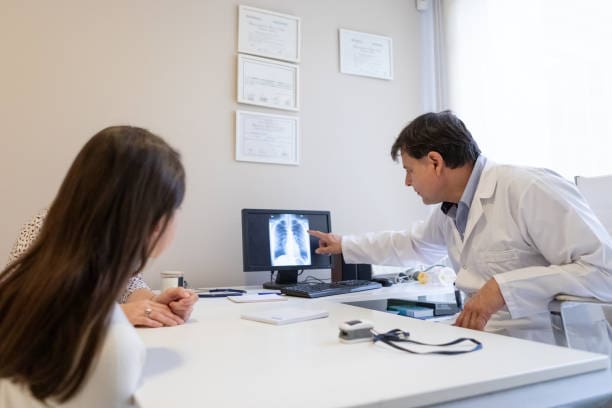
Breathing is one of the most fundamental processes of life, yet most of us take it for granted—until something goes wrong. When breathing becomes difficult or chronic respiratory problems arise, a pulmonologist becomes an essential part of your healthcare team. These medical professionals specialize in diagnosing, treating, and managing diseases that affect the lungs and the entire respiratory system.
From asthma and pneumonia to chronic obstructive pulmonary disease (COPD) and lung cancer, pulmonologists play a vital role in keeping our lungs healthy and ensuring we can breathe easier.
1. Who Is a Pulmonologist?
A pulmonologist (also known as a pulmonary disease specialist) is a medical doctor who focuses on the respiratory system, which includes the lungs, airways, and respiratory muscles. The word “pulmonology” comes from the Latin word pulmo, meaning lung.
These specialists are trained to deal with a wide range of breathing disorders, from mild conditions like seasonal asthma to severe diseases such as pulmonary fibrosis and emphysema. Pulmonologists have extensive training in internal medicine, followed by additional fellowship training in pulmonary medicine, often combined with critical care medicine.
In short, if you have persistent breathing problems or a lung-related disease that your primary care doctor cannot manage, a pulmonologist is the expert you’ll be referred to.
2. What Conditions Do Pulmonologists Treat?
Pulmonologists diagnose and manage a variety of lung and respiratory conditions, including:
- Asthma – A chronic condition where airways become inflamed and narrow, making breathing difficult.
- Chronic Obstructive Pulmonary Disease (COPD) – A progressive disease that includes emphysema and chronic bronchitis, often caused by smoking.
- Pneumonia – A lung infection that can cause coughing, fever, and difficulty breathing.
- Lung Cancer – Pulmonologists often work alongside oncologists to help manage symptoms and assist with diagnosis.
- Pulmonary Fibrosis – A condition where lung tissue becomes scarred, making it harder for oxygen to pass into the bloodstream.
- Sleep Apnea – A disorder where breathing stops and starts repeatedly during sleep.
- Tuberculosis (TB) – A bacterial infection that primarily affects the lungs.
- Pulmonary Hypertension – High blood pressure in the arteries of the lungs, which can lead to heart strain.
They also manage occupational lung diseases, which result from exposure to harmful substances like asbestos, dust, or chemical fumes in the workplace.
3. When Should You See a Pulmonologist?
Many people wonder when a visit to a pulmonologist is necessary. Typically, your primary care doctor will refer you to one if you have:
- Persistent shortness of breath
- A chronic cough that lasts longer than three weeks
- Frequent chest infections or bronchitis
- Wheezing or noisy breathing
- Chest pain that worsens with breathing
- Abnormal chest X-rays or CT scans
- Difficulty sleeping due to breathing problems
Additionally, if you have been diagnosed with a chronic respiratory condition that requires ongoing management, such as asthma or COPD, a pulmonologist can develop a personalized treatment plan tailored to your needs.
4. What Does a Pulmonologist Do During an Appointment?
A visit to a pulmonologist usually begins with a comprehensive medical history and discussion of symptoms. The doctor may ask about smoking habits, exposure to pollutants, previous illnesses, or family history of lung disease.
Next, a physical examination is conducted, often followed by diagnostic tests such as:
- Pulmonary Function Tests (PFTs): Measure how well your lungs move air and transfer oxygen into the blood.
- Chest X-rays or CT Scans: Provide detailed images of the lungs and surrounding structures.
- Bronchoscopy: A procedure using a thin tube with a camera to look inside the airways.
- Sleep Studies: Help diagnose conditions like sleep apnea.
- Arterial Blood Gas Tests: Measure oxygen and carbon dioxide levels in the blood.
These tests help pulmonologists accurately diagnose your condition and determine the best course of treatment.
5. Treatment Approaches by Pulmonologists
Treatment depends on the specific lung condition, but pulmonologists use a combination of medications, lifestyle changes, and medical procedures to help patients breathe better.
Common treatments include:
- Inhalers and Bronchodilators: Used for asthma and COPD to open airways.
- Steroid Medications: Reduce inflammation in the lungs.
- Antibiotics or Antivirals: Treat infections like pneumonia or tuberculosis.
- Oxygen Therapy: Helps people with severe lung disease maintain oxygen levels.
- Pulmonary Rehabilitation: A specialized program combining exercise, breathing training, and education for chronic lung disease patients.
- Surgical Interventions: In severe cases, procedures like lung biopsies, tumor removal, or even lung transplants may be necessary.
Pulmonologists often work closely with other healthcare providers such as cardiologists, allergists, and thoracic surgeons to ensure comprehensive care.
6. The Importance of Lung Health
Your lungs play a crucial role in delivering oxygen to every cell in your body. Protecting them is vital for your overall health. Pulmonologists often emphasize preventive care through:
- Quitting smoking and avoiding exposure to secondhand smoke.
- Using protective gear in environments with dust or chemical fumes.
- Getting vaccinated against flu and pneumonia.
- Maintaining a healthy weight to reduce pressure on the lungs.
- Exercising regularly to strengthen respiratory muscles.
Even minor breathing issues should not be ignored—early diagnosis and treatment can prevent complications and improve outcomes.
7. Final Thoughts
A pulmonologist is more than just a lung doctor—they are specialized physicians dedicated to improving and protecting respiratory health. From diagnosing chronic conditions like asthma and COPD to treating serious diseases such as pulmonary fibrosis or lung cancer, their expertise ensures that patients can breathe easier and live healthier lives.
If you experience chronic coughing, shortness of breath, or any other respiratory symptoms that don’t go away, don’t wait. Consult your primary care physician and ask for a referral to a pulmonologist. Early intervention can make all the difference in managing lung health effectively.