
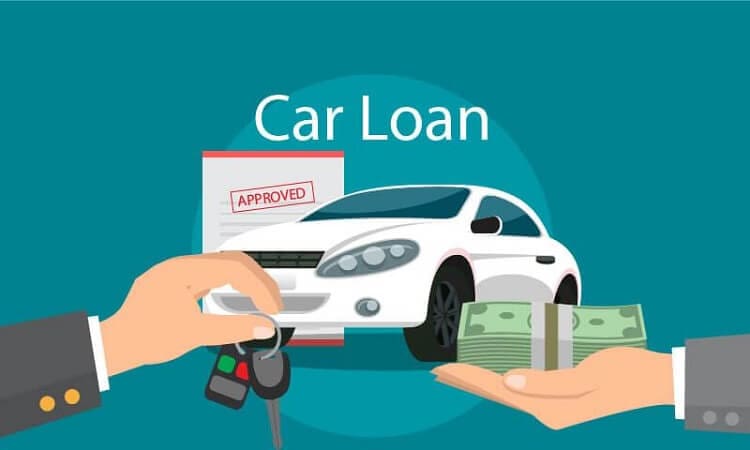
Owning a car is a dream for many, as it represents convenience, independence, and status. However, cars can be expensive, and not everyone has the financial capacity to purchase one outright. This is where a car loan becomes essential. In India, car loans have emerged as a popular financial solution, allowing individuals to buy their dream cars without straining their immediate finances. This article explores what car loans entail, their types, and how they work in India, while also highlighting tools like the car loan calculator to streamline the process.
Meaning of a Car Loan
A car loan is a type of financial lending provided by banks, non-banking financial companies (NBFCs), or other financial institutions to individuals for purchasing a vehicle. The borrower agrees to repay the loan amount along with interest over a fixed tenure through Equated Monthly Installments (EMIs). By allowing you to spread the cost of the car over several months or years, a car loan reduces the burden of paying a lump sum upfront.
Car loans often have competitive interest rates, and the loan’s terms depend on factors like your credit score, income, and the cost of the vehicle.
Types of Car Loans in India
When considering a car loan, it’s important to know the different types that financial institutions in India offer. Depending on your needs, the banks and NBFCs provide various car loan options. These include:
New Car Loan
This is the most common type of car loan where lenders provide financing for the purchase of brand-new cars. Typically, the loan amount covers up to 80–90% of the car’s on-road price, and the borrower is required to pay the remaining amount as a down payment. New car loans usually come with lower interest rates compared to other types.
Used Car Loan
If you’re looking to buy a pre-owned car, a used car loan can help you achieve this. The interest rates for these loans are generally higher than new car loans, as used cars carry greater risk due to depreciation and reduced resale value. Banks typically finance 70–80% of the car’s assessed value, and the borrower has to pay the balance directly.
Commercial Vehicle Loan
For entrepreneurs or business owners seeking to purchase a vehicle for their operations, a commercial vehicle loan is a viable option. Whether it’s a truck, van, or bus, this loan caters specifically to vehicles intended for commercial purposes. The terms and interest rates may differ from regular car loans.
Zero Down Payment Car Loan
In some cases, lenders provide zero down payment car loans, where you don’t have to pay an upfront amount to purchase the vehicle. The entire vehicle cost is financed by the loan provider. As convenient as this sounds, such loans typically come with higher interest rates.
Car Refinancing Loan
If you already have a car loan but find it difficult to keep up with high interest rates, you can opt for a car refinancing loan, where you transfer your outstanding loan to another lender offering lower interest rates. Refinancing is an effective way to reduce your overall financial burden.
Each type of car loan comes with its own pros and cons, and selecting the right one largely depends on your financial situation and needs.
How Car Loans Work in India
Understanding the process of how car loans work in India is crucial for making informed financial decisions. Below is an outline of the key steps involved:
Eligibility Check
Before applying for a car loan, ensure that you meet the lender’s eligibility criteria. These criteria may vary across banks but are usually based on factors like your age, income, employment stability, credit score, and financial history.
Loan Application
The first step is filling out the loan application form, either online or in person at the bank or NBFC’s branch. The form requires information related to your finances, employment status, and the vehicle you intend to purchase. Certain details like the car model and its ex-showroom price are also required.
Documentation
To proceed with the application, you’ll need to submit documents such as:
- ID proof
Aadhaar, PAN card, etc. - Address proof
- Income proof
Salary slips or ITRs - Bank statements
- Vehicle-related documents
Invoice, registration certificate, etc.
Loan Approval
After verifying your documents, the lender evaluates your creditworthiness and financial status to approve the loan. If you meet their criteria, the loan amount is sanctioned. Approval can be instant for individuals with a high credit score.
Loan Disbursement
Once approved, the loan amount is directly disbursed to the car dealer. The car will be handed over to you once the payment is processed.
Repayment
The borrower needs to repay the loan in EMIs, which consist of both principal and interest components, for the chosen tenure. Car loan repayment options range from 12 months to 84 months, depending on the lender.
Calculating Your Car Loan with a Car Loan Calculator
Before applying for a car loan, it’s wise to use a car loan calculator to estimate your EMI payments and understand your financial commitment.
A car loan calculator is a simple online tool that allows you to calculate your monthly EMIs based on three key inputs:
- Loan Amount
The amount of money you want to borrow. - Interest Rate
The applicable rate of interest on your car loan. - Tenure
The duration (in months or years) for which you will repay the loan.
Using this tool gives you clarity about whether the loan fits your budget and helps you choose the right loan tenure to keep your EMIs manageable. It also helps avoid financial strain over the long term.
Factors That Affect Car Loan Eligibility
To get your car loan application approved smoothly, it’s important to understand the factors lenders consider before granting the loan:
- Credit Score
A higher credit score increases your chances of loan approval and better interest rates. - Income Stability
Lenders assess your income to ensure you can repay the loan comfortably. - Age and Employment
Applicants between 21 and 65 years of age with stable jobs find it easier to obtain car loans. - Vehicle Type
New cars are considered less risky and are easier to finance than used or specialized vehicles.
Final Thoughts
A car loan is an excellent financial instrument for purchasing a car while keeping your savings intact. With a variety of options such as new car loans, used car loans, and zero down payment loans, borrowers are spoilt for choice in India. Moreover, tools like the car loan calculator make the loan application process much more convenient. When opting for a car loan, ensure that you evaluate factors like interest rates, EMI affordability, and loan tenure carefully. By understanding how car loans work, you can make a financially sound decision that enables you to drive away in your dream car while remaining stress-free.