
Singapore has a sharp eye.
Sharper than most.
It notices what you wear. How you hand over a business card. Whether your logo feels intentional or just… there. This isn’t paranoia. It’s pattern recognition. In a city where space is tight and time is expensive, people learn to read signals fast.
Brands are no exception.
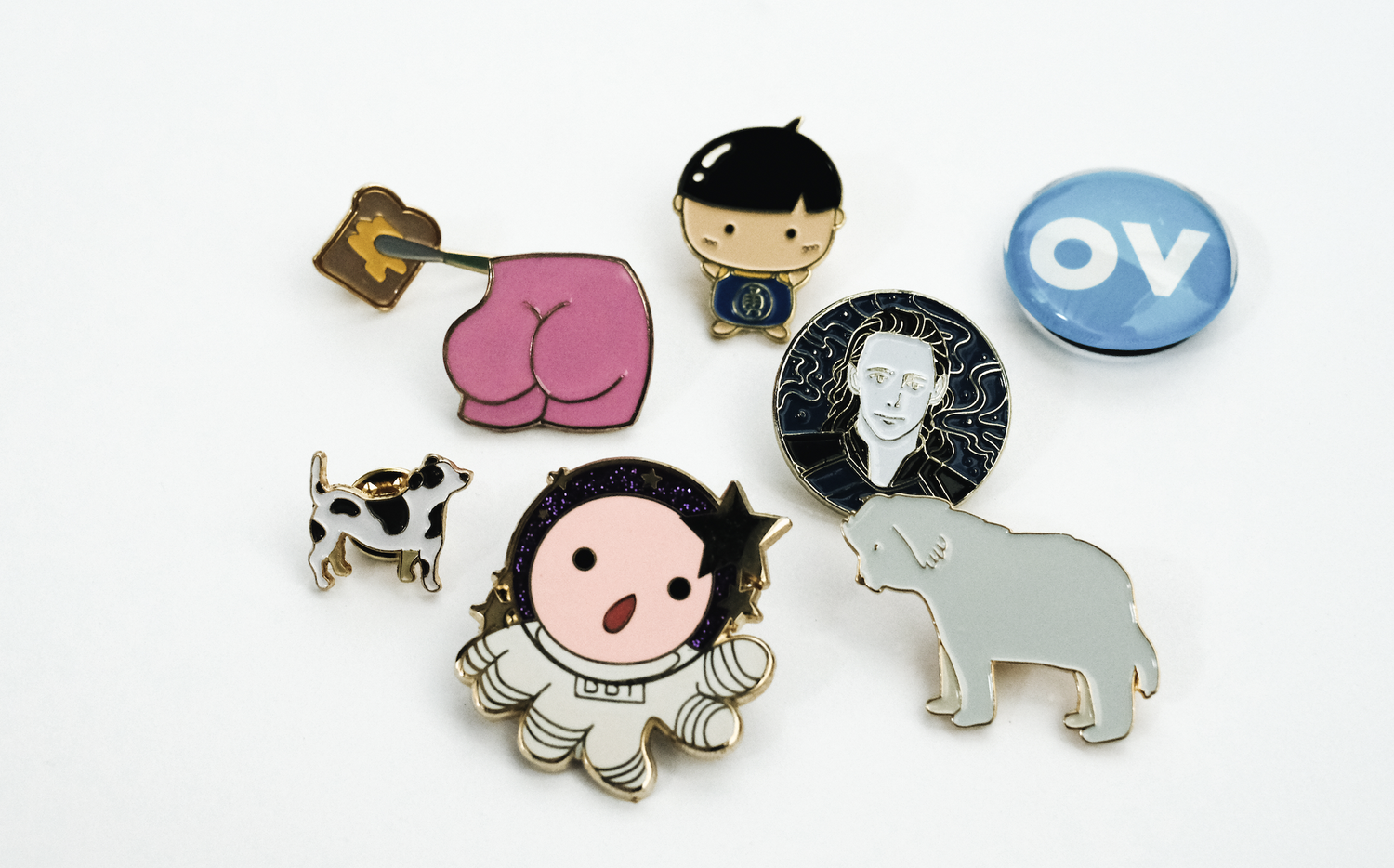
What you choose to put on a person’s body, especially something small, says more than your About page ever will. That’s where custom enamel pins slip into the picture. Quietly. Without drama. Doing their work while everyone else is busy talking.
I didn’t always think pins mattered. For a long time, I lumped them in with mugs and pens. Event leftovers. Drawer clutter. But that belief doesn’t survive long in Singapore. Not once you start paying attention to who uses pins, how they’re designed, and when they’re handed out.
Pins here aren’t filler.
They’re filters.
The Language of Small Objects
Big branding is easy. Billboards. Screens. Sound. Anyone with a budget can make noise. Small branding is harder. It forces choices. It demands restraint. And restraint is something Singapore respects deeply, even when it’s not said out loud.
A custom enamel pin has limits baked in. Limited space. Limited colors. Limited patience from the person wearing it. That pressure squeezes out nonsense. What remains is intent.
A clean icon on a matte pin clipped to a blazer at a fintech meetup doesn’t scream ambition. It murmurs confidence. A playful illustration worn by volunteers at a community event signals openness without begging for approval. Different pins. Different messages. Same medium.
No explanation required.
People here are good at reading that.
Why Pins Feel “Right” in Singapore
Singapore culture prizes function, but not at the cost of feeling. Things are expected to work and to mean something. Pins sit comfortably in that intersection.
They don’t demand attention.
They invite recognition.
Someone notices a pin because they want to, not because it hijacks their senses. That choice matters. It creates a small moment of curiosity instead of resistance. And in a market where audiences are saturated with messaging, curiosity is gold.
That’s why brands that understand the local rhythm don’t overdesign their pins. They avoid visual shouting. They keep lines crisp. Symbols clear. Finishes intentionally. The pin isn’t trying to explain the brand. It’s hinting at it.
Trusting the viewer to connect the dots.
Pins as Social Currency
There’s another layer people don’t talk about much: pins travel socially.
They end up in bags. Jackets. Lanyards. Laptop sleeves. They move through MRT stations, offices, coffee shops, conferences. Each appearance is quiet exposure, but more importantly, it’s contextual exposure.
A pin seen at a design studio means something different than the same pin spotted in a boardroom. The object stays the same. The story shifts. Good brands plan for that.
In Singapore, where professional and social circles overlap constantly, these micro-signals stack up. Over time, a pin becomes shorthand. “Oh, you’re part of that group.” “You were at that event.” “You support that cause.”
No pitch.
No awkward small talk.
Just recognition.
When Brands Get It Wrong
It’s worth saying this plainly: people can tell when a pin is an afterthought.
Thin metal. Weak clasps. Colors that feel off. Designs that look like they were approved too quickly because someone had a deadline. These things don’t just reflect cost-cutting. They reflect mindset.
In Singapore, that kind of carelessness sticks. It doesn’t cause outrage. It causes quiet doubt. And quiet doubt is harder to reverse than loud criticism.
A poorly made custom enamel pin doesn’t just fail to impress. It subtracts trust. People might not articulate why, but they feel it. Something about the brand doesn’t quite land.
The opposite is also true.
A solid pin—good weight, clean finish, thoughtful design—creates a subtle sense of competence. Even warmth. It suggests the brand pays attention when no one is watching.
That’s powerful.
The Heavier Counterpart: Challenge Coins
Now let’s talk about weight. Literal weight.
While pins handle visibility and movement, custom challenge coins operate in a different emotional register. They’re not worn. They’re held. Stored. Occasionally shown. Often kept private.
In Singapore, challenge coins aren’t loud symbols of hierarchy. They’re markers of trust. Of contribution. Of shared history. A coin isn’t given casually. It’s earned, or at least meant to feel that way.
Where a pin might say, I’m part of this, a coin says, I mattered here.
That distinction matters in organizations that care about culture beyond surface-level perks. Coins show up in moments that don’t need publicity. Internal milestones. Team achievements. Leadership recognition. The kind of moments that shape how people feel about where they work.
And feeling, despite the stereotypes, matters a great deal here.
Design Discipline Tells the Truth
You can learn a lot about a Singapore brand by looking at how disciplined its physical designs are.
Strong pins and coins rarely try to do too much. They commit to one idea and execute it cleanly. Weak ones hedge. They add. They clutter. They explain themselves to death.
That difference mirrors how decisions are made internally. Clear thinking produces clear objects. Messy thinking leaves fingerprints everywhere.
It’s no coincidence that some of the most respected organizations in Singapore have the simplest pins. A symbol. A year. A motto you don’t need to Google. The confidence lies in what’s left out.
Coins follow the same logic. The best custom challenge coins aren’t crowded with text. They feel intentional. Balanced. Worth keeping.
You don’t put something like that in a drawer and forget it.
Memory, Not Just Marketing
Most brand materials expire quickly. Campaigns end. Slogans rotate. Visuals refresh. Pins and coins resist that cycle.
They age.
Sometimes beautifully.
A pin from five years ago might feel nostalgic rather than outdated. A coin from an early project might gain meaning as the organization grows. These objects don’t chase relevance. They accumulate it.
That’s especially valuable in Singapore, where continuity carries social weight. People respect things that last, even quietly. Especially quietly.
A brand that understands this isn’t chasing trends. It’s planting markers. Physical reminders that a moment happened, that it mattered, that someone thought it was worth commemorating in metal.
Why This Works Locally
Singapore doesn’t reward excess. It rewards precision. The right thing, in the right amount, at the right time.
Custom enamel pins fit that philosophy almost too well. They’re small but intentional. Visible but restrained. Personal without being intrusive. Custom challenge coins complement that by offering depth where pins offer reach.
Together, they tell a fuller story about a brand’s values. One outward-facing. One inward-facing. Both rooted in care.
And care is the throughline here.
People may not consciously analyze a pin or a coin. They don’t need to. The feeling lands anyway. This brand pays attention. This brand thought about this. This brand didn’t rush.
In a city that runs on quiet standards and unspoken expectations, that feeling travels far.
What Stays Behind
Long after the event ends.
Long after the campaign fades.
Long after the pitch decks get archived.
There’s still the pin. Still the coin. Still that small, physical reminder that something was built with intention.
That’s what these objects really say about a brand in Singapore.
Not that it’s flashy.
Not that it’s loud.
But that it understands the value of saying just enough—and letting the rest be felt.