
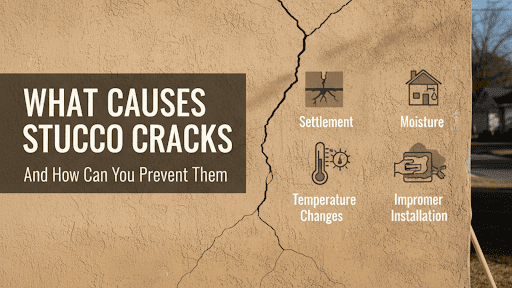
Cracks in stucco walls can be frustrating. They often appear out of nowhere, making homeowners wonder if something’s wrong with the structure. Are these cracks just cosmetic, or do they signal deeper problems? While small lines might seem harmless, ignoring them can lead to costly damage later. The good news is that most cracks have simple causes—and even simpler solutions.
The durability of your walls depends on the quality of installation, weather conditions, and how quickly you address early warning signs. Professional stucco repair services can fix existing damage and help you avoid repeat issues. But before you reach that stage, it helps to know why stucco cracks form in the first place and what steps you can take to stop them from spreading.
Let’s explore the main reasons and practical prevention methods to keep your exterior looking smooth and strong for years.
Common Causes of Stucco Cracks
Not all cracks are created equal. Some are surface-level, while others point to deeper structural movement. Here’s what usually causes them:
1. Natural House Movement
Every home settles over time. As foundations shift slightly, rigid materials like stucco can’t stretch to match the movement. This often results in hairline cracks near doors, windows, and corners.
2. Improper Application
If stucco isn’t mixed, cured, or layered correctly, cracks appear faster. Too much water in the mix or uneven thickness can cause stress points that break over time. Skilled application and proper curing help prevent these issues.
3. Rapid Drying
When stucco dries too quickly—especially in hot or windy conditions—it loses moisture unevenly, creating tension in the layers. This leads to fine cracks soon after installation.
4. Weather Extremes
Frequent temperature changes cause materials to expand and contract. In areas with freezing winters and hot summers, stucco experiences repeated stress that leads to surface cracking.
5. Water Damage
Trapped moisture behind stucco is one of the worst culprits. Leaks, poor drainage, or clogged gutters allow water to seep in, weakening the surface and causing peeling or large fractures.
6. Structural Issues
If cracks grow wider over time or follow a zigzag pattern, they might be linked to foundation settling or soil movement. These require professional inspection and targeted repair.
Types of Stucco Cracks You Might Notice
Each crack tells a story about what’s happening behind your walls. Recognizing them helps you take the right action early.
| Crack Type | Appearance | Likely Cause | Severity |
| Hairline | Very thin, less than 1/16 inch | Normal drying or minor movement | Low |
| Spider Web | Fine network pattern | Rapid drying | Moderate |
| Diagonal | Angled lines near corners | Structural shifting | High |
| Horizontal | Straight across mid-wall | Foundation settling | High |
| Bulging or Peeling | Raised or hollow areas | Water infiltration | Severe |
If your walls show multiple patterns or wide gaps, it’s time to call professionals for assessment.
How Expert Repair Services Help
Once cracks appear, acting quickly prevents bigger issues like leaks or detachment. Reliable stucco repair services focus on identifying the cause before fixing the damage. Here’s how experts usually handle it:
- Inspection and diagnosis – They examine the pattern, width, and depth of cracks to understand if they’re surface-level or structural.
- Cleaning and preparation – Loose debris and damaged material are removed to ensure proper bonding of the new patch.
- Patching or retexturing – For small cracks, a patching compound or elastomeric sealant is applied and textured to match the wall.
- Re-stuccoing (if needed) – Severely damaged sections are rebuilt with new stucco layers.
- Painting and sealing – Once repairs cure, professionals apply protective coatings that prevent future moisture problems.
These steps not only restore appearance but also strengthen your home’s exterior for the long run.
Preventing Future Cracks
Prevention is easier and cheaper than constant repair. Regular care and small adjustments can make your stucco last decades without major issues.
1. Schedule Routine Inspections
Walk around your home twice a year. Look for new cracks, stains, or damp spots. Early detection keeps damage manageable.
2. Maintain Drainage Systems
Ensure gutters and downspouts direct water away from your walls. Poor drainage often leads to hidden moisture and eventual cracking.
3. Seal Vulnerable Areas
Use flexible caulk or sealant around windows, doors, and joints. It helps absorb small movements and prevents water from entering.
4. Avoid Pressure Washing
High-pressure water can force moisture behind the stucco and widen cracks. Instead, clean walls gently with mild soap and a garden hose.
5. Control Foundation Shifts
If you notice uneven floors or sticking doors, have your foundation checked. Early foundation stabilization prevents deep, recurring cracks.
When Small Cracks Become a Big Problem
Sometimes, homeowners ignore hairline cracks thinking they’re harmless. But small gaps can quickly grow under pressure from moisture or temperature changes. Water seeps in, freezes, expands, and makes the cracks worse. Over time, this leads to delamination—when stucco separates from the wall beneath.
If you notice cracks reappearing in the same place after repair or see paint bubbling, the issue likely runs deeper. Don’t attempt to cover it up with paint or filler alone. Getting a professional inspection saves time and prevents expensive restoration later.
Long-Term Maintenance for Healthy Stucco
Keeping your exterior strong doesn’t require complicated upkeep—just consistency.
- Repaint every 7–10 years using a breathable masonry coating.
- Check sealants annually and reapply where necessary.
- Trim nearby trees or bushes to allow airflow and prevent trapped moisture.
- Fix leaks promptly, even small ones from sprinklers or downspouts.
Simple care practices protect your walls from erosion, mold, and cracking.
The Bottom Line
Cracks in stucco aren’t always a sign of failure—but they should never be ignored. Most are caused by natural movement, moisture, or improper application, all of which can be managed with regular maintenance and timely fixes.
Hiring reliable stucco repair services ensures that each crack is treated correctly and that your walls remain strong and beautiful. By inspecting regularly, keeping surfaces sealed, and addressing water problems early, you can extend your stucco’s lifespan and prevent recurring damage.
Your home deserves a finish that lasts—and with the right care, it will.