
Building a software product is no longer just about writing code. For startups, especially, the challenge is to create a product that is scalable, secure, user-friendly, and ready for the market. This is where SaaS development services come in.
Software as a Service (SaaS) has become one of the most popular business models today. From project management tools to accounting platforms, SaaS products are everywhere. If you are a startup founder with an idea for a SaaS product, understanding SaaS development services is the first step toward success.
This guide explains what SaaS development services are, why they matter, and how startups can use them effectively.
What Is SaaS?
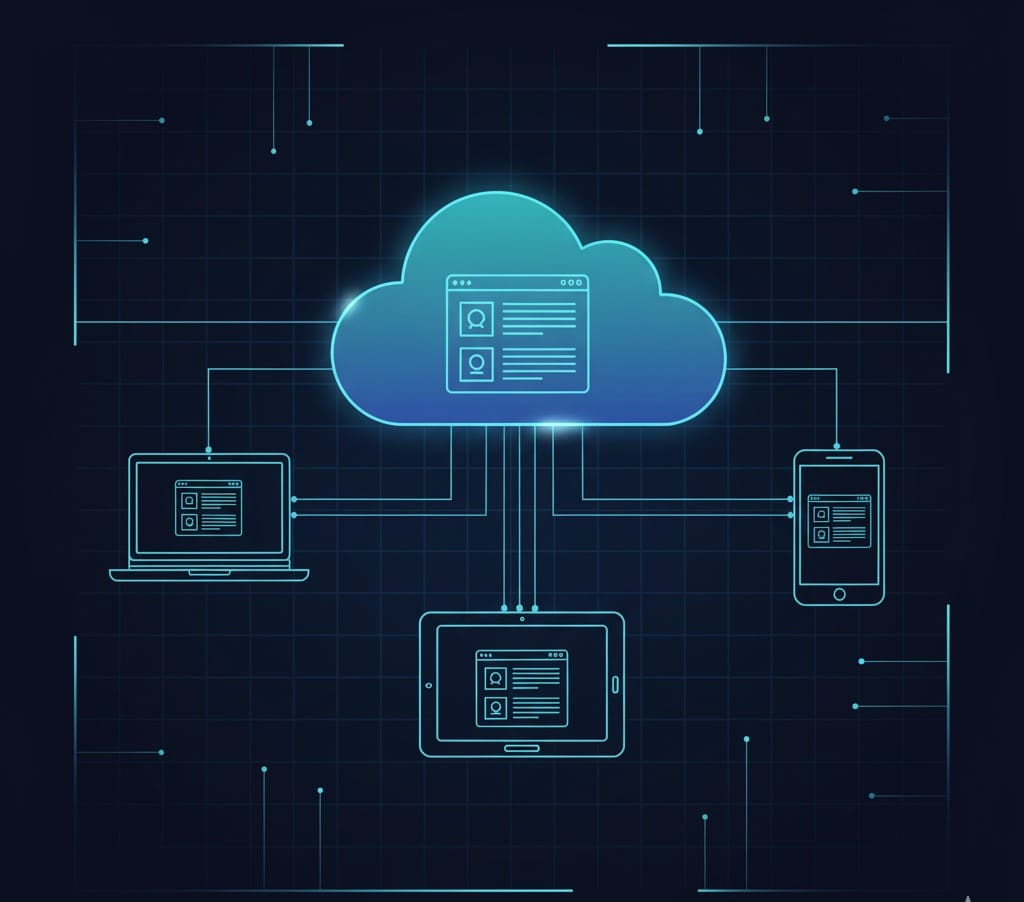
SaaS stands for Software as a Service. It is a software delivery model where users access applications over the internet instead of installing them on their devices.
Examples include email tools, CRM systems, and collaboration platforms.
Key features of SaaS products:
- Accessed through a web browser
- Subscription-based pricing
- Automatic updates and maintenance
- Scalable for growing users
What Are SaaS Development Services?
SaaS development services cover the complete process of building, launching, and maintaining a SaaS application. These services are usually offered by a SaaS development company with experience in cloud-based software.
They help startups turn ideas into fully functional SaaS products.
SaaS development services typically include:
- Product planning and consultation
- UI/UX design
- Frontend and backend development
- Cloud infrastructure setup
- Testing and quality assurance
- Deployment and ongoing support
In simple terms, these services take care of everything needed to build and run a SaaS product.
Why SaaS Development Services Are Important for Startups
Startups often face limited budgets, tight timelines, and high competition. SaaS development services help reduce these challenges.
Here’s why they matter:
Faster Time to Market
Experienced teams follow proven processes. This helps startups launch faster.
Lower Development Risk
Professionals anticipate technical and business risks early.
Scalability from Day One
The product is built to grow with users and data.
Cost Efficiency
Avoid hiring a large in-house team early on.
Key Components of SaaS Development Services
Product Discovery and Planning
This is the foundation of the entire project.
It includes:
- Understanding business goals
- Defining target users
- Identifying core features
- Creating a product roadmap
For startups, this step helps avoid building unnecessary features.
UI/UX Design
A SaaS product must be easy to use.
UI/UX design focuses on:
- Simple navigation
- Clear layouts
- Consistent user experience
- Responsive design for all devices
Good design improves user adoption and retention.
Frontend and Backend Development
This is where the actual product is built.
Frontend development handles what users see and interact with.
Backend development manages data, logic, and system performance.
A SaaS development company ensures:
- Clean and maintainable code
- Secure data handling
- Smooth performance under load
Cloud Infrastructure and Architecture
SaaS products run on cloud platforms.
This step includes:
- Choosing the right cloud provider
- Designing multi-tenant architecture
- Setting up databases and servers
- Ensuring high availability
Strong architecture helps the product scale without major changes later.
Integration and API Development
Most SaaS products need to connect with other tools.
Common integrations include:
- Payment gateways
- CRM systems
- Analytics tools
- Email services
APIs allow smooth data exchange between systems.
Testing and Quality Assurance
Testing ensures the product works as expected.
It includes:
- Functional testing
- Performance testing
- Security testing
- Bug fixing
This reduces the risk of issues after launch.
Deployment and Ongoing Support
Once the product is ready, it is deployed to the cloud.
After launch, SaaS development services continue with:
- Monitoring performance
- Fixing bugs
- Adding new features
- Improving security
SaaS products evolve continuously.
SaaS Development Services vs Traditional Software Development
Many startups ask this question early on.
Here are the key differences:
- SaaS is cloud-based, traditional software is often installed locally
- SaaS uses subscription models
- SaaS requires continuous updates
- SaaS focuses heavily on scalability and security
SaaS development services are built specifically to support this model.
How Startups Benefit from Hiring a SaaS Development Company
Working with a professional SaaS development company offers several advantages.
Access to Skilled Experts
You get developers, designers, and architects with SaaS experience.
Proven Development Process
Established workflows reduce errors and delays.
Focus on Core Business
Founders can focus on strategy, marketing, and growth.
Long-Term Technical Support
Reliable support ensures product stability.
How to Choose the Right SaaS Development Company
Not all providers are the same. Startups should choose carefully.
Here are practical tips:
- Check past SaaS projects and case studies
- Look for experience in your industry
- Ask about scalability and security practices
- Understand their development process
- Ensure clear communication and transparency
Choosing the right partner can save time and money.
Common Challenges in SaaS Development (and How Services Help)
Scalability Issues
Poor architecture can slow growth. SaaS experts plan for scale early.
Security Risks
Data breaches damage trust. Professional teams follow best practices.
Feature Overload
Too many features confuse users. Product planning avoids this.
Budget Overruns
Clear planning and agile development help control costs.
SaaS development services are designed to handle these challenges.
Practical Tips for Startups Using SaaS Development Services
- Start with an MVP, not a full product
- Focus on solving one clear problem
- Collect user feedback early
- Plan for future growth
- Invest in security from the beginning
These steps improve your chances of success.
Conclusion
For startups aiming to build scalable, reliable, and competitive software products, SaaS development services are not just helpful—they are essential.
They provide the technical expertise, structure, and support needed to turn an idea into a successful SaaS product. By working with the right SaaS development company, startups can reduce risks, speed up development, and focus on growth.
Actionable takeaway:
If you are planning a SaaS product, start by defining your core idea, build an MVP, and partner with experienced SaaS professionals who understand both technology and startup needs.
A strong foundation today leads to sustainable growth tomorrow.