
Dark spots and uneven skin tone are among the most common skincare concerns today. Whether caused by sun exposure, acne marks, hormonal changes, or aging, dark spots on skin can affect overall radiance and confidence. Many people now seek natural ways to reduce dark spots and hyperpigmentation without harsh chemicals, aiming instead for glowing skin naturally.
This guide explains what causes dark spots, how hyperpigmentation develops, and the most effective natural treatments and habits to help achieve even skin tone naturally with consistency and care.
Understanding Dark Spots and Hyperpigmentation
Before exploring natural solutions, it’s helpful to understand what hyperpigmentation is and why it develops in the first place.
What Are Dark Spots?
Dark spots, also known as age spots or sun spots, are areas where the skin produces excess melanin. These appear as brown, black, or grey patches and are commonly seen on the face, neck, hands, and shoulders.
Common Causes of Dark Spots on Skin
- Sun exposure: Hyperpigmentation caused by UV rays is one of the most common types. Prolonged sun exposure accelerates melanin production, leading to visible pigmentation over time. Understanding the difference between hyperpigmentation vs tanning helps explain why some marks fade while others persist.
- Post-inflammatory hyperpigmentation: Conditions like acne, eczema, insect bites, or over-exfoliation can cause discoloration after the skin heals. These marks are often referred to as post-acne pigmentation (PIH) and may take weeks or months to fade.
- Hormonal changes: Melasma associated with pregnancy or hormonal shifts can trigger symmetrical dark patches, especially on the face. This type of discoloration is commonly known as pregnancy-related pigmentation.
- Aging: As skin renewal slows down with age, pigmented cells tend to accumulate, making dark spots more noticeable.
Understanding the cause matters because how to reduce dark spots on the face naturally often depends on why they appeared.
What Is Hyperpigmentation?
Hyperpigmentation of skin occurs when melanin production increases in specific areas, leading to uneven skin tone. It can affect all skin types and tones, especially in climates with high sun exposure.
Unlike temporary tanning, hyperpigmentation on the face often requires consistent care and targeted treatment to fade gradually.
Why Natural Treatment Works for Dark Spots
Natural skincare focuses on:
- Supporting the skin barrier
- Reducing inflammation
- Encouraging gentle skin renewal
Unlike aggressive treatments, dark spots natural treatment methods work slowly but sustainably, helping the skin regain balance without irritation.
How to Reduce Dark Spots on Face Naturally
1. Sun Protection Is Non-Negotiable
One of the leading causes of dark spots on the face is sun exposure. Without protection, even the best treatments may fail.
Natural habits to follow:
- Use a broad-spectrum sunscreen daily
- Wear hats or scarves when outdoors
- Avoid peak sun hours when possible
Sun protection prevents further hyperpigmentation of skin and allows existing marks to fade.
Along with daily sun protection, starting with a gentle cleanse helps prevent irritation that can worsen pigmentation. Using a mild, toxin-free option like Biocule’s Ever Glow Radiance Face Wash supports clean skin without disrupting the barrier, allowing protective products to work more effectively.
2. Aloe Vera for Skin Repair
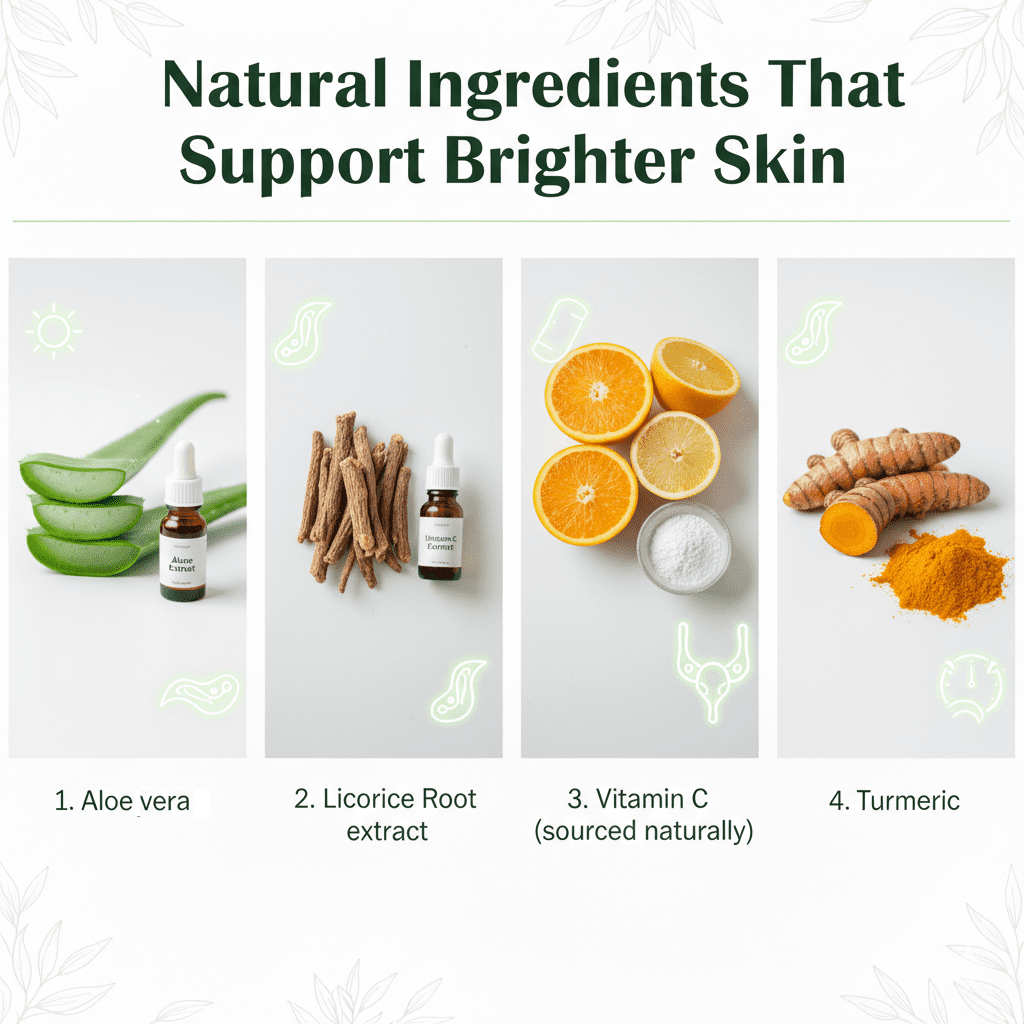
Aloe vera contains aloin, a compound known to support dark spots removal naturally.
How to use:
- Apply fresh aloe vera gel to affected areas
- Leave on overnight, 3–4 times a week
It also calms irritation, making it helpful for hyperpigmentation natural treatment.
3. Licorice Root for Even Skin Tone
Licorice extract helps regulate melanin production and is commonly used in dark spots on face treatment routines.
Benefits include:
- Supporting even skin tone naturally
- Reducing visible pigmentation over time
- Being gentle on sensitive skin
4. Vitamin C from Natural Source
Vitamin C supports skin brightness and collagen health, making it valuable for face glow naturally.
Natural sources include:
- Kakadu plum
- Amla
- Citrus fruit extracts
These ingredients help reduce oxidative stress, a major contributor to hyperpigmentation on skin.
5. Gentle Exfoliation for Dark Spots Removal Naturally
Dead skin buildup can make dark spots appear darker and more stubborn.
Natural Exfoliation Options
- Oatmeal mixed with water or yogurt
- Rice flour used gently once a week
- Mild fruit enzymes (papaya, pineapple) in small amounts
Gentle exfoliation improves absorption of treatments and supports glowing skin naturally.
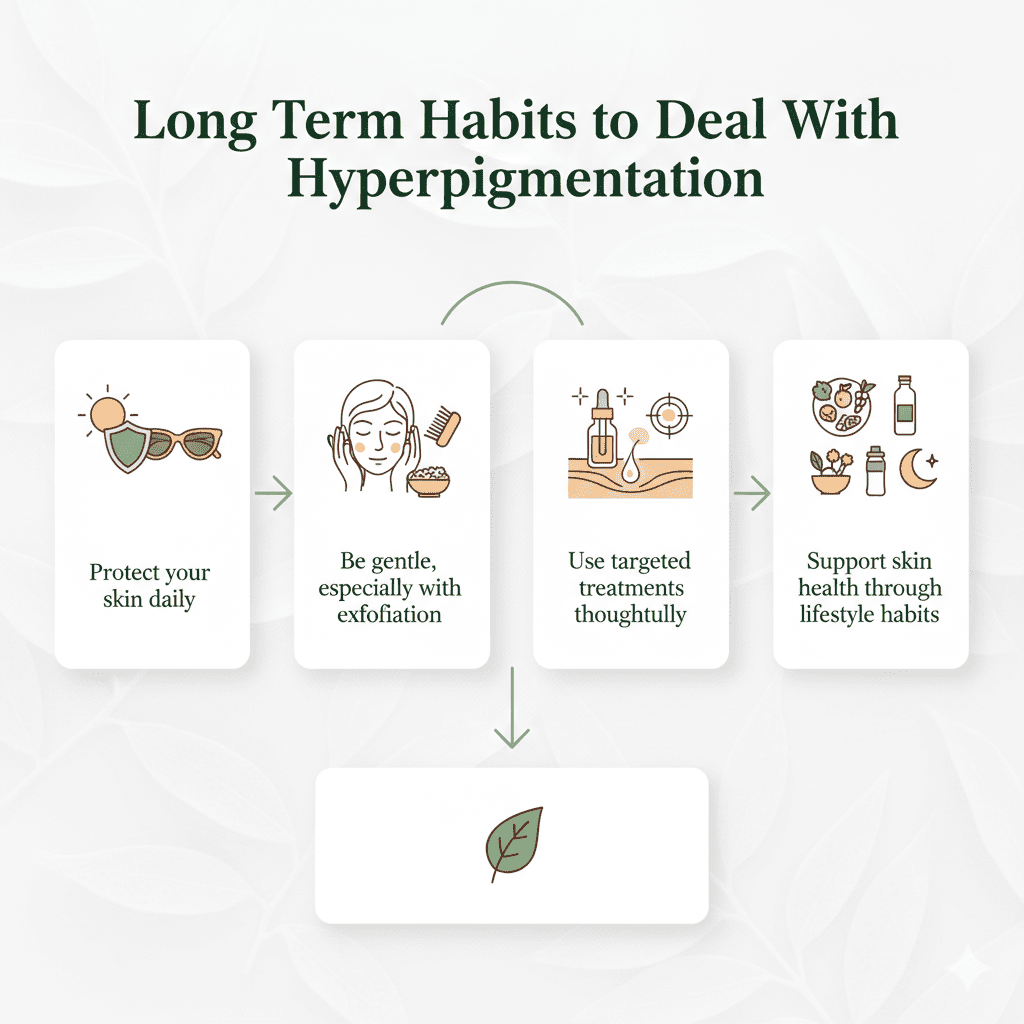
Natural Skincare for Glowing Skin: Daily Habits Matter
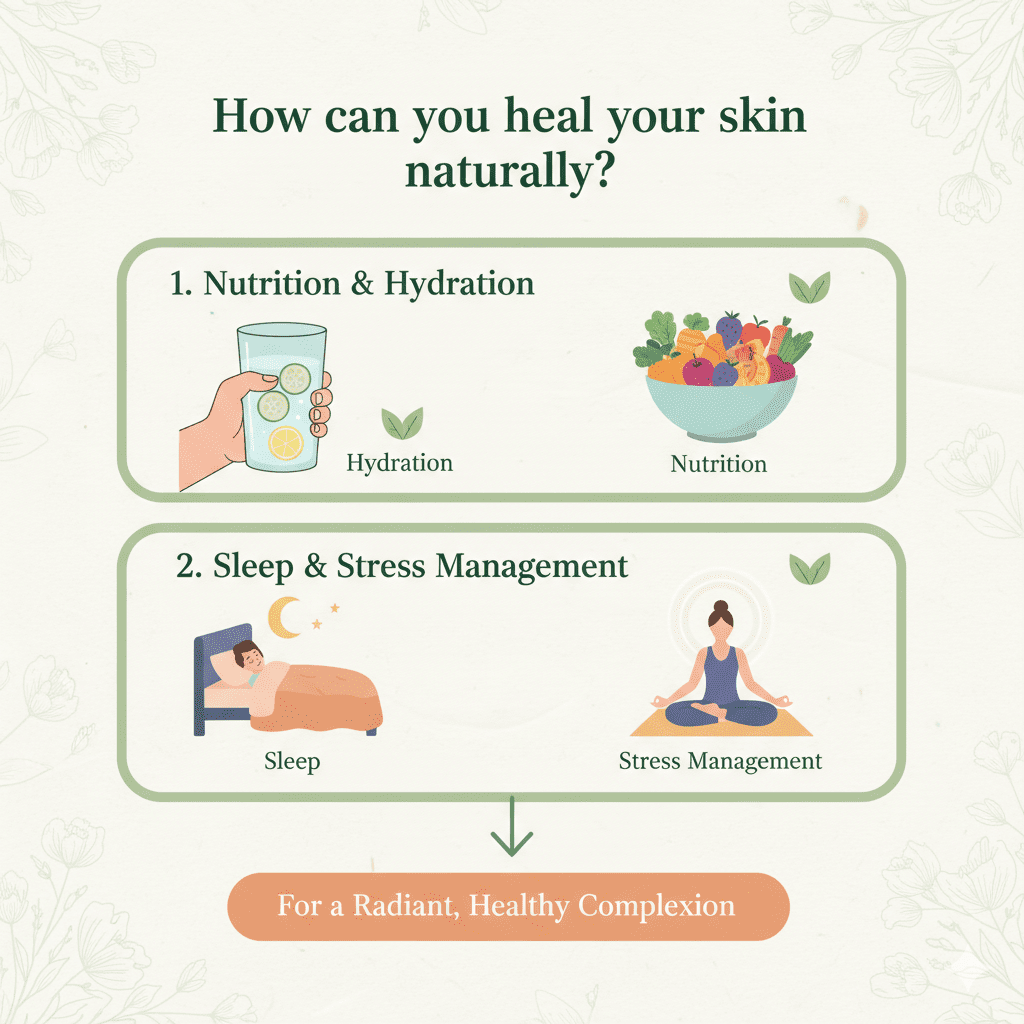
1. Hydration for Skin Balance
Well-hydrated skin heals faster and maintains a healthier tone.
Tips:
- Drink adequate water daily
- Use hydrating ingredients like glycerin and hyaluronic acid (plant-derived)
Hydration plays a key role in hyperpigmentation face treatment by strengthening the skin barrier.
2. Antioxidant-Rich Diet
Skin reflects internal health. A diet rich in antioxidants can help prevent and reduce dark spots on skin.
Include:
- Berries
- Leafy greens
- Nuts and seeds
These support cell repair and improve glowing skin naturally from within.
3. Consistent Night Repair Routine
Skin regenerates at night, making this the best time for targeted care.
A simple routine may include:
- Gentle cleansing
- A lightweight, non-irritating serum with natural brightening ingredients
- Moisturising to lock in hydration
Some people incorporate formulations containing botanical extracts and niacinamide alternatives, similar to those found in products like Biocule’s Spotless Serum, which is often chosen for its focus on skin clarity rather than quick fixes. When used as part of a consistent routine, such products can complement hyperpigmentation natural treatment without overwhelming the skin.
Face Glow Naturally: Ingredients to Look For
To support dark spots removal naturally, look for ingredients such as:
- Mulberry extract
- Bearberry
- Turmeric derivatives
- Green tea
These help reduce discoloration while supporting overall skin health.
Do Home Remedies Really Help Hyperpigmentation?
While many people rely on DIY solutions, results depend on the cause and depth of pigmentation. It’s important to understand how home remedies help hyperpigmentation or whether they work best as supportive care alongside a structured routine.
Glow Is a Result of Balance
Reducing dark spots and hyperpigmentation naturally is not about bleaching the skin, it’s about restoring balance. With sun protection, nourishing ingredients, mindful habits, and a gentle routine, glowing skin naturally becomes achievable over time.
By choosing natural skincare for glowing skin, supporting your skin barrier, and staying consistent, you allow your skin to gradually return to a clearer, healthier, and more even tone naturally.
Frequently Asked Questions (FAQs)
1. What is the difference between dark spots and hyperpigmentation?
Dark spots are a specific form of hyperpigmentation. Hyperpigmentation is the broad term for any skin darkening caused by excess melanin, while dark spots describe small, clearly defined areas. Hyperpigmentation can be widespread or patchy; dark spots are usually localized.
2. Can dark spots really be reduced naturally?
Yes. Mild to moderate dark spots can fade with consistent natural care, especially when caused by sun exposure or post-acne marks. Natural methods work slowly by supporting skin renewal and calming inflammation. Results are gradual and usually take weeks, not days.
- Best for newer or surface-level spots
- Consistency matters more than intensity
- Sun protection is essential
3. How long does it take to see results from natural treatments?
Most people see gradual improvement within 6 to 12 weeks when natural care is used consistently. Timing depends on pigment depth, skin tone, and how long the spots have existed. Older or deeper discoloration usually takes longer to fade.
- Expect slow, steady change
- Daily habits matter
- Deeper pigment = longer timeline
4. Are natural remedies safe for all skin tones?
Generally yes, but caution is important. Deeper skin tones are more prone to irritation-triggered darkening, so harsh remedies should be avoided. Patch testing is essential, especially with turmeric, citrus, or fruit-based ingredients. Gentle care is usually safer and more effective.
- Avoid stinging or burning
- Patch test every new ingredient
- Calm skin fades more evenly
5. Can skincare products help alongside natural methods?
Yes, if chosen carefully. Gentle products that support the skin barrier can complement natural routines. Some people include tone-supporting serums, such as Spotless Serum, alongside sun protection and calming care. The goal is balance, not aggressive lightning.
- Avoid harsh “bleaching” claims
- Support barrier health
- Do not overload the skin
6. When should someone consider professional treatment?
If dark spots do not improve after several months of consistent care, or if pigmentation spreads or worsens, professional advice is recommended. A dermatologist can identify underlying causes and determine whether treatments like peels or prescription creams are appropriate.
- No improvement after 3–6 months
- Hormonal or sun-related patches
- Sudden or unusual changes