
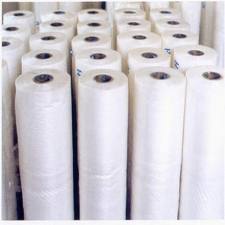
The right water soluble film manufacturer is the one that can prove dissolution performance in cold water, not just warm water, since most real-world applications happen at room temperature or below. In 2026, buyers evaluating suppliers should request a certificate of analysis for every batch, covering PVA grade, film thickness in microns, and moisture barrier rating before placing a first order.
Water soluble film shows up in more products than most buyers realize: laundry and dishwasher pods, agricultural chemical sachets, embroidery backing, hospital laundry bags, and single-dose industrial packaging. Each of these uses a different dissolution speed and thickness, so a manufacturer that only stocks a single grade often cannot support a buyer whose product line expands over time. Sourcing teams that switch suppliers frequently because of inconsistent grades usually find that consolidating with one flexible manufacturer reduces both cost and quality-control headaches.
Buyers comparing water soluble film manufacturers should look closely at cold-water solubility data, seal strength, and whether the supplier tests for full disintegration rather than partial breakup, because partial dissolution can leave residue in machines or on fabric.
Key Specifications to Compare
- Dissolution temperature range across cold, warm, and hot water conditions
- Film thickness, typically measured in microns, usually falling in the 20 to 100 micron range
- Tensile strength and elongation before the film tears during handling
- Moisture barrier rating for humid storage and shipping environments
- Heat-seal compatibility with the buyer’s existing packaging lines
Questions to Ask Before Ordering
Ask for the minimum order quantity, standard lead time from deposit to shipment, and whether free samples are cut to the buyer’s exact thickness requirement rather than a generic swatch. A manufacturer that hesitates to share third-party lab results for biodegradability or toxicity is worth a second look before signing a long-term contract, since regulators in several markets now request this documentation directly from the brand owner, not just the film supplier.
Common Mistakes Buyers Make
The most frequent error is testing samples only at room temperature and then discovering the film performs poorly in a colder shipping or storage environment. The second most common mistake is ignoring seal strength, which affects whether pouches survive transit without leaking their contents before the film is meant to dissolve. A third mistake worth avoiding is committing to a large first order before running a small production trial, since scaling issues rarely show up in hand-cut lab samples.
Pricing and Total Cost of Ownership
Water soluble film is usually priced per kilogram or per square meter, but the cheapest quote is not always the cheapest option once waste rates are factored in. A film that jams packaging equipment or dissolves unevenly generates scrap and downtime that quickly erases any savings from a lower unit price. Buyers should ask suppliers for a defect rate guarantee and request that it be written into the purchase agreement rather than treated as a verbal assurance.
For buyers placing recurring orders, negotiating a fixed price for a defined volume tier over six or twelve months protects against currency fluctuations, which matter more for overseas manufacturers than many buyers initially expect. Locking in raw material cost assumptions at the contract stage, in 2026’s shifting resin market, is one of the simplest ways to avoid unpleasant renegotiations mid-year.