
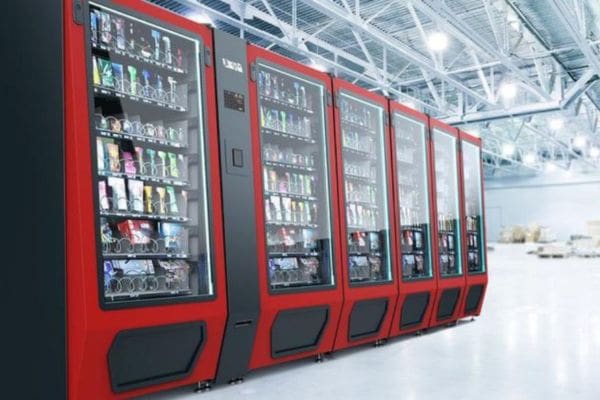
The automated retail industry is booming. From contactless payment systems to AI-powered inventory management, today’s vending machines are sophisticated pieces of technology that can generate serious revenue. But here’s what most investors and business owners overlook: the real cost of ownership begins after you’ve made the purchase.
I’ve seen countless entrepreneurs rush into deals with vending machine manufacturers, seduced by glossy brochures and promises of passive income, only to find themselves stranded when something goes wrong. A broken refrigeration unit. A payment system that crashes. A software glitch that locks out customers. Without proper warranty coverage and responsive support, your profitable investment quickly becomes an expensive paperweight sitting in a car park.
The truth is, selecting the right manufacturer isn’t just about upfront costs or flashy features. It’s about building a partnership with a company that will stand behind their product when things inevitably go sideways. Let’s break down exactly how to separate the genuine players from those who’ll disappear the moment your warranty claim lands in their inbox.
Why After-Sale Service Makes or Breaks Your Investment
Consider this: The average commercial vending machine operates 24/7, processing hundreds of transactions weekly. That’s roughly 8,760 hours of continuous operation annually. Compare that to your personal vehicle, which might clock 1,000-2,000 hours per year. The wear and tear is exponential, yet many buyers spend more time researching their next car purchase than they do vetting their vending equipment supplier.
According to industry data from the National Automatic Merchandising Association, vending machines with comprehensive service agreements maintain 97% uptime compared to just 73% for those without proper support. That 24% difference in operational time directly impacts your bottom line. If your machine generates $300 per week, poor support could cost you approximately $3,700 annually in lost revenue per unit.
But the financial impact goes deeper. Emergency repair callouts typically cost 3-5 times more than scheduled maintenance visits. Parts ordered individually carry premium pricing compared to those covered under warranty agreements. And here’s the kicker: downtime doesn’t just mean lost sales—it damages your location relationships. Site owners don’t want to explain to customers why the coffee machine hasn’t worked for three weeks.
The Critical Questions You Must Ask Before Signing
What Does the Warranty Actually Cover?
Don’t accept vague assurances. Request the complete warranty documentation before committing. Look for specific coverage details:
Comprehensive coverage should include compressors, refrigeration systems, payment mechanisms, touchscreens, LED lighting, and control boards. Many manufacturers offer tiered warranties—perhaps 12 months on electronics but only 90 days on refrigeration components. That disparity matters when your cooling system fails during a scorching Australian summer.
Pay attention to exclusions. Some warranties void coverage if you use third-party parts, perform your own maintenance, or relocate the machine without notification. Others exclude “wear and tear” items, which sounds reasonable until you discover that this category includes critical components like door hinges, product delivery mechanisms, and selection buttons.
One Melbourne-based operator I spoke with learned this lesson the hard way. His warranty explicitly excluded damage from “environmental factors,” which the manufacturer interpreted to include everything from humidity to temperature fluctuations. After six months, when condensation damaged the control board, he was left with a $2,400 repair bill despite having “comprehensive” coverage.
What’s the Response Time for Service Calls?
A warranty is worthless if support moves at glacial speed. Establish clear expectations:
- What’s the guaranteed response time for urgent issues? (Target: within 24 hours)
- How quickly will non-critical problems be addressed? (Target: within 72 hours)
- Are these guarantees written into the service agreement?
- What compensation exists if response times aren’t met?
Geography matters enormously here. If your manufacturer operates from Sydney but your machines are in Cairns, response times naturally extend. Ask whether they have authorised service partners in your region or if every callout requires flying someone interstate.
The best manufacturers provide tiered support. Critical failures—complete machine shutdown, payment system down, food safety issues—should trigger immediate response. Minor issues like cosmetic damage or a single selection button malfunction can wait for scheduled maintenance.
Who Handles the Actual Repairs?
This might be the most important question nobody asks. Some manufacturers maintain in-house service teams with factory-trained technicians. Others outsource to third-party contractors. Still others expect you to coordinate repairs through local appliance specialists who may have never seen your specific model.
Each approach has implications. In-house teams typically offer superior expertise but may have limited geographic coverage. Third-party networks provide broader reach but variable quality. DIY arrangements offer flexibility but place the burden entirely on you.
Request references from current clients in your area. Ask about their actual experiences, not the manufacturer’s promises. How many service calls have they needed? Were technicians knowledgeable? Did repairs actually fix the problem or require multiple visits?
One Perth operator told me his manufacturer’s “nationwide service network” consisted of exactly one authorised repairer for the entire state. When that contractor went on holiday, machines sat broken for weeks. Meanwhile, his competitor using a different manufacturer had three local service options and never experienced more than 48 hours of downtime.
The Hidden Costs Nobody Mentions
Parts Availability and Pricing
Here’s a scenario that plays out constantly: Your machine breaks down. The technician diagnoses the problem. Then you wait. And wait. Because the replacement part ships from China on a boat that won’t arrive for six weeks.
Premium manufacturers maintain Australian inventory for critical components. They’ve already invested in warehousing common replacement parts so repairs happen in days, not months. Budget suppliers often operate on a just-in-time model, ordering parts only after you’ve reported a problem.
Request parts availability guarantees in writing. What’s the maximum lead time for common repairs? Are expedited shipping options available for critical failures? Will the manufacturer provide loaner equipment if repairs extend beyond a reasonable timeframe?
Pricing structures matter too. Some manufacturers charge retail rates for replacement parts, while others offer wholesale pricing to operators under warranty. That difference can swing from $150 to $600 for the same component. Over a machine’s 10-year lifespan, parts pricing can rival the initial purchase cost.
Software Updates and Technical Support
Modern vending machines are essentially computers that happen to dispense products. They run complex software managing inventory, processing payments, and generating sales data. That software requires ongoing updates for security patches, payment system compatibility, and feature improvements.
Does the manufacturer provide free software updates throughout the machine’s lifespan? How are updates delivered—automatically via cloud connection, manually via USB, or through technician visits? What happens when payment processing standards change (as they do every few years)? Will your machine become obsolete, or will updates keep it compliant?
Technical support for operational questions shouldn’t be overlooked. When you can’t figure out how to adjust product pricing, interpret sales reports, or configure promotional settings, responsive phone or email support becomes invaluable. Some manufacturers provide 24/7 assistance. Others operate strictly business hours in different time zones, leaving you stranded when problems arise outside their office schedule.
Red Flags That Should Send You Running
Vague warranty language. If the documentation uses terms like “reasonable timeframe” or “subject to inspection” without specific definitions, you’re setting yourself up for disputes. Professional manufacturers provide precise, measurable commitments.
Upfront payment for extended warranties. Reputable companies include reasonable warranty coverage in the purchase price. If they’re immediately upselling expensive extended plans, question whether the base warranty offers adequate protection. Often these extended warranties exclude the most likely failure points anyway.
No local presence. Dealing exclusively with overseas manufacturers sounds appealing from a cost perspective until your machine breaks. Language barriers, time zone differences, and shipping logistics transform simple repairs into month-long ordeals.
Reluctance to provide references. Every established manufacturer should readily connect you with current clients. If they can’t or won’t, that silence speaks volumes about customer satisfaction.
Service agreements that auto-renew. Some contracts automatically extend annually at increased rates unless you provide written cancellation 60-90 days before expiration. These terms often hide in fine print, locking you into escalating costs.
Building a Service Relationship That Actually Works
The best warranty and support arrangements function as genuine partnerships. You’re not just a transaction—you’re a long-term client whose success drives their reputation and future sales.
Establish communication early. Don’t wait until problems arise to test the support system. Make introductory calls, run through basic troubleshooting scenarios, and verify contact information accuracy. The quality of interaction during calm periods predicts how they’ll perform during crises.
Document everything. Keep detailed records of all service calls, repairs, parts replaced, and communications. This history proves invaluable when warranty disputes arise or when evaluating whether to continue the relationship.
Consider creating a preventive maintenance schedule that exceeds minimum requirements. Regular inspections catch small issues before they become major failures. Most manufacturers offer discounted maintenance plans that ultimately save money compared to reactive repairs.
The Bottom Line
Choosing vending machine suppliers based solely on purchase price or equipment features ignores the most significant factor in long-term profitability: ongoing support. A slightly more expensive machine from a manufacturer with excellent warranty coverage and responsive service will outperform a cheap unit from a company that disappears when you need help.
Take time to thoroughly investigate warranty terms, test support responsiveness, verify parts availability, and speak with existing customers. The few extra hours invested in due diligence will save you countless headaches and thousands of dollars over your machine’s operational life.
Your vending business isn’t just about the equipment—it’s about reliable performance day after day, year after year. The right manufacturer doesn’t just sell you a machine; they become your partner in building a sustainable, profitable operation. Choose wisely, because in automated retail, you’re only as successful as your support system allows you to be.