
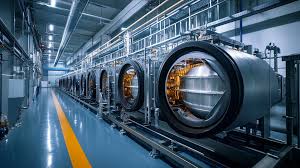
A vacuum dryer has become one of the most important and efficient tools across industries that require gentle, reliable, and precise drying. As global manufacturing progresses toward higher quality standards, better energy efficiency, and improved product integrity, traditional drying methods like sun drying or hot-air drying no longer meet the needs of modern production. Instead, vacuum drying offers a solution that preserves sensitive materials, accelerates moisture removal, and ensures consistency and cleanliness.
Today, vacuum dryers are widely used in food processing, pharmaceuticals, chemicals, nutraceuticals, cosmetics, agricultural products, and laboratory research. They provide low-temperature drying in an oxygen-reduced environment, making them ideal for materials that degrade, oxidize, or discolor under normal atmospheric conditions. With technological advancements and growing industrial demands, the vacuum dryer continues to gain popularity for its capability to deliver superior drying performance.
How a Vacuum Dryer Works
A vacuum dryer operates by lowering the pressure inside the drying chamber. When air pressure decreases, the boiling point of water drops drastically. This allows moisture in the product to evaporate at temperatures far lower than 100°C. As a result, heat-sensitive materials can be dried without being exposed to damaging high temperatures.
The basic process involves:
- Placing the material inside a sealed chamber
- Reducing the internal pressure using a vacuum pump
- Applying controlled heat through conduction, radiation, or microwaves
- Allowing moisture to evaporate at reduced temperature
- Removing vapor efficiently through vacuum pressure
This combination of gentle heat and low pressure achieves faster, cleaner, and more controlled drying compared to traditional methods.
Why Industries Use Vacuum Dryers
1. Low-Temperature Drying Protects Sensitive Materials
Many materials cannot tolerate high heat. Pharmaceuticals, nutraceuticals, herbal extracts, fruits, chemicals, and biological samples often degrade or lose their functional properties during regular drying. A vacuum dryer allows moisture to evaporate at 30–50°C, preventing thermal breakdown of:
- Vitamins
- Enzymes
- Essential oils
- Bioactive compounds
- Aromatic substances
- Heat-sensitive chemicals
This makes the vacuum dryer extremely valuable for industries that depend on product purity and stability.
2. Prevention of Oxidation
Oxygen exposure leads to oxidation, browning, flavor changes, and nutrient loss. Since vacuum drying occurs in an oxygen-poor environment, it minimizes:
- Color degradation
- Rancidity in oils
- Nutrient loss
- Chemical reactions with air
- Quality deterioration
For products like herbal powders, spices, plant extracts, and pharmaceutical materials, preserving natural color and chemical integrity is essential. Vacuum drying provides this protection naturally.
3. Faster Drying with Lower Energy Consumption
Even though drying occurs at reduced temperatures, moisture evaporates quickly under vacuum conditions. Traditional drying methods require heating large amounts of air and maintaining high temperatures, which wastes energy. Vacuum drying focuses energy directly on the product, reducing:
- Drying time
- Energy consumption
- Operational costs
- Production bottlenecks
Manufacturers benefit from higher throughput and lower expenses.
4. Improved Product Quality
Vacuum drying maintains the aesthetic and structural integrity of materials. It reduces shrinkage, prevents surface hardening, and allows internal moisture to escape uniformly. As a result, products often maintain their:
- Shape
- Texture
- Aroma
- Color
- Natural composition
This is crucial for food, botanical ingredients, and premium-grade pharmaceuticals or chemicals.
5. Cleaner and More Hygienic Processing
Vacuum dryers operate in a sealed, controlled environment that prevents contamination from dust, microbes, or airborne particles. Lower oxygen levels also inhibit microbial growth. This makes vacuum drying ideal for:
- Sterile pharmaceutical ingredients
- High-purity chemicals
- Herbal preparations
- Sensitive food ingredients
- Laboratory samples
Industries that require strict hygiene depend heavily on vacuum dryers.
Types of Vacuum Dryers
Vacuum Tray Dryers
Materials are placed on trays inside a heated chamber. These dryers are commonly used in pharmaceuticals and foods where batch processing and gentle handling are required.
Rotary Vacuum Dryers
These dryers rotate the chamber, ensuring uniform mixing and drying. They are ideal for powders, granules, and materials that benefit from continuous turning.
Vacuum Shelf Dryers
These systems use shelves for conduction heating. They are suitable for delicate materials that require even heat distribution.
Microwave Vacuum Dryers
An advanced type, microwave vacuum dryers combine vacuum drying with microwave heating for extremely fast and uniform drying. They are popular in high-value food and herbal industries.
Applications Across Industries
Food Processing
Vacuum drying is widely used for heat-sensitive foods such as:
- Fruits
- Vegetables
- Spices
- Herbal teas
- Cheese powders
- Instant meals
It helps maintain flavor, aroma, and nutritional value.
Pharmaceuticals
Vacuum dryers are essential for drying:
- Active pharmaceutical ingredients
- Intermediates
- Extracts
- Antibiotics
- Enzymes
The process ensures purity, potency, and stability.
Nutraceuticals and Herbal Products
Many herbal compounds degrade easily. Vacuum drying helps preserve their medicinal properties, making it ideal for:
- Botanicals
- Essential oil products
- Herbal powders
- Functional foods
Chemical Industry
Vacuum dryers help prevent oxidation and degradation in:
- Polymers
- Catalysts
- Fine chemicals
- Heat-sensitive compounds
Cosmetics and Personal Care
Used for drying active ingredients in:
- Serums
- Cream additives
- Plant extracts
- Natural pigments
Advantages for Manufacturers
- Higher product yield
- Improved quality control
- Consistent results
- Reduced drying time
- Lower operational cost
- Minimal nutrient or compound loss
These advantages make the vacuum dryer a key asset for companies focused on efficiency and premium-grade output.
Future of Vacuum Drying Technology
As industries move toward natural, functional, and high-value products, vacuum drying will play an even larger role. Innovations like microwave vacuum systems, automated monitoring, smart temperature control, and energy-optimized pumps are expected to make vacuum dryers more efficient, environmentally friendly, and precise.
Manufacturers pursuing long-term quality and efficiency improvements will increasingly adopt vacuum dryers as part of their core processing systems.