
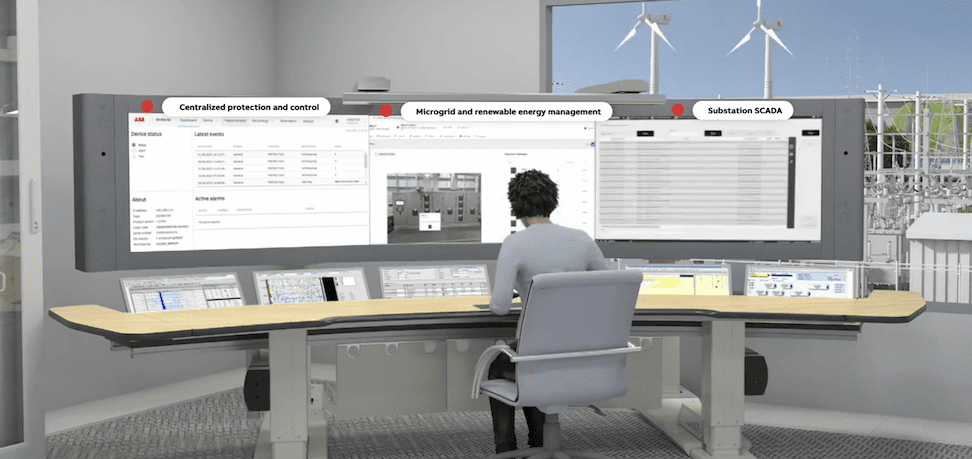
The transformation of traditional power systems into digital substations marks a new era of efficiency, automation, and reliability. As the energy landscape evolves, utilities and industries are focusing on upgrading SCADA & Protection systems to enhance performance and ensure seamless data integration. These upgrades not only improve control and monitoring capabilities but also strengthen system protection against modern electrical and cyber challenges. With advanced communication protocols, intelligent electronic devices (IEDs), and automation tools, digital substations are redefining how energy systems operate and respond. This modernization ensures optimized asset management, real-time decision-making, and reduced downtime across electrical networks.
Understanding SCADA & Protection in Substations
SCADA (Supervisory Control and Data Acquisition) serves as the backbone of power system automation, enabling operators to monitor and control equipment from a centralized location. On the other hand, Protection systems are responsible for detecting faults, isolating problems, and safeguarding equipment from damage.
When combined, these systems create a synchronized environment where:
- Operators can access real-time data from field devices.
- Protective relays act within milliseconds during system faults.
- Communication networks ensure data flows efficiently between devices and control centers.
In digital substations, SCADA & Protection systems are integrated using modern protocols like IEC 61850, ensuring fast and secure data exchange between IEDs.
Why Upgrading SCADA & Protection Is Essential
The need to upgrade SCADA & Protection systems arises due to several operational and technological factors:
- Aging Infrastructure:
Many substations still rely on legacy systems that lack compatibility with modern technologies and face reliability issues. - Cybersecurity Concerns:
As substations become more connected, the risk of cyberattacks increases. Upgrading ensures enhanced network protection and data encryption. - Integration with Renewable Energy:
Digital substations must manage variable energy sources like solar and wind. Modern SCADA systems support real-time balancing and grid stability. - Improved Fault Detection:
New protection schemes offer precise fault location and faster isolation, minimizing outage durations. - Data-Driven Decision Making:
Upgraded systems collect and analyze data for predictive maintenance, improving asset longevity and operational efficiency.
Key Components of a Modern SCADA & Protection System
Upgrading to digital infrastructure involves integrating several advanced components, each contributing to system intelligence and resilience.
1. Intelligent Electronic Devices (IEDs):
- Perform protection, control, and monitoring functions directly in the substation.
- Communicate through Ethernet-based networks, reducing wiring complexity.
2. Merging Units:
- Convert analog signals from sensors to digital data for faster and more accurate transmission.
3. Communication Networks:
- Fiber-optic networks provide high-speed and noise-free communication between devices.
4. Human-Machine Interface (HMI):
- Offers real-time visualization and control for operators, improving situational awareness.
5. Cybersecurity Systems:
- Incorporate firewalls, intrusion detection, and encryption to secure digital communication channels.
Benefits of Upgrading SCADA & Protection Systems
Enhancing SCADA & Protection for digital substations offers numerous operational and strategic advantages.
• Enhanced Reliability:
Digital substations experience fewer system failures due to faster fault detection and automated protection mechanisms.
• Better Asset Management:
Continuous monitoring allows early identification of wear or faults, reducing maintenance costs.
• Real-Time Visibility:
Operators can instantly view performance metrics and event logs, improving decision-making speed.
• Seamless Scalability:
New systems support future expansions, allowing easy integration of additional sensors, relays, or renewable sources.
• Cost Efficiency:
Digital automation reduces manual interventions and improves overall operational efficiency.
Steps Involved in Upgrading SCADA & Protection
A structured approach ensures successful implementation with minimal disruption to existing operations.
Step 1: System Assessment
- Analyze existing equipment, data flow, and protection coordination to identify upgrade needs.
Step 2: Planning & Design
- Develop a detailed roadmap, including hardware selection, communication protocols, and network architecture.
Step 3: Equipment Integration
- Install IEDs, merging units, and communication networks compatible with IEC 61850 standards.
Step 4: Testing & Commissioning
- Conduct functional and interoperability tests to ensure seamless communication and protection performance.
Step 5: Training & Maintenance
- Provide training for operators and engineers to efficiently manage and maintain the upgraded systems.
Challenges in SCADA & Protection Upgrades
While the transition to digital substations is promising, it comes with a few challenges that need strategic handling:
- Compatibility Issues: Integrating modern IEDs with legacy equipment can be complex.
- Cybersecurity Risks: Expanded digital connectivity demands robust security frameworks.
- Cost Factors: Initial investment for new equipment, software, and training can be high.
- Skill Gaps: Upgraded systems require trained professionals familiar with digital automation.
Addressing these challenges through expert planning and phased implementation ensures long-term reliability and performance improvement.
The Future of SCADA & Protection in Digital Substations
As power systems evolve, SCADA & Protection will continue to play a central role in enabling intelligent grid management. Future substations will rely heavily on AI-driven analytics, cloud-based SCADA platforms, and predictive protection algorithms. This evolution will lead to greater automation, improved fault resilience, and reduced downtime — essential for sustainable and efficient energy distribution.
About Keentel Engineering
Keentel Engineering is a trusted name in electrical automation, offering specialized solutions for SCADA & Protection system design, integration, and upgrades. The company provides end-to-end support for digital substation modernization — from planning and configuration to implementation and maintenance. Keentel Engineering’s team of experts ensures reliable communication networks, enhanced system protection, and compliance with international standards such as IEC 61850. With a commitment to innovation and precision, Keentel Engineering continues to help utilities and industries transition smoothly into the digital power era, ensuring smarter, safer, and more sustainable electrical networks.