
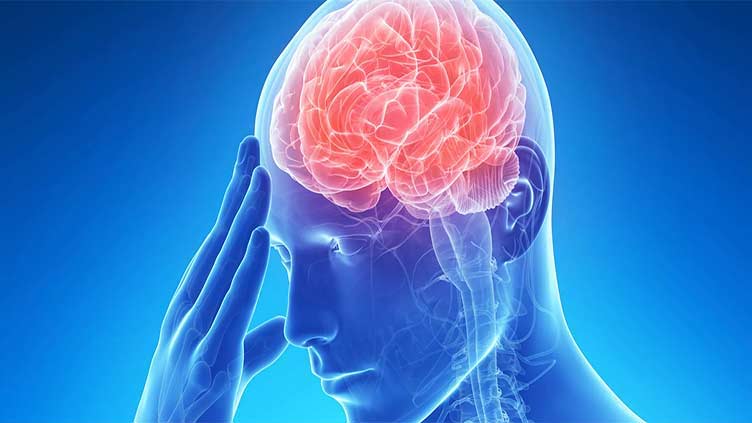
Chronic stress has become a widespread concern in modern life, affecting people across all age groups and lifestyles. Unlike short bursts of stress that can motivate action, long-term stress persists and gradually influences how individuals think, feel, and function each day. Over time, it can reshape routines, relationships, and overall quality of life in subtle but significant ways.
Many individuals do not immediately recognize how deeply stress is affecting them. It often builds slowly through ongoing pressures at work, financial strain, or personal responsibilities. Understanding the impact of chronic stress is essential for identifying early warning signs and making informed decisions about health and lifestyle changes.
What Makes Stress “Chronic”?
Stress becomes chronic when the body’s stress response remains activated for long periods without sufficient recovery. Normally, stress hormones like cortisol and adrenaline help individuals respond to immediate challenges. However, when these hormones remain elevated, they begin to disrupt the body’s natural balance.
Unlike temporary stress, chronic stress does not fade once a problem is resolved. Instead, it continues even in everyday situations, making routine tasks feel more overwhelming than they should.
How Chronic Stress Affects Daily Functioning
Chronic stress influences daily life in ways that are often underestimated. It does not only affect major health outcomes but also changes how people perform routine activities and interact with others.
One of the most common effects is reduced energy levels. Individuals may feel constantly tired even after adequate rest. Concentration also becomes difficult, leading to decreased productivity at work or school.
Emotional regulation is another area that is affected. People under chronic stress may experience increased irritability, mood swings, or difficulty staying patient in normal conversations. Over time, this can strain personal and professional relationships.
Physical Health Consequences
The physical effects of long-term stress are extensive and can gradually worsen if not addressed. One of the most affected systems is the cardiovascular system. Constant stress can elevate blood pressure and heart rate, increasing long-term risks for heart-related conditions.
The immune system is also impacted. When the body remains in a stressed state, its ability to fight infections becomes weaker, making individuals more prone to frequent illnesses.
Digestive health is another area commonly affected. Stress can interfere with normal digestion, leading to discomfort, irregular appetite, and conditions such as acid reflux or irritable bowel syndrome.
Sleep disruption is also highly common. Many individuals struggle to fall asleep due to racing thoughts or wake up frequently during the night, which further reduces energy and increases stress sensitivity.
Mental and Emotional Effects
Chronic stress has a strong connection with mental health challenges. Over time, it can contribute to anxiety and depression by altering brain chemistry and emotional regulation systems.
People experiencing long-term stress often report persistent worry, sadness, or a sense of being overwhelmed. These emotional patterns can become difficult to break without intervention.
Cognitive functions are also affected. Memory problems, difficulty focusing, and reduced decision-making ability are common symptoms. This can make even simple tasks feel mentally exhausting.
Social and Lifestyle Impact
Beyond physical and mental health, chronic stress can influence how individuals engage with their social environment. People may begin to withdraw from social activities or avoid interactions due to fatigue or emotional strain.
Work-life balance is also affected. Stress can make it harder to separate professional responsibilities from personal time, leading to burnout. Over time, this imbalance may reduce overall life satisfaction.
Unhealthy coping mechanisms may also develop. Some individuals turn to overeating, excessive screen time, or other behaviors that provide temporary relief but worsen long-term well-being.
Recognizing the Warning Signs
Identifying chronic stress early is important for preventing long-term complications. Common signs include:
- Persistent fatigue or low energy
- Frequent headaches or muscle tension
- Difficulty sleeping or staying asleep
- Irritability or emotional sensitivity
- Trouble concentrating or remembering details
- Changes in appetite or eating habits
These symptoms often appear gradually, making them easy to overlook at first.
Managing Chronic Stress in Everyday Life
Although stress is unavoidable, its long-term effects can be managed through consistent lifestyle changes. Regular physical activity is one of the most effective ways to reduce stress hormones and improve mood.
Maintaining a structured sleep routine also helps the body recover and restore balance. Practices such as mindfulness, deep breathing, or meditation can further calm the nervous system.
Social support plays an important role as well. Talking with friends, family members, or professionals can help individuals process emotions and gain perspective on stressful situations.
Setting realistic expectations and boundaries is equally important. Learning to prioritize tasks and avoid overcommitment can significantly reduce daily pressure.
Conclusion
Chronic stress is more than a temporary emotional state; it is a long-term condition that can influence nearly every aspect of daily life. From physical health challenges to emotional strain and reduced productivity, its effects are wide-ranging and often interconnected. By recognizing the signs early and adopting healthier coping strategies, individuals can reduce its impact and improve their overall quality of life.