
When it comes to power tools, the impact wrench and drill are two of the most commonly used, yet they serve different purposes in the world of construction, automotive repair, and home improvement. Both tools have their unique functionalities, designs, and ideal applications. Understanding the differences between them is crucial for selecting the right tool for your specific needs. In this article, we will delve into what each tool is, how they work, their applications, and their advantages and disadvantages.
What is a Drill?
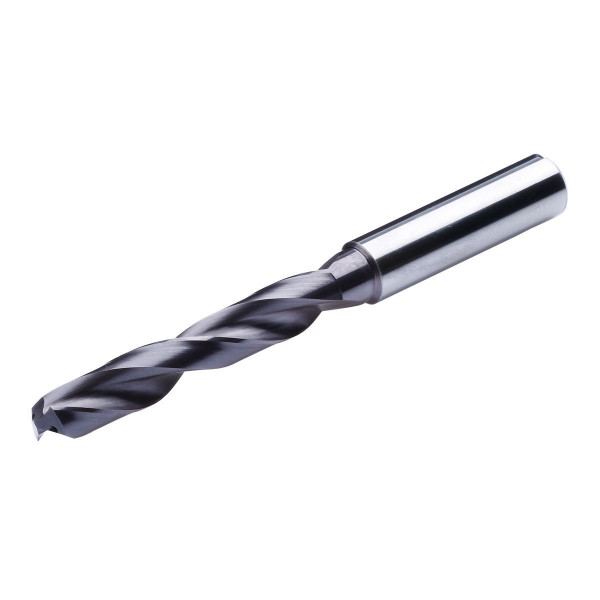
A drill or Power Drill is a versatile tool commonly used for making holes in various materials like wood, metal, plastic, and masonry. It is primarily designed to rotate a drill bit, which cuts through the material to create a hole. Drills can be corded or cordless and come in various types, including regular drills, hammer drills, and cordless drill/driver models.
Key Features of Drills:
- Rotational Movement: Drills rely on rotational movement, allowing them to easily bore holes.
- Variable Speed Control: Many drills feature variable speed settings, enabling users to adjust the speed according to the material being drilled.
- Chuck: Drills have a chuck that holds the drill bit in place; this can often be changed to accommodate different sizes of bits.
- Clutch Settings: Cordless drills frequently come with clutch settings, which help prevent overdriving screws and protect the tool.
Applications of Drills:
- Creating holes for screws, anchors, or fasteners.
- Drilling into different materials for construction or home improvement projects.
- Driving screws, especially with a drill/driver combination.
- Light masonry work when using a hammer drill.
Advantages:
- Versatile for various materials.
- Ideal for both drilling holes and driving screws.
- Combinations of features like variable speed and clutch settings enhance usability.
Disadvantages:
- Limited in driving power, especially for heavy-duty applications.
- Not designed for high-torque applications like loosening stubborn bolts.
What is an Impact Wrench?
An impact wrench, also known as an impact gun or torque wrench, is a power tool specifically designed to deliver high torque output with minimal exertion from the user. It achieves this through a combination of rotational motion and impacts that are applied at high speed, making it ideal for loosening and tightening large, tight bolts and nuts.
Key Features of Impact Wrenches:
- Impact Mechanism: Impact wrenches use a hammer and anvil mechanism to produce rapid bursts of rotational force, resulting in high torque.
- Socket Drive: Unlike drills that use bits, impact wrenches use interchangeable sockets to fit different nut and bolt sizes.
- Torque Ratings: Impact wrenches are typically rated by their torque output, measured in foot-pounds (ft-lb) or Newton-meters (Nm).
- One-speed or Multi-speed: While most impact wrenches have a single speed, some models feature variable speed settings.
Applications of Impact Wrenches:
- Automotive applications, such as changing tires and maintaining vehicles.
- Heavy-duty construction projects, including assembly and disassembly of machinery.
- Industrial applications where bolts must be regularly tightened or loosened.
Advantages:
- Exceptional torque output, making it capable of handling large nuts and bolts with ease.
- Reduces the risk of stripping fasteners due to the impact mechanism.
- Can operate in tight spaces where conventional wrenches may be ineffective.
Disadvantages:
- Limited functionality for drilling or driving screws effectively.
- Generally heavier and bulkier than standard drills.
- Can be overkill for lighter applications, resulting in damaged fasteners if not used carefully.
Key Differences Between Impact Wrench and Drill
| Feature | Drill | Impact Wrench |
| Primary Purpose | Drilling holes and driving screws | Loosening/tightening bolts & nuts |
| Mechanism | Rotational movement | Hammer and anvil impact mechanism |
| Torque | Moderate torque | High torque |
| Chuck/Socket | Uses bits | Uses sockets |
| Speed Control | Variable speed options | Typically has one or two speed settings |
| Weight | Generally lighter | Typically heavier |
| Applications | Versatile; general DIY | Specialized; heavy-duty tasks |
Conclusion
Choosing between an impact wrench and a drill largely depends on the specific tasks you aim to accomplish. If your project involves drilling holes and driving screws into various materials, a drill is the better option. However, if you need to work with heavy machinery or automotive tasks involving large bolts and nuts, an impact wrench is indispensable. Understanding the key differences and applications of each tool can significantly enhance your efficiency and effectiveness in both professional and DIY projects. Ultimately, having both of these tools in your arsenal will provide you with the versatility needed for a wide range of applications.
