

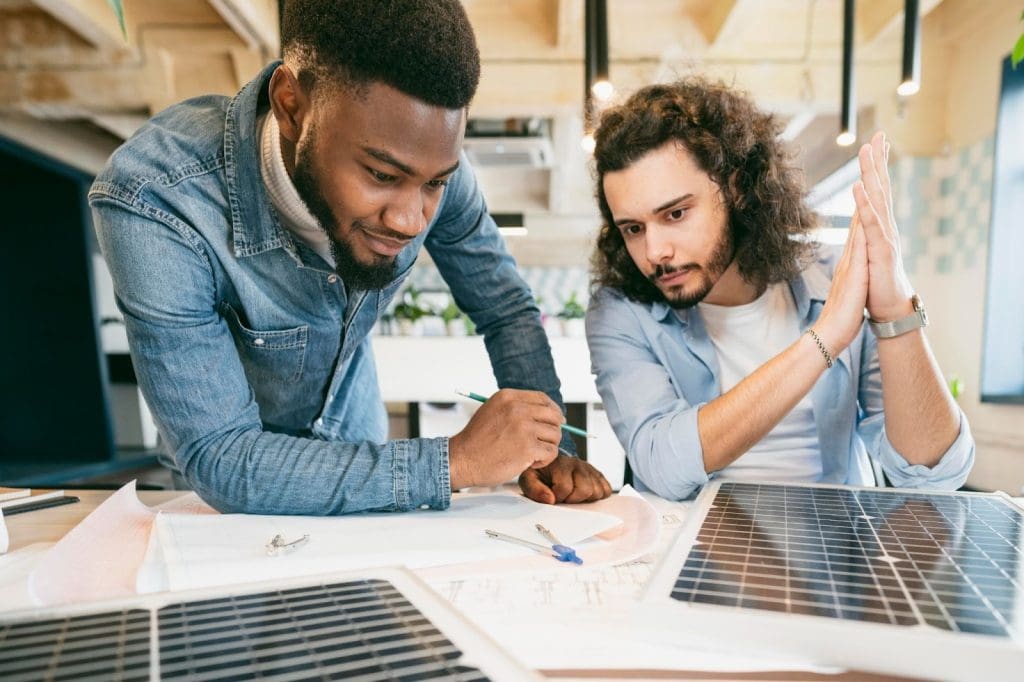
Solar energy has become a practical choice for many homeowners and businesses. It promises lower energy bills and a cleaner environment. But not all solar systems are created equal. Understanding solar efficiency helps you make smart decisions and get the most from your investment.
What Is Solar Efficiency?
Solar efficiency is the measure of how well solar panels convert sunlight into usable electricity. Higher efficiency means more power from the same amount of sunlight. Most modern solar panels offer efficiency between 15% and 22%. Panels with higher efficiency are often smaller, which is useful for limited roof space.
Efficiency is affected by the type of panel, sunlight intensity, and the angle at which sunlight hits the panel. Even minor shading from trees, chimneys, or nearby buildings can reduce performance.
Factors That Affect Solar Panel Performance
Sunlight Exposure
Direct sunlight produces the most energy. Panels facing south usually capture the most sunlight in the northern hemisphere. East and west-facing panels work, but output may be lower. Seasonal changes also affect sunlight exposure.
Temperature
Hotter temperatures can reduce panel efficiency. Most solar panels operate best around 25°C. If panels are exposed to intense heat, they can lose a few percentage points in performance. Proper ventilation and spacing help keep panels cool.
Quality of Panels
Not all panels are made the same. Premium panels often use higher quality cells and materials. They may last longer and maintain efficiency better over time. Cheaper panels might degrade faster and lose output sooner.
Angle and Tilt
The tilt of your panels affects how much sunlight they capture. Fixed panels are usually installed at an angle equal to your latitude. Adjustable mounts can improve efficiency by allowing seasonal changes in tilt.
Maintenance
Solar panels require minimal upkeep but should be cleaned occasionally. Dust, dirt, and leaves can block sunlight and reduce efficiency. Regular inspections ensure all panels are functioning properly.
The Role of Solar Installation
A well-done solar installation is crucial for efficiency. Poor installation can lead to wiring losses, shading issues, or incorrect angles. Choosing an experienced installer ensures panels are positioned correctly and connected efficiently.
Proper installation also considers safety. Panels must withstand wind, snow, and other environmental factors. Electrical components should be securely connected to prevent energy loss or hazards.
Energy Storage With Solar Batteries
Solar batteries store excess electricity for use when sunlight is low or at night. Using solar batteries can increase overall energy efficiency by reducing dependence on the grid.
There are several types of solar batteries. Lithium-ion batteries are common because of their long lifespan and high energy density. Lead-acid batteries are cheaper but larger and less efficient.
Monitoring and Optimizing Performance
Modern systems often include monitoring tools to track performance. You can see how much energy is produced daily and identify issues quickly. Smart energy management helps maximize efficiency by storing or using energy when needed.
Optimizing performance may also involve adding more panels or upgrading batteries over time. Energy needs can change, and a flexible system can adapt without a full replacement.
Tips for Maximizing Efficiency
- Choose quality panels – Higher quality often leads to better long-term performance.
- Ensure proper orientation – Panels should face the direction that receives maximum sunlight.
- Keep panels clean – Simple cleaning prevents dust and debris from reducing output.
- Use solar batteries wisely – Store energy for peak usage times to avoid grid dependency.
- Schedule inspections – Routine checks prevent unnoticed performance drops.
Common Myths About Solar Efficiency
Some believe solar panels don’t work on cloudy days. While clouds reduce sunlight, panels still generate energy. Another misconception is that panels require constant cleaning. Light dust rarely affects output significantly; heavy dirt or snow is the main concern.
Why Efficiency Matters More Than Size
Many think a larger system always produces more power. While size matters, efficiency determines how well that system converts sunlight into electricity. Two systems of the same size may produce very different amounts of power if one uses higher efficiency panels.
This is particularly important for roofs with limited space. Installing smaller, highly efficient panels can produce the same power as a larger, less efficient system.
Planning for the Future
When investing in solar, consider long-term performance. Systems with high efficiency and reliable batteries provide better value over 20 years or more. Planning ahead may also allow for future expansions if energy needs grow.
For instance, integrating additional panels or solar batteries later can enhance performance without replacing the original system. This approach is cost-effective and ensures energy security.
Conclusion
Solar efficiency is about more than just panels. Proper installation, placement, maintenance, and storage all play critical roles. Investing in quality panels and solar batteries, and working with experienced installers, ensures your system performs well for years.
Understanding how your system works allows you to maximize energy output and reduce reliance on the grid. By focusing on efficiency rather than size alone, you can enjoy consistent, cost-effective, and environmentally friendly energy for your home or business.
A well-planned solar system offers peace of mind, predictable energy costs, and a step toward a sustainable future.