
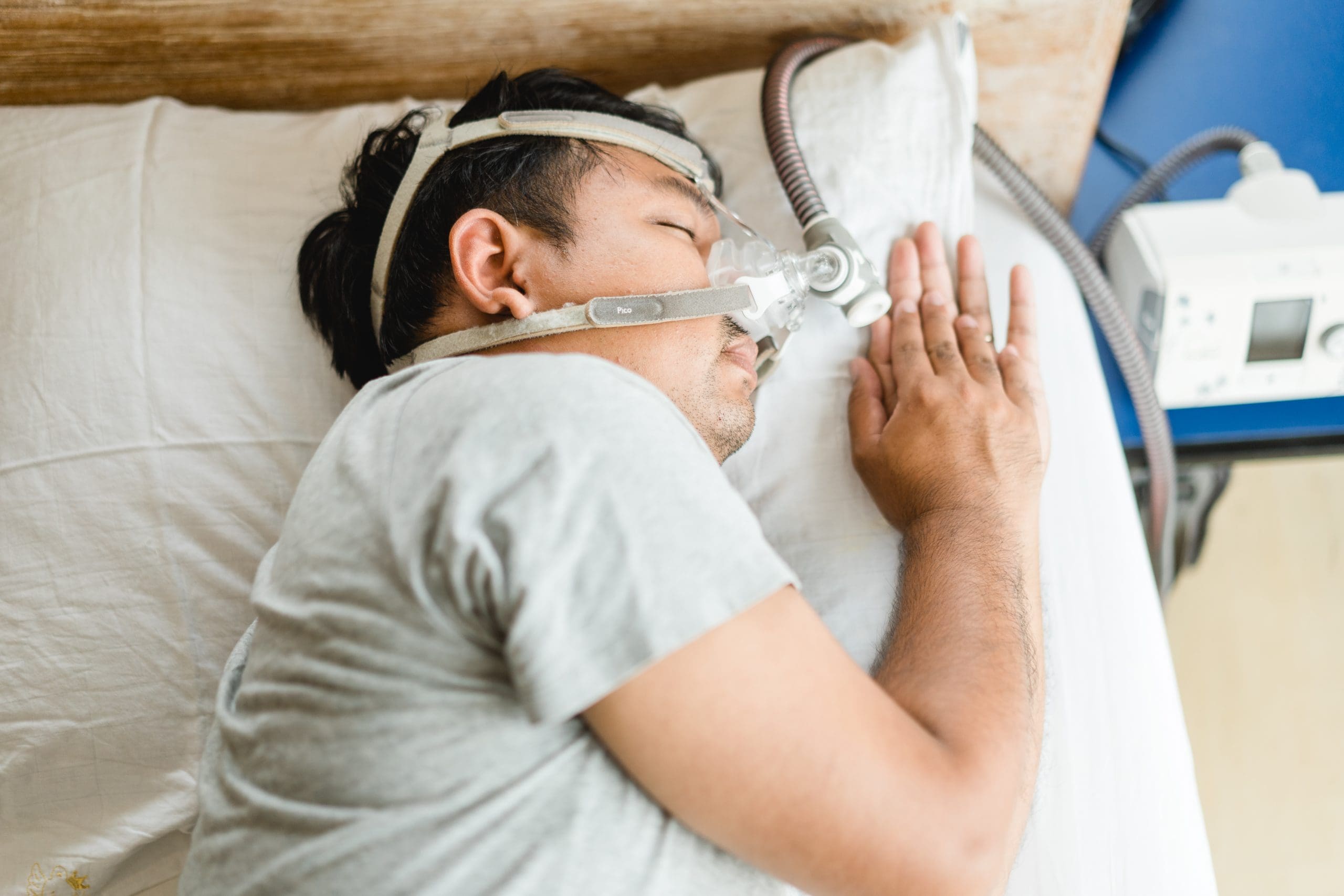
Sleep is vital for maintaining good health and overall well-being. However, when breathing interruptions disturb your rest, it can lead to a condition known as sleep apnoea. This disorder affects millions worldwide and often goes undiagnosed for years, silently impacting physical and mental health. Understanding sleep apnoea and the importance of proper treatment can significantly improve one’s quality of life and reduce the risk of serious health complications.
What Is Sleep Apnoea?
Sleep apnoea is a sleep disorder in which breathing repeatedly stops and starts during sleep. These interruptions, known as apnoeas, can last from a few seconds to minutes and may occur multiple times throughout the night. Over time, this constant disruption prevents the body from getting enough oxygen, leading to fatigue, cardiovascular problems, and other serious health issues.
There are two main types of sleep apnoea:
- Obstructive Sleep Apnoea (OSA): The most common form, caused by the relaxation of throat muscles that block the airway.
- Central Sleep Apnoea: Less common, this type occurs when the brain fails to send proper signals to the muscles that control breathing.
Understanding which type you have is crucial for selecting the most effective Sleep Apnoea Treatment and restoring healthy sleep patterns.
Common Causes of Sleep Apnoea
Several factors can contribute to the development of sleep apnoea. While it can affect anyone, certain lifestyle habits, anatomical traits, and medical conditions increase the risk. Some of the most common causes include:
- Excess Weight: Obesity is a leading cause, as fat deposits around the upper airway can obstruct breathing.
- Anatomical Structure: Narrow airways, enlarged tonsils, or a deviated septum may contribute to airway blockage.
- Age: The risk increases with age due to natural muscle weakening around the throat.
- Gender: Men are more prone to sleep apnoea than women, though postmenopausal women also face increased risk.
- Family History: Genetics can play a role in airway structure or muscle tone.
- Alcohol and Sedatives: These substances relax the throat muscles, increasing the likelihood of obstruction.
- Smoking: Tobacco use inflames the upper airway, leading to breathing difficulties during sleep.
Recognizing the Symptoms
Sleep apnoea often goes unnoticed because many of its symptoms occur during sleep. However, several warning signs can indicate the condition:
- Loud, chronic snoring
- Episodes of stopped breathing during sleep (often reported by a partner)
- Gasping or choking sounds while sleeping
- Morning headaches or dry mouth
- Daytime sleepiness and fatigue
- Difficulty concentrating or memory problems
- Mood swings, irritability, or depression
- Insomnia or restless sleep
If you experience several of these symptoms consistently, it’s important to seek professional evaluation. Early detection can prevent more serious complications such as heart disease, high blood pressure, or diabetes.
How Sleep Apnoea Is Diagnosed
Diagnosing sleep apnoea usually involves a detailed medical history, physical examination, and a sleep study (polysomnography). During a sleep study, various body functions—such as brain waves, oxygen levels, heart rate, and breathing patterns—are monitored overnight. Home-based sleep tests are also available for mild cases.
Based on the results, a healthcare professional can determine the severity of the disorder and recommend an appropriate treatment plan.
Effective Treatment Options
The good news is that sleep apnoea is treatable. The goal of treatment is to restore normal breathing during sleep, reduce symptoms, and prevent long-term health complications. Depending on the severity and underlying causes, the following treatment options may be recommended:
1. Lifestyle Modifications
For mild cases, making small but significant lifestyle changes can improve symptoms:
- Maintain a healthy weight to reduce pressure on the airway.
- Avoid alcohol and sedatives before bedtime.
- Sleep on your side rather than your back.
- Quit smoking to improve airflow.
- Establish a regular sleep schedule for consistent rest.
2. Continuous Positive Airway Pressure (CPAP)
CPAP therapy is one of the most common and effective treatments for moderate to severe sleep apnoea. A CPAP machine delivers a steady stream of air through a mask, keeping the airway open throughout the night. Although it may take some adjustment, CPAP can dramatically improve sleep quality and reduce daytime fatigue.
3. Oral Appliances
Custom-made dental devices can help reposition the jaw and tongue to prevent airway collapse during sleep. These are particularly effective for individuals with mild to moderate obstructive sleep apnoea or those unable to tolerate CPAP therapy.
4. Surgery
In some cases, surgical intervention may be necessary to correct structural abnormalities causing obstruction. Surgical options may include removing excess tissue, repositioning the jaw, or correcting nasal passage issues. Surgery is usually considered after other treatments have failed.
5. Positional Therapy
For people whose apnoea worsens when lying on their back, positional therapy can be beneficial. This involves techniques or devices that encourage sleeping on one’s side, reducing airway collapse.
6. Oxygen Therapy and Medication
For central sleep apnoea, oxygen therapy or medications that stimulate breathing may be prescribed. These treatments help regulate oxygen levels and ensure more consistent breathing patterns during sleep.
The Link Between Sleep Apnoea and Overall Health
Untreated sleep apnoea can significantly impact both physical and mental health. The repeated oxygen deprivation throughout the night can increase the risk of:
- High blood pressure and heart disease
- Stroke and irregular heartbeat
- Type 2 diabetes
- Chronic fatigue and poor concentration
- Depression and anxiety
Addressing sleep apnoea early not only improves sleep quality but also enhances overall wellness, energy, and productivity.
Tips for Better Sleep Hygiene
Even with treatment, adopting good sleep habits can enhance the effectiveness of sleep apnoea management:
- Create a calm, dark, and cool sleep environment.
- Avoid caffeine or heavy meals close to bedtime.
- Limit screen time before sleeping to reduce blue light exposure.
- Engage in relaxing activities such as meditation or reading before bed.
- Stick to consistent sleep and wake times.
When to Seek Professional Help
If you snore loudly, wake up feeling tired despite a full night’s rest, or notice signs of interrupted breathing, it’s time to consult a healthcare provider. Early intervention can prevent complications and significantly improve quality of life. Sleep apnoea is a manageable condition, but it requires timely diagnosis and commitment to treatment.
Final Thoughts
Sleep apnoea is more than just a nighttime nuisance—it’s a health concern that demands attention. Understanding the symptoms, causes, and treatment options empowers individuals to take control of their well-being. Whether through lifestyle changes, medical devices, or professional therapies, effective sleep apnoea management can restore restful nights and healthier days.
By prioritizing proper diagnosis and consistent treatment, individuals can achieve deeper, more restorative sleep—laying the foundation for better health, sharper focus, and improved quality of life.