
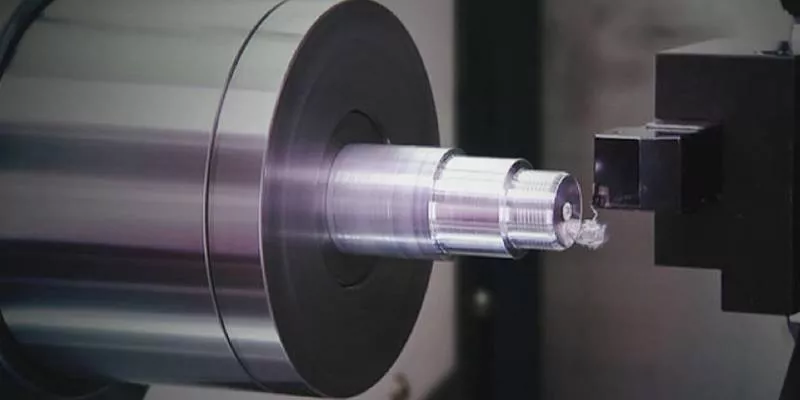
Precision machining has evolved significantly with the advancement of computer numerical control (CNC) technology. Among the many machines used in modern manufacturing, the 2 axis CNC lathe stands out as a reliable and efficient tool for producing accurate cylindrical components. Industries such as automotive, aerospace, medical device manufacturing, and electronics rely on this machine to achieve consistent results, reduce human error, and streamline production processes.
One of the key advantages of CNC machining is its ability to automate complex cutting operations while maintaining tight tolerances. A well-designed 2 Axis CNC Lathe allows operators to control movements along the X and Z axes, enabling precise shaping, turning, and finishing of materials such as metal, plastic, and composites. This capability not only improves productivity but also ensures uniformity across large production runs, making it a preferred solution for manufacturers focused on quality and efficiency.
Improved Accuracy and Consistency
Accuracy is one of the most important factors in precision machining. Traditional manual lathes depend heavily on the skill and experience of the operator, which can lead to variations in the final product. In contrast, a 2 axis CNC lathe uses programmed instructions to perform operations with extremely high precision.
Once the machine is programmed, it can repeat the same operation countless times without deviation. This level of consistency is crucial for industries that require identical parts, such as automotive components, shafts, bushings, and threaded elements. By minimizing human error, manufacturers can maintain strict quality standards and reduce the need for rework or rejected parts.
Increased Production Efficiency
Another significant benefit of using a 2 axis CNC lathe is the improvement in production speed and efficiency. CNC machines can operate continuously with minimal supervision, allowing manufacturers to produce parts faster than with manual equipment. The automation of cutting, turning, and finishing processes helps reduce downtime and increases overall throughput.
Additionally, CNC lathes can perform multiple operations in a single setup. This reduces the need to reposition the workpiece, saving time and ensuring better alignment. As a result, manufacturers can meet tight production schedules while maintaining a high level of precision.
Cost-Effective Manufacturing
Although CNC machines require an initial investment, they often lead to long-term cost savings. A 2 axis CNC lathe helps reduce labor costs because fewer operators are needed to oversee the machining process. Once the program is created and tested, the machine can handle repetitive tasks efficiently.
Material waste is also minimized due to accurate cutting and controlled machining operations. This means manufacturers can use raw materials more efficiently and avoid unnecessary expenses. Over time, the combination of reduced labor, improved productivity, and lower waste contributes to a more cost-effective manufacturing process.
Versatility in Machining Operations
A major advantage of the 2 axis CNC lathe is its versatility. It can handle a wide range of machining tasks, including turning, facing, drilling, boring, and threading. This flexibility makes it suitable for producing both simple and moderately complex parts.
Manufacturers working with different materials can also benefit from the adaptability of the machine. Whether the project involves aluminum, stainless steel, brass, or engineering plastics, a CNC lathe can be programmed to accommodate the specific machining requirements of each material.
Furthermore, the ability to quickly change programs allows manufacturers to switch between product designs without significant delays. This is particularly valuable for companies that handle custom orders or small-batch production.
Enhanced Safety and Operator Control
Safety is another important consideration in modern machining environments. CNC machines are designed with protective enclosures, automated controls, and safety features that help reduce the risk of accidents. Operators can monitor the process through control panels and make adjustments without direct contact with moving parts.
Because most of the cutting operations are automated, the operator’s role shifts from manual machining to supervision and quality control. This not only improves workplace safety but also allows skilled workers to focus on optimizing production and improving machining strategies.
Better Integration with Modern Manufacturing Systems
Modern manufacturing increasingly relies on digital integration and smart production systems. A 2 axis CNC lathe can easily be incorporated into computer-aided design (CAD) and computer-aided manufacturing (CAM) workflows. Engineers can design parts digitally, convert them into machine instructions, and execute them directly on the CNC lathe.
This seamless integration reduces the chances of design errors and shortens the time between product design and manufacturing. It also supports advanced manufacturing methods such as prototyping, customization, and rapid production.
Conclusion
The use of a 2 axis CNC lathe in precision machining offers numerous advantages for manufacturers seeking accuracy, efficiency, and reliability. From consistent production and reduced waste to improved safety and versatility, this machine plays a critical role in modern manufacturing operations. As industries continue to demand higher precision and faster production times, CNC technology will remain an essential component of advanced machining processes. By investing in the right equipment and leveraging automated systems, manufacturers can maintain competitive advantages while delivering high-quality components to meet market demands.