
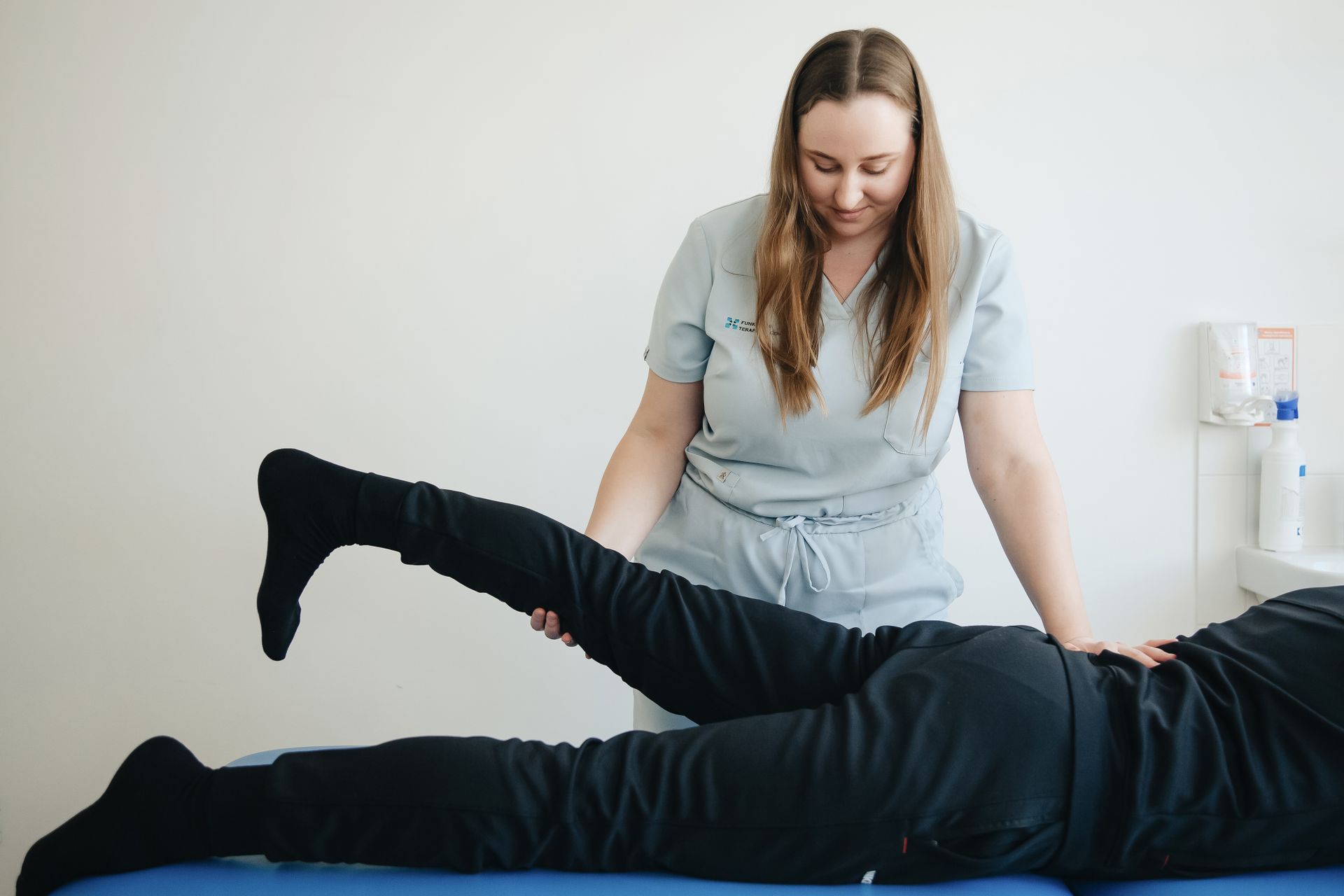
Sciatica is one of the most common causes of lower back and leg pain. It occurs when the sciatic nerve, the largest nerve in the body, becomes irritated or compressed. This can lead to discomfort that travels from the lower back through the buttock and down the leg. Depending on the severity, symptoms may range from mild aches to sharp pain, tingling, numbness, or muscle weakness. Read More
Many people experience difficulty sitting, standing, walking, or performing daily activities when sciatica symptoms become persistent. Understanding the causes and available treatment options is an important step toward recovery.
What Causes Sciatica?
Sciatica is a symptom rather than a condition itself. It is usually caused by an underlying issue affecting the lower spine or surrounding tissues. Common causes include:
Herniated or Bulging Discs
Spinal discs act as cushions between the vertebrae. When a disc bulges or herniates, it can place pressure on nearby nerves, including the sciatic nerve.
Poor Posture and Prolonged Sitting
Extended periods of sitting, poor workplace ergonomics, and inadequate posture can increase stress on the lower back and contribute to nerve irritation.
Muscle Tightness and Imbalances
Tight muscles around the hips, pelvis, and lower back can alter movement patterns and increase pressure on the sciatic nerve pathway.
Degenerative Changes
Age-related changes such as spinal stenosis, arthritis, and disc degeneration may reduce the available space around spinal nerves and contribute to sciatica symptoms.
Common Symptoms of Sciatica
Sciatica symptoms vary from person to person but often include:
Radiating Leg Pain
Pain that begins in the lower back or buttock and travels down the back of the leg is one of the most recognizable signs of sciatica.
Numbness and Tingling
Many individuals experience pins-and-needles sensations, burning feelings, or numbness in the leg or foot.
Muscle Weakness
Some cases may involve weakness in the affected leg, making walking, climbing stairs, or standing for long periods more difficult.
Reduced Mobility
Pain and stiffness can limit normal movement and interfere with work, exercise, and recreational activities.
How Physiotherapy Supports Recovery
Physiotherapy focuses on identifying the factors contributing to sciatic nerve irritation and developing a personalized plan to improve mobility, strength, and function. Clinics that specialize in musculoskeletal rehabilitation often begin with a detailed assessment to determine the underlying cause of symptoms.
Movement Assessment
A physiotherapist evaluates posture, mobility, flexibility, strength, and movement patterns to better understand the source of discomfort.
Manual Therapy
Hands-on techniques may be used to improve joint mobility, reduce muscle tension, and support normal movement patterns. Many physiotherapy clinics include manual therapy as part of a comprehensive treatment approach.
Exercise-Based Rehabilitation
Targeted exercises are often used to improve flexibility, strengthen supporting muscles, and help reduce stress on the lower back and surrounding structures. Research and clinical practice continue to emphasize the importance of guided movement and rehabilitation for long-term recovery.
Education and Prevention
Understanding posture, lifting mechanics, workplace ergonomics, and activity modification can help reduce the likelihood of future flare-ups.
When to Seek Professional Help
While mild symptoms may improve with time, professional assessment may be beneficial if pain persists, worsens, or begins to affect daily activities. Early intervention can help identify contributing factors and support a more effective recovery process.
Individuals experiencing severe weakness, significant numbness, or ongoing symptoms should seek appropriate medical evaluation to determine the most suitable course of care.
Moving Toward Better Mobility
Sciatica can have a significant impact on quality of life, but many people find improvement through a structured rehabilitation approach. By addressing mobility restrictions, muscle imbalances, movement habits, and physical conditioning, physiotherapy can play an important role in supporting recovery and helping individuals return to their normal activities with greater confidence.