
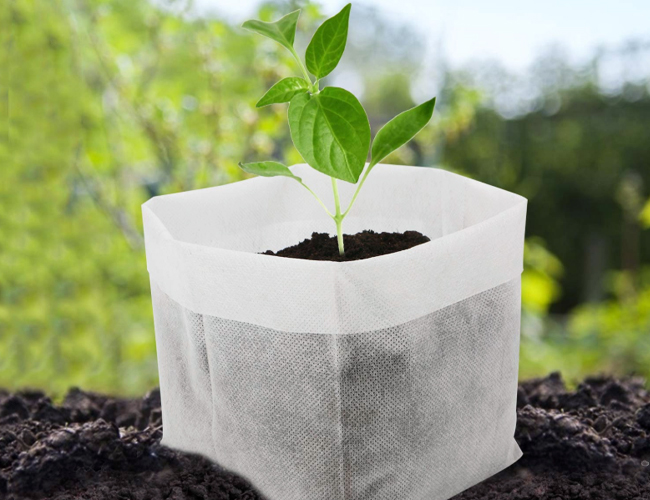
The global shift toward environmentally responsible production has increased the demand for sustainable materials across multiple industries. Manufacturers are now focusing on alternatives that reduce environmental impact while maintaining product performance and efficiency. Among these innovative materials, PLA-based textiles have emerged as an important solution for modern manufacturing needs.
Made from renewable plant-based resources, PLA Nonwoven Fabric is becoming increasingly popular in industries such as healthcare, agriculture, packaging, and hygiene products. Its biodegradable nature and versatile performance make it a valuable material for companies seeking eco-friendly production methods without sacrificing functionality.
What Is PLA Nonwoven Fabric?
PLA stands for polylactic acid, a biodegradable polymer produced from renewable resources such as corn starch, cassava, and sugarcane. Unlike conventional petroleum-based synthetic fibers, PLA fibers are derived from natural raw materials, making them more environmentally sustainable.
Nonwoven fabric refers to a material created by bonding fibers together through mechanical, thermal, or chemical processes instead of traditional weaving or knitting. When PLA fibers are used in this manufacturing method, the resulting fabric combines the practical advantages of nonwoven textiles with the sustainability benefits of biodegradable polymers.
This combination has made PLA nonwoven materials increasingly important in industries focused on reducing plastic waste and carbon emissions.
Key Properties of PLA Nonwoven Fabric
PLA nonwoven materials offer several characteristics that support both industrial performance and sustainability goals.
Biodegradability
One of the most significant advantages of PLA nonwoven fabric is its ability to biodegrade under industrial composting conditions. Unlike many synthetic plastics that remain in the environment for decades, PLA materials can break down into natural compounds such as water and carbon dioxide.
Lightweight and Breathable Structure
PLA nonwoven fabrics are lightweight and highly breathable. These qualities make them suitable for products requiring comfort, airflow, and moisture management, especially in medical and hygiene applications.
Renewable Material Source
Because PLA fibers are produced from plant-derived materials, they reduce dependence on fossil fuels. This renewable sourcing contributes to a more sustainable manufacturing cycle.
Good Mechanical Performance
PLA nonwoven fabrics provide reliable tensile strength and dimensional stability. These properties allow them to perform effectively in both disposable and semi-durable products.
Compatibility With Manufacturing Processes
PLA fibers can be processed using common nonwoven production technologies, including spunbond, meltblown, and needle-punch methods. This compatibility supports efficient industrial-scale manufacturing.
Applications Across Different Industries
The versatility of PLA nonwoven fabric has led to widespread use across various sectors.
Healthcare and Hygiene
The medical and hygiene industries are major users of PLA nonwoven materials because of their softness, breathability, and disposable nature. Common applications include:
- Surgical masks
- Medical gowns
- Wet wipes
- Sanitary products
- Disposable bedding
These products benefit from the fabric’s lightweight feel and environmentally conscious composition.
Agricultural Uses
In agriculture, PLA nonwoven fabrics are often used for crop protection, mulch covers, and plant support materials. Their biodegradable properties help reduce waste accumulation in farming environments.
Sustainable Packaging
As businesses seek alternatives to plastic packaging, PLA nonwoven materials are increasingly used in eco-friendly shopping bags, protective packaging layers, and biodegradable wrapping solutions.
Home and Industrial Products
PLA nonwoven fabrics are also used in insulation materials, furniture padding, filtration systems, and household textile applications where lightweight and sustainable materials are preferred.
Environmental Benefits in Sustainable Manufacturing
Sustainable manufacturing aims to minimize environmental impact throughout the production lifecycle. PLA nonwoven fabric contributes to this goal in several ways.
Reduced Carbon Footprint
Since PLA is produced from renewable crops rather than fossil fuels, its manufacturing process can generate lower greenhouse gas emissions compared to traditional synthetic polymers.
Lower Plastic Waste
The biodegradable nature of PLA helps reduce long-term waste accumulation. This supports global efforts to address pollution caused by conventional plastics.
Support for Circular Economy Goals
Many industries are adopting circular economy strategies focused on renewable materials, recyclability, and compostability. PLA nonwoven fabric aligns with these sustainability objectives by offering a renewable and potentially compostable material option.
Challenges and Considerations
Despite its many advantages, PLA nonwoven fabric also has certain limitations that manufacturers should consider.
Industrial Composting Requirements
PLA materials generally require controlled industrial composting conditions for effective biodegradation. In ordinary landfill environments, decomposition may occur more slowly.
Heat Resistance Limitations
Compared to some petroleum-based polymers, PLA may have lower resistance to high temperatures. This can restrict its use in applications exposed to extreme heat.
Cost Factors
The production cost of PLA fibers can sometimes be higher than conventional synthetic materials. However, increasing demand and technological improvements are gradually improving cost competitiveness.
Future of PLA Nonwoven Fabric
The future of PLA nonwoven fabric looks promising as industries continue prioritizing sustainability and environmental responsibility. Advances in biodegradable polymer technology are improving material performance, durability, and processing efficiency.
Governments worldwide are also implementing stricter environmental regulations, encouraging manufacturers to adopt renewable and compostable materials. As a result, PLA nonwoven fabric is expected to play an increasingly important role in sustainable manufacturing across healthcare, agriculture, packaging, and consumer products.
Conclusion
PLA nonwoven fabric represents a significant step toward more sustainable industrial production. Its renewable origin, biodegradability, lightweight structure, and versatile applications make it an attractive alternative to conventional synthetic materials.
As manufacturers continue seeking environmentally responsible solutions, PLA nonwoven fabric is likely to become even more important in the transition toward greener and more sustainable manufacturing practices.