
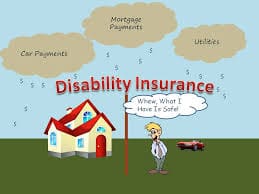
Imagine waking up one day unable to work due to a serious illness or injury. While health insurance covers your medical bills, how would you replace your income for months or even years? This is where long-term disability insurance becomes crucial.
Long-term disability (LTD) insurance is designed to replace a portion of your income if you become unable to work due to a disabling condition that lasts for an extended period. Unlike short-term disability, which typically covers disabilities lasting a few weeks to six months, LTD kicks in after a waiting period and can provide benefits for years, sometimes until retirement age.
How It Works
When you purchase LTD insurance, you’re essentially buying income protection. If you become disabled and cannot perform your job duties, you file a claim with your insurance company. After a waiting period—called the elimination period—typically ranging from 90 to 180 days, your benefits begin if your claim is approved.
Most LTD policies replace between 50% and 70% of your gross income. For example, if you earn $5,000 monthly, a policy might pay you $3,000 per month while you’re disabled. This percentage exists partly because benefits are often tax-free if you paid premiums with after-tax dollars, making the net income comparable to your working wages.
What Qualifies as Disabled?
This is where policy definitions matter significantly. “Own occupation” policies consider you disabled if you cannot perform the duties of your specific occupation. “Any occupation” policies only pay benefits if you cannot work in any job for which you’re reasonably qualified by education, training, or experience. Own occupation policies cost more but offer better protection, especially for specialized professionals.
Coverage Duration and Limits
LTD policies vary in how long they pay benefits. Some provide coverage for two, five, or ten years, while others extend until age 65 or 67. The longer the potential benefit period, the higher your premiums will be.
Most policies also cap monthly benefits, regardless of your income level. Common limits range from $10,000 to $15,000 monthly, though some policies allow higher amounts for high earners.
Getting Coverage
You can obtain LTD insurance through your employer as a group benefit or purchase an individual policy. Group policies are convenient and often less expensive, but they may provide limited coverage and aren’t portable if you change jobs. Individual policies typically offer more comprehensive protection and remain with you throughout your career.
Why It Matters
Consider that the Social Security Administration estimates more than one in four 20-year-olds will become disabled before reaching retirement age. Without LTD insurance, a disability could devastate your finances, forcing you to drain savings or rely on government assistance.
Long-term disability insurance provides peace of mind and financial stability when you need it most. While no one plans to become disabled, protecting your most valuable asset—your ability to earn income—is one of the smartest financial decisions you can make. Review your current coverage or speak with an insurance professional to ensure you’re adequately protected against life’s uncertainties.