
When tooth loss affects your bite, confidence, or daily comfort, seeing a dentist in Toronto is one of the first steps toward restoring function and appearance. Missing teeth are more common than many realize, and people of all ages experience issues such as decay, injury, or gum disease that lead to tooth loss. Fortunately, modern dentistry provides several tooth replacement options that are predictable, comfortable, and natural-looking.
A dental bridge is among the most proven solutions for filling the space left by a missing tooth. Many patients aren’t aware that bridges can help stabilize neighboring teeth, protect oral health long term, and restore normal chewing. In this blog, Bayview Dental Centre explains everything you need to know about dental bridges so you can make confident decisions about your care. If you’ve been searching for a dentist near you who offers personalized solutions, you’re already taking an important step.
What Is a Dental Bridge?
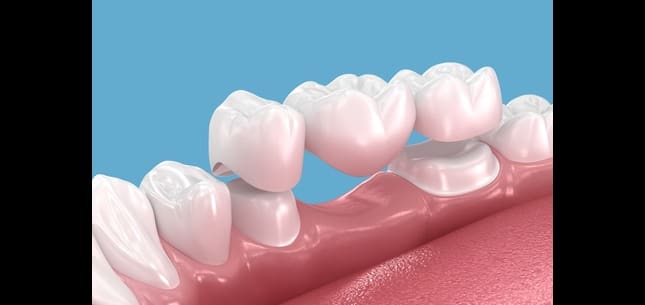
A dental bridge is a restoration that fills the gap left by one or more missing teeth. It relies on support from adjacent natural teeth or dental implants to anchor the replacement tooth (called a “pontic”). A bridge is custom designed to match the shape, color, and alignment of surrounding teeth for a seamless result.
Most dental bridges last 10–15 years or longer with proper care, but longevity varies depending on bite forces, habits such as teeth grinding, and oral hygiene. Because a bridge is fixed in place, patients enjoy a strong, stable restoration that does not need to be removed.
Types of Dental Bridges
While all bridges perform the same basic function, several design variations exist depending on the health of surrounding teeth and the number of teeth missing.
Traditional Bridge
This is the most common design. It uses crowns placed on the teeth adjacent to the gap, supporting the pontic in between. Traditional bridges provide strength and natural appearance, but they require reshaping the supporting teeth.
Cantilever Bridge
Used when there is only one neighboring tooth available for support. Although less common, they can be effective in low bite-pressure areas.
Maryland Bridge
Instead of crowns, a metal or porcelain framework bonds to the back of neighboring teeth. This requires minimal tooth modification but may not be ideal for high biting forces.
Implant-Supported Bridge
Implants replace the missing roots, and the bridge connects on top. This option avoids altering natural teeth and offers strong long-term stability. However, implant placement requires surgery, time for healing, and sufficient jawbone.
At Bayview Dental Centre, each patient receives a full evaluation so the dentist can recommend the best bridge design for lifestyle, budget, and oral health needs.
Why Replace Missing Teeth?
Some patients assume a missing tooth isn’t a big deal, especially if the gap isn’t visible when smiling. But tooth loss can cause more than cosmetic concerns:
- The remaining teeth begin drifting into the empty space
- Bite alignment changes, causing jaw discomfort or headaches
- Chewing becomes difficult, leading to digestive issues
- Bones beneath the missing tooth begin to shrink
- Speech may be affected
Leaving a gap untreated makes later treatment more complex and costly. A bridge prevents shifting, maintains jaw function, and helps preserve facial shape.
How Dental Bridges Are Placed
A dental bridge usually requires two or more appointments.
Step 1: Examination and Treatment Planning
Your dentist reviews medical history, takes digital impressions, and evaluates whether nearby teeth or implants can support a bridge. If active tooth decay or gum disease exists, it must be treated first.
Step 2: Preparing Supporting Teeth
The supporting teeth are reshaped to make room for the crowns. Impressions are taken so a dental lab can custom-make the bridge, pontic, and crowns.
Step 3: Temporary Bridge Placement
A temporary bridge protects exposed teeth and restores appearance while the permanent restoration is fabricated.
Step 4: Final Bridge Placement
At the next visit, the final bridge is adjusted and bonded securely. The dentist will check your bite and comfort before finalizing.
Dental bridges blend beautifully with natural teeth when designed carefully. Experienced restorative dentists focus on achieving balanced biting forces to prevent long-term strain.
Are Dental Bridges Comfortable?
Yes—most patients adapt quickly to a bridge. There may be temporary sensitivity after tooth preparation, but this usually fades within days.
Once placed, bridges behave much like natural teeth. Patients can chew normally, smile confidently, and speak comfortably. Properly fitted bridges do not shift or create discomfort.
How Much Do Dental Bridges Cost?
Costs vary widely depending on:
- number of missing teeth
- bridge design
- materials used (porcelain, zirconia, etc.)
- use of implants for support
- location and experience of the clinic
While insurance often covers a portion of restorative treatment, pricing, timelines, and coverage consultation is the best way to understand costs based on your case. Restoring oral health early prevents expensive complications later, making bridges an investment in long-term wellness.
Caring for Your Dental Bridge
Good oral hygiene protects bridge longevity and surrounding teeth.
Home Care Tips
- Brush twice daily with fluoride toothpaste
- Floss carefully around supporting teeth
- Use floss threaders or interproximal brushes beneath the bridge
- Avoid chewing on ice or very hard foods
- Manage grinding with a nightguard if recommended
Professional cleanings and exams allow early detection of wear or damage so repairs remain simple.
What Makes Bayview Dental Centre Different?
Patients choosing Bayview Dental Centre appreciate compassionate care, advanced technology, and personalized guidance. Every restoration is planned with attention to bite balance, facial aesthetics, and long-term function—not just appearance.
The team believes restorative dentistry should create comfort, confidence, and durability. If you’re exploring options like dental bridges toronto treatment, the clinic provides support from consultation through aftercare.
Who Is a Candidate for Dental Bridges?
You may be a strong candidate if:
- one or more teeth are missing
- supporting teeth are healthy
- gum tissues are free from advanced disease
- you prefer a fixed restoration
- you want a faster timeline than implants alone
Patients with insufficient jawbone, loose teeth, or gum infection may require preliminary treatment, including periodontal therapy or bone stabilization.
Alternatives to Dental Bridges
A dentist will review alternative restorations if desired:
- Partial dentures
- Dental implants
- Resin-bonded restorations
- Orthodontic closing of small gaps
Each option reflects different advantages relating to cost, appearance, durability, or tooth preservation.
Final Thoughts
A missing tooth doesn’t have to affect your smile, chewing comfort, or dental health long term. Bridges provide a reliable and visually appealing solution for replacing teeth and preventing the complications of untreated gaps. If you are evaluating treatment options and comparing them with implants or removable dentures, professional guidance can make the decision easier.
Bayview Dental Centre welcomes patients seeking quality care, restorative solutions, and personalized options. If you’ve been researching dental bridges near you, scheduling a consultation can help determine whether a bridge suits your oral health goals. Restoring a full smile is not only about appearance—it’s about restoring well-being and quality of life.