
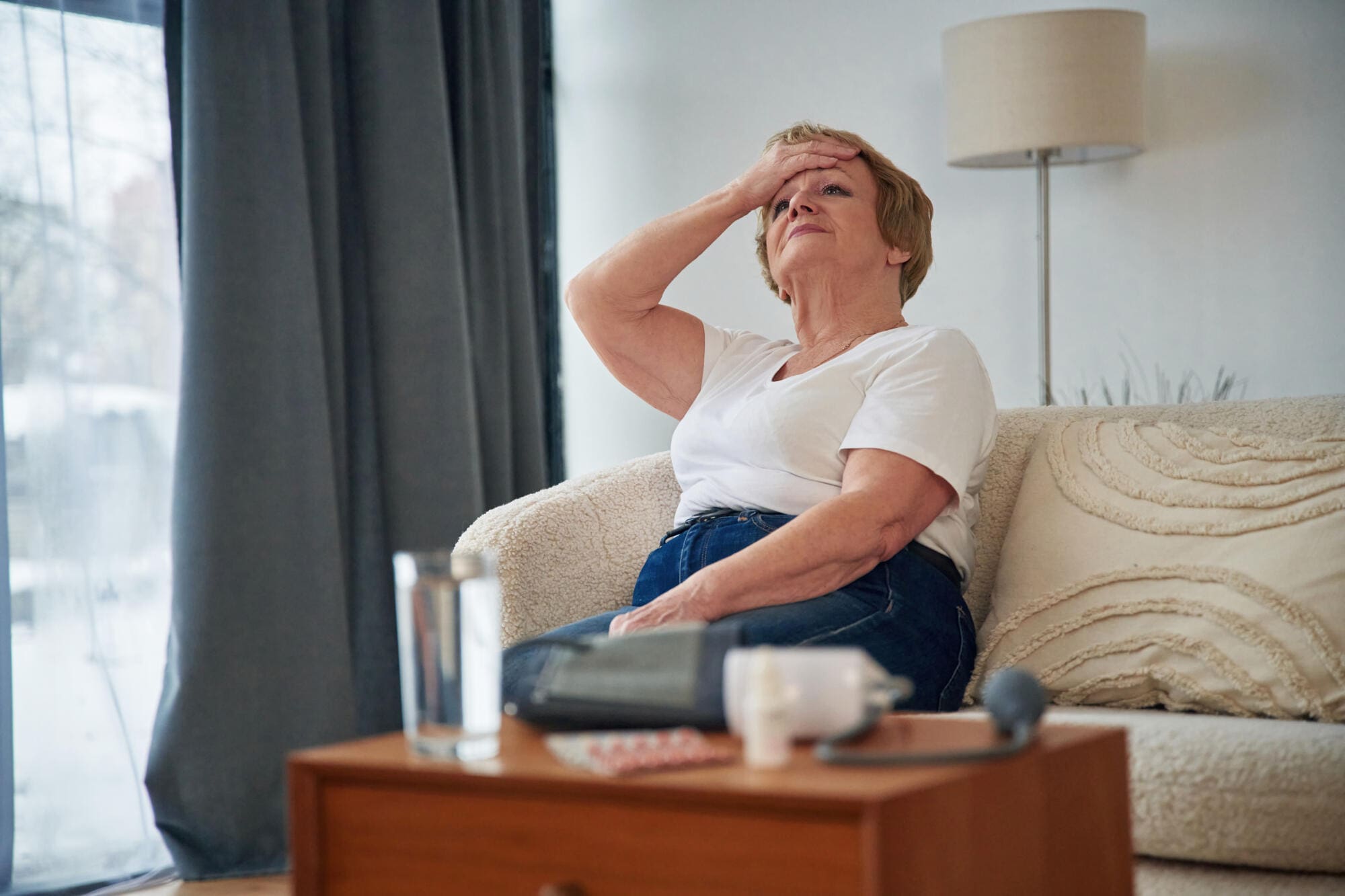
As the temperature rises during the summer months, it’s crucial to remember that seniors are especially vulnerable to heat-related illnesses. Did you know that older adults are at a higher risk for these conditions due to factors like decreased sensitivity to heat and certain medical conditions?
Uncovering the signs of heat-related illnesses can save lives. Most importantly, there are several easy and effective ways to protect seniors and ensure their safety and well-being.
Signs of Heat-Related Illnesses
Heat-related illnesses come in various forms, including heat exhaustion and heat stroke. Recognizing the signs early can make all the difference. Calling for medical help or moving the person to a cooler environment may be necessary.
Why Seniors Are at Higher Risk
Several reasons contribute to why older adults face a greater threat from heat-related illnesses. First, as people age, their bodies may not regulate temperature as effectively. This means that seniors might not feel hot until it’s too late.
Additionally, certain medical conditions like heart disease or diabetes can complicate the body’s response to heat. Medications taken by seniors can also impact their ability to cope with heat, further heightening their risk.
Furthermore, social factors must be considered. Many seniors live alone and may not have someone to check on them during heatwaves. Social isolation can also lead to increased vulnerability during extreme weather conditions.
Preventing Heat-Related Illnesses
Prevention is the key to keeping seniors safe during hot weather. Here are several effective strategies to ensure their comfort and health:
1. Stay Hydrated
Water is crucial for everyone, but staying hydrated is even more critical for seniors. Encourage older adults to drink plenty of fluids, even if they don’t feel thirsty. Dehydration can lead to severe health problems, particularly in high temperatures.
2. Create a Cool Environment
Air conditioning is one of the best ways to provide relief from the heat. If an air conditioner is unavailable, fans can offer some relief. Keeping curtains or blinds closed during the hottest part of the day can also help maintain a cooler indoor temperature.
3. Dress Appropriately
Encourage seniors to wear lightweight, loose-fitting clothing made from breathable fabrics. Light colors can also reflect sunlight better than dark colors, helping to keep the body cooler.
4. Plan Outdoor Activities Wisely
If older adults need to go outside, plan outings for early morning or late evening when temperatures are cooler. Limit outdoor activities during the hottest parts of the day.
5. Stay Connected
Regular check-ins can be lifesaving. Family members, friends, or caregivers should maintain contact to ensure seniors are doing well. If possible, consider arranging for volunteer programs that assist in checking on the elderly during heatwaves.
What to Do in an Emergency
If a senior does show signs of heat-related illnesses, immediate action is critical. Move the person to a cooler place, preferably an air-conditioned room. Offer water or any other fluids, but avoid alcohol or caffeine as they can worsen dehydration.
Cool the person using wet cloths or ice packs on pulse points like the neck, armpits, and groin. If symptoms persist or worsen, it’s essential to seek medical attention right away. By ensuring hydration, creating a cool environment, and maintaining social connections, we can protect seniors from extreme heat.
Keeping Seniors Safe in The Heat
Heat-related illnesses can pose a serious risk to seniors, but understanding the signs and implementing effective prevention methods can help. Taking proactive steps is vital for their safety, especially during those sweltering hot days.
For more helpful tips, check out the rest of our site today.