

Swimming pool safety is a strict legal and structural requirement in modern residential and commercial construction. Homeowners widely demand sleek, frameless pool fences that preserve scenic outdoor views while maintaining maximum security. This strong market demand makes high-quality glass pool fence spigots one of the most critical structural components in contemporary outdoor architecture.
However, not all hardware components offer the same levels of structural integrity, safety, or longevity. Selecting uncertified or poorly manufactured hardware can quickly cause structural failures, severe rust issues, or expensive liabilities. Understanding global compliance standards, material testing, and supplier transparency will help you pick a safe, long-lasting setup.
       [Frameless Glass Panel]
                  │
        ┌─────────┴─────────┐
        ▼                   ▼
 [Floor-Mounted]     [Side-Mounted]
 (Deck/Concrete)     (Fascia/Edge)
What Are Glass Pool Fence Spigots?
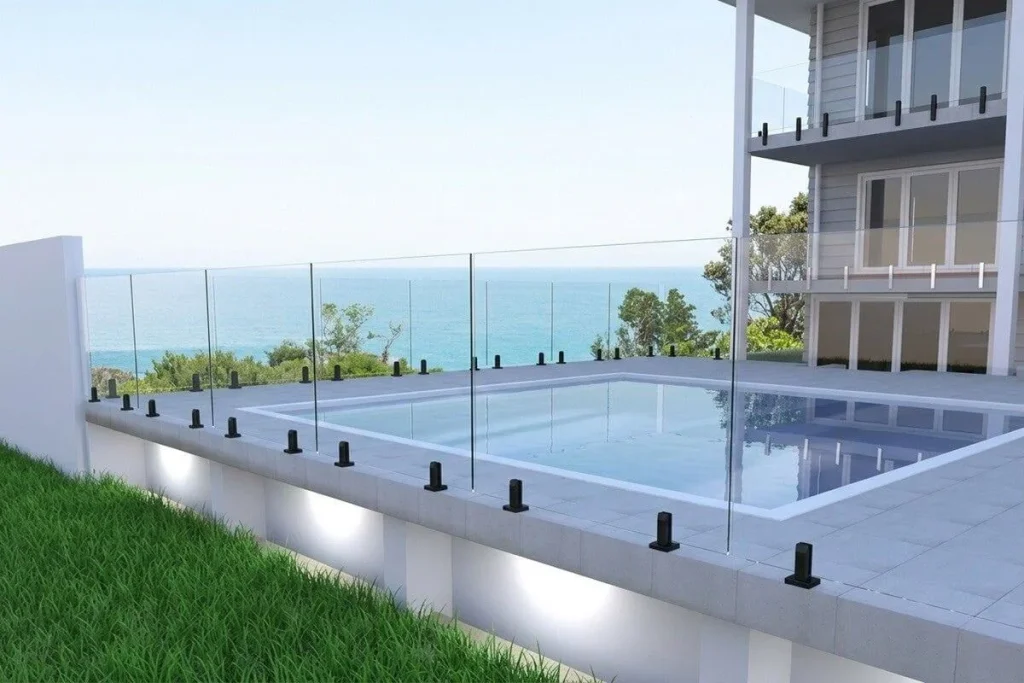
Glass pool fence spigots are heavy-duty stainless steel fixtures engineered to secure heavy, frameless tempered glass panels. They support the glass panels vertically from the base, completely eliminating the need for bulky metal frames or traditional posts. These specialized glass clamps create a clean, minimalist design that enhances property values.
Most outdoor architectural projects utilize three primary structural configurations:
- Floor-Mounted Spigots: These anchor directly into the top surface of a deck or patio.
- Side-Mounted Spigots: These bolt directly into the vertical fascia or edge of concrete slabs.
- Core-Drilled Spigots: These slip directly into drilled concrete recesses for an ultra-clean look.
While glass setups look stunning, some homeowners prefer alternative minimalist systems. For example, many builders opt for stainless steel cable railing systems or utilize high-strength stainless steel cable for outdoor railing configurations to preserve views.
Why Compliance and Testing Standards Matter
Pool fencing codes protect lives by lowering accidental drowning risks. If your foundational mounting hardware fails under sudden pressure, the entire glass barrier can collapse. This structural failure poses severe physical risks to children, guests, and property owners.
A certified, code-compliant glass panel support system guarantees that your hardware can withstand high wind loads and heavy direct impacts. It also verifies that the metal will resist chemical corrosion from chlorinated water. Following local building codes ensures your project passes official safety inspections seamlessly.
Key Global Certifications to Verify
ASTM Standards
ASTM International testing evaluates the physical structural strength, impact performance, and exact chemical composition of steel. Choosing ASTM-tested hardware ensures your outdoor systems can handle severe environmental stress.
Australian Standards (AS 1926)
Australia enforces some of the strictest pool safety laws globally. Hardware built to satisfy AS 1926 standards guarantees superior resistance against climbing, optimal safety spacing, and excellent structural durability.
CE and ISO Certifications
A CE mark confirms that a product satisfies European Union safety and engineering performance mandates. Additionally, factories with ISO quality management certifications ensure excellent product consistency, reliable batch traceability, and strict material verification.
Stainless Steel Grade Selection: 304 vs. 316
Pool areas constantly expose structural hardware to water, splash-back chemicals, salt spray, and extreme UV exposure. Choosing the wrong grade of metal will cause ugly tea-staining, pitting, and rapid rust.
| Material Grade | Ideal Environment | Key Benefit | Limit |
|---|---|---|---|
| Grade 304 Steel | Inland residential pools | Lower initial cost | Prone to coastal salt pitting |
| Grade 316 Marine Steel | Coastal zones & saltwater pools | Superior rust resistance | Higher upfront investment |
Grade 304 stainless steel works well for dry, inland areas. However, for long-term safety, premium projects rely on Grade 316 marine-grade steel. Marine-grade steel contains molybdenum, which drastically improves resistance to chlorides, acids, and harsh pool chemicals.
For other architectural projects, premium hardware components like heavy-duty 304 and 316 handrail brackets ensure structural stability. If you want to expand your design to entryways, consider adding a protective stainless steel glass canopy system to match your modern glass themes.
Important Compliance Features for Buyers
Before purchasing hardware, always request certified test reports from your manufacturer to confirm these critical features:
- Verified Load Capacity: Ensure the hardware passes strict wind load and lateral impact pressure tests.
- Glass Thickness Compatibility: Check that the hardware accommodates standard 10mm, 12mm, or 15mm tempered safety glass securely.
- Salt Spray Laboratory Testing: Confirm the metal can withstand prolonged humidity without developing structural oxidation.
- Heavy-Duty Anchor Systems: High-quality setups require professional expansion bolts or commercial chemical anchors for concrete stability.
Your Professional Supplier Checklist
Finding a reliable manufacturing partner matters just as much as picking the hardware style. Use this quick checklist to grade your structural hardware supplier before finalizing an order:
1. Documented Testing Reports
A trustworthy manufacturer will gladly share comprehensive material certificates, ASTM data, and ISO documents. Avoid any supplier that hides their manufacturing origins or testing data.
2. Comprehensive Technical Guides
Experienced suppliers provide clear technical drawings, recommended torque settings, and engineering manuals. If you enjoy managing projects yourself, read our guide on stainless steel cable railings for DIY decks for helpful installation tips.
3. Diverse Architectural Inventory
Reliable manufacturers maintain a broad product catalog featuring diverse finishes, square or round styles, and multi-angle glass clamps. You can browse our versatile stainless steel glass clamp fixtures to find matching modern designs.
                  [Sourcing Checklist]
                           │
      ┌────────────────────┼────────────────────┐
      ▼                    ▼                    ▼
[Certifications]   [Technical Guides]   [Product Variety]
(ASTM, CE, ISO)    (CAD Drawings)       (Finishes & Sizes)
Common Sourcing and Installation Mistakes to Avoid
Prioritizing Low Price Over Safety
Cheap, uncertified hardware often skips crucial anti-corrosion treatments. Replacing rusted or cracked spigots later will cost far more than buying premium components initially.
Ignoring Alternative System Benefits
While glass looks beautiful, it requires regular cleaning. Many commercial developers read a complete buyer’s guide to SS cable railing kits to see if cable setups fit their layout better. If you prefer a cable design, using a dedicated cable railing installation kit simplifies the job.
Poor Mechanical Installation
Even premium hardware will fail if mounted poorly. Common mistakes include crooked panel alignments, loose anchoring bolts, or over-tightening screws. For multi-level builds, see our guide on the best stainless steel cable railing system for stairs to keep your steps code-compliant.
Long-Term Maintenance and System Upkeep
To ensure your architectural metal keeps its mirror-like shine, establish a simple maintenance routine. Wipe down your metal fixtures every few months with fresh water and mild soap to wash away residual pool chemicals. For comprehensive care instructions, check out our resource on how to maintain stainless steel cable railing to prevent long-term environmental tarnish.
If your outdoor layout combines different styles, a stainless steel deck cable railing system offers an exceptionally durable choice. For complex interior stairs, a front porch vertical interior cable railing fence kit for stairs provides superior structural strength. To stay ahead of architectural shifts, look over the top trends in stainless steel cable railing systems for 2026 to see how modern designers blend metal, glass, and wire.
Conclusion
Building a frameless pool fence requires balancing modern visual appeal with uncompromising safety. By purchasing certified, marine-grade glass pool fence spigots from transparent manufacturers, you protect both your property value and your guests.
If you want to read more about high-durability balustrade architecture, check out the stainless steel cable railing system benefits guide on our platform. Visit the URailing homepage to see our full inventory, check out our about us page to learn about our quality standards, or check out our contact page to request a custom project quote.
For large-scale commercial sourcing, look over the Unikim Made-in-China profile, follow industrial updates via the Unikim LinkedIn company page, or watch professional component stress tests directly on the Unikim Railings YouTube channel.
FAQs
Why do glass pool fence spigots require international safety certifications?
Certifications verify that your heavy hardware can safely withstand high wind loads, sudden impacts, and chemical corrosion. Using tested hardware ensures your fencing system satisfies local building codes and protects children from accidents.
Can I install glass pool fence spigots near a saltwater swimming pool?
Yes, but you must use marine-grade Grade 316 stainless steel hardware. Grade 316 contains molybdenum, which protects your outdoor system from salt pitting, surface rust, and chemical breakdown.
What is the average lifespan of premium stainless steel pool spigots?
When built from certified marine-grade steel and cleaned regularly, high-quality spigots easily last for decades. Simply rinse them down with clean water every few months to clear away salt and chlorine deposits.
Do I need to drill holes directly through my glass panels to use these spigots?
Most modern floor-mounted spigots use an adjustable friction-fit system with rubber pressure pads, meaning you do not need to drill holes through the glass panels. However, some commercial codes require core-drilled setups with security lock pins for high-altitude balconies.