
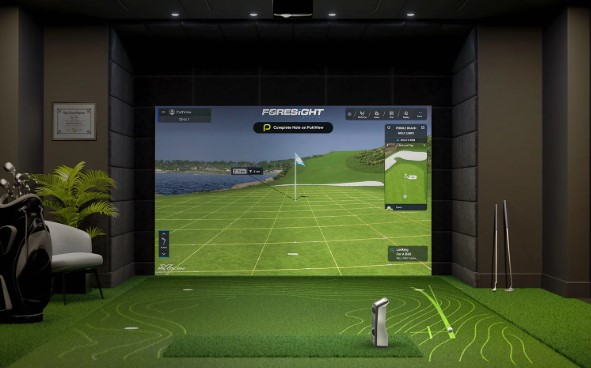
Setting up a golf simulator at home is one of the best investments a serious golfer can make, but the launch monitor and software only tell half the story. Without a proper enclosure, you’re stuck chasing wild slices across the garage or patching drywall every time a driver swings sideways. A golf enclosure is what turns a random collection of gear into an actual practice space, one that protects your walls, contains your shots, and lets you swing at full speed without hesitation. Before you buy one, though, there are several factors worth checking carefully, because not every enclosure is built the same, and the wrong choice can mean wasted money and a setup that doesn’t fit your space.
Start With Accurate Measurements, Not Guesses
The single biggest mistake buyers make is measuring their space loosely and hoping for the best. A golf enclosure needs enough depth for a full swing follow-through, enough height to clear a driver on the backswing, and enough width to comfortably fit the hitting area plus a buffer zone. Ceiling height is especially easy to underestimate; a swing that looks fine standing still can clip a low ceiling once the club is moving at full speed. Measure twice, account for any overhead obstructions like light fixtures or ductwork, and always size up rather than down if you’re between two options.
Understand the Difference Between Netting and Full Enclosures
Not every golf practice setup needs a full four-sided box. Simple hitting nets work for basic swing practice, but they don’t fully contain mishits, and stray balls can still bounce back toward the player or damage nearby walls. A dedicated golf enclosure, by contrast, wraps the hitting area on multiple sides with heavy-duty netting designed specifically to absorb high-speed impacts without excessive rebound. If you’re using a launch monitor or full simulator setup, a proper enclosure isn’t optional, it’s the only way to safely swing at full speed indoors. Companies that build enclosures specifically for simulator use, rather than repurposing generic backyard netting, tend to hold up far better under repeated impact from real golf shots.
Check the Netting Material and Weight Rating
Not all netting is created equal, and this is where a lot of buyers get burned by cheaper options. Look for enclosures using heavy-duty, tightly woven netting typically measured in knot strength or denier rated specifically for golf ball impacts, not just general sports use. Thin or loosely woven netting will stretch, sag, and eventually tear after repeated full-speed shots, especially with a driver. Before purchasing, it’s worth checking current SimSpace coupon codes to see whether a premium, properly rated enclosure fits your budget better than settling for a lower-quality alternative that will need replacing within a year.
Frame Quality Matters More Than It Looks
The netting gets most of the attention, but the frame is what actually keeps the whole structure standing under repeated impact. Look for enclosures built with sturdy, powder-coated steel or heavy-gauge aluminum framing rather than thin, flexible poles that bow under tension. A well-built frame should feel rigid when assembled, with reinforced corner joints and a base that won’t shift when the netting absorbs a hard shot. Cheaper frames may look similar in photos, but the difference becomes obvious after a few weeks of regular use, when flimsy joints start to loosen or the whole enclosure starts leaning.
Factor In Installation and Assembly Time
Some golf enclosures are designed for quick, tool-minimal assembly, while others require significant time, drilling, or even professional installation. If you’re setting up in a garage you also use for parking or storage, a modular design that can be assembled and taken down without permanent wall mounting offers far more flexibility. Read product descriptions carefully for estimated assembly time and required tools before buying, and check whether the manufacturer provides clear instructions or video guides, this alone reveals a lot about how much support you’ll get after the sale.
Compare Pricing Across a Few Options
Golf enclosures range widely in price depending on size, netting quality, and frame construction, so it’s worth comparing a few before committing. Resources like DiscountCodez track current promo codes and seasonal discounts across golf equipment retailers, which can make a meaningful difference on a purchase in this price range. A few minutes of comparison shopping before checkout is a small step that’s easy to skip but can save a significant amount, especially during seasonal sales when simulator retailers often run their deepest discounts of the year.
Think About Long-Term Durability, Not Just the Launch Price
An enclosure that’s $200 cheaper upfront isn’t a good deal if the netting tears within six months of regular use. Look at what the warranty actually covers; some manufacturers only cover manufacturing defects, while others offer replacement netting programs for wear from normal use. Reading reviews from golfers who’ve owned the enclosure for at least a full season, rather than just unboxing reviews, gives a much clearer picture of how it holds up over time. Companies like Sim Space, which sells high quality golf enclosures and practice nets for use with golf simulators, publish a range of differently sized sim boxes specifically because one-size-fits-all rarely works for garages, basements, or dedicated simulator rooms.
Confirm It Works With Your Specific Simulator Setup
If you’re pairing the enclosure with a launch monitor, double check that the enclosure’s depth and screen placement work with your specific unit’s positioning requirements. Some launch monitors need to sit behind the golfer, others beside, and the enclosure’s dimensions need to accommodate that without forcing an awkward setup. Manufacturers with simulator-specific product lines are generally more reliable here, since general sports equipment brands may not account for launch monitor placement at all.
The Bottom Line
Buying a golf enclosure isn’t just about picking whatever fits the available floor space. Accurate measurements, netting quality, frame durability, and long-term reviews all matter more than the price tag alone. Take the time to compare a few options, check for current discounts, and prioritize a build that’s specifically designed for simulator use rather than repurposed general netting, it’s the difference between an enclosure that lasts for years and one you’ll be replacing next season.
Frequently Asked Questions
How much space do I need for a golf enclosure?
Most golf enclosures require at least 10-12 feet of depth, 10-14 feet of width, and a minimum ceiling height of 9-10 feet to safely accommodate a full swing with a driver.
Can a golf enclosure be used without a launch monitor?
Yes, a golf enclosure works fine for basic swing practice on its own, though pairing it with a launch monitor or simulator software adds shot tracking and feedback for more structured practice.
How long does a quality golf enclosure netting typically last?
With regular use, high-quality, properly rated netting can last several years, while lower-grade netting often shows wear, sagging, or tearing within the first six to twelve months.