
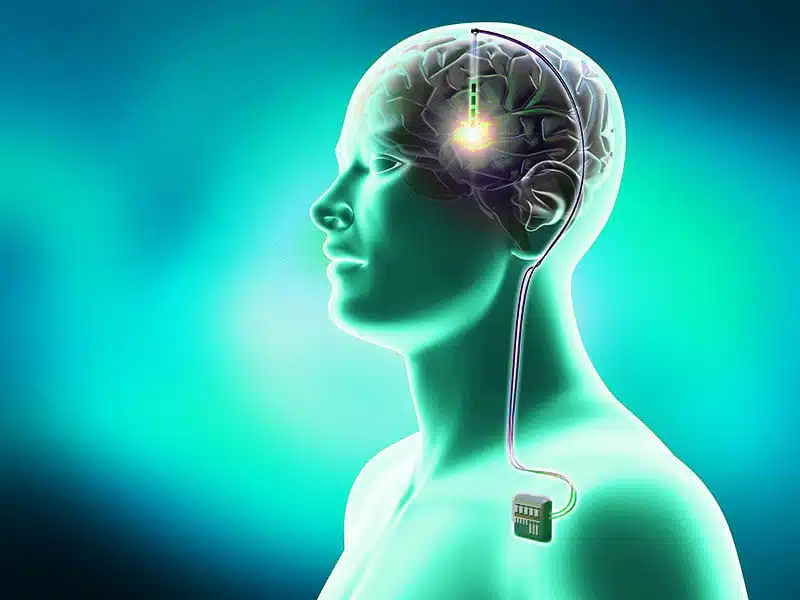
Deep brain stimulation (DBS) is a medical procedure used to manage certain neurological conditions that affect movement, behaviour, and daily functioning. Doctors usually recommend this treatment when symptoms persist despite medication or when medications begin causing severe side effects. The procedure aims to help improve symptom control and support a better quality of life for selected patients.
Many patients consider DBS surgery after experiencing symptoms that interfere with walking, speaking, writing, or carrying out routine activities. Although the treatment does not cure neurological disorders, it may help reduce symptom severity in some individuals. Proper diagnosis, medical assessment, and regular follow-up remain important throughout treatment planning and recovery.
What is Deep Brain Stimulation?
Deep brain stimulation involves placing thin electrodes into specific areas of the brain responsible for movement and neurological activity. These electrodes connect to a small implanted device that delivers controlled electrical signals to specific brain regions associated with abnormal neurological activity.
Neurologists and neurosurgeons determine the most suitable treatment areas after medical evaluation and brain imaging. Doctors may also adjust stimulation settings over time according to symptom changes and patient response after the procedure begins.
Conditions Commonly Treated with Deep Brain Stimulation
Doctors may recommend deep brain stimulation for several neurological and movement-related disorders when symptoms become difficult to manage through medication alone. The treatment approach depends on symptom severity, overall health condition, and long-term response to previous therapies.
Parkinson’s Disease
Parkinson’s disease affects movement and commonly causes tremors, stiffness, slower body movement, and balance difficulties. Symptoms may interfere with walking, writing, dressing, and other routine activities over time.
Medication may help during earlier stages, but some individuals later experience reduced effectiveness or movement-related side effects. Deep brain stimulation may help improve tremor control and reduce movement-related symptom fluctuations in selected patients after careful neurological assessment.
Essential Tremor
Essential tremor causes involuntary shaking that commonly affects the hands, head, or voice during routine activities. Many people notice symptoms while eating, drinking, writing, or holding objects.
Some individuals respond well to medication, while others continue experiencing severe tremors despite treatment. Deep brain stimulation may help reduce tremor severity and improve hand control in carefully selected patients experiencing persistent symptoms.
Dystonia
Dystonia is a neurological movement disorder characterised by repetitive muscle contractions, abnormal movements, and unusual postures. Symptoms may affect one area or multiple muscle groups and sometimes interfere with mobility, coordination, and physical comfort.
Doctors may consider deep brain stimulation when medicines and supportive therapies fail to provide enough symptom improvement. The treatment may help reduce involuntary muscle activity and improve posture gradually with continued medical monitoring.
Epilepsy
Epilepsy causes repeated seizures due to abnormal electrical activity within the brain. Although many patients manage symptoms successfully through medication, some individuals continue experiencing seizures despite ongoing treatment and neurological care.
For selected patients with treatment-resistant epilepsy, deep brain stimulation may help reduce seizure frequency and improve daily functioning. Specialists carefully review seizure history, medical records, and brain imaging before recommending this treatment approach.
Obsessive-Compulsive Disorder
Obsessive-compulsive disorder, commonly called OCD, affects thoughts, emotions, and behaviour through repeated unwanted thoughts and compulsive actions. Symptoms may interfere with concentration, emotional wellbeing, relationships, and routine responsibilities.
Doctors may consider deep-brain stimulation in severe cases where medication and therapy fail to provide sufficient improvement. The treatment targets specific brain circuits associated with compulsive behaviour and symptom regulation while patients continue receiving specialist psychological support.
Tourette Syndrome
Tourette syndrome is a neurological condition characterised by involuntary movements and vocal tics. Symptoms may affect concentration, communication, confidence, and participation in social or professional activities, depending on severity.
Most patients manage symptoms through behavioural therapy and medication under medical supervision. However, doctors may consider DBS surgery for selected individuals with severe tics that continue affecting daily functioning despite ongoing treatment.
Factors Doctors Consider Before DBS
Before recommending deep brain stimulation, specialists carefully evaluate several medical and personal factors to determine whether the treatment is suitable. These factors include:
- Symptom Severity: Doctors assess how strongly symptoms affect movement, behaviour, communication, and daily activities.
- Response to Medication: Specialists review whether medicines continue providing relief or cause difficult side effects.
- Brain Imaging Results: Brain scans help doctors study affected neurological regions before planning treatment.
- Physical and Mental Health: Overall physical condition, emotional wellbeing, and memory function require careful assessment.
- Long-Term Follow-Up: Patients should understand the importance of regular monitoring and device adjustment after treatment.
This evaluation process helps specialists make personalised and medically appropriate treatment decisions for each patient.
Conclusion
Deep brain stimulation may help manage symptoms associated with several neurological and movement disorders. Conditions such as Parkinson’s disease, essential tremor, dystonia, epilepsy, obsessive-compulsive disorder, and Tourette syndrome may respond well in selected patients. Proper diagnosis, medical evaluation, and ongoing follow-up remain important throughout treatment. Although the procedure does not cure these conditions, it may help many individuals improve movement, comfort, and everyday functioning.