

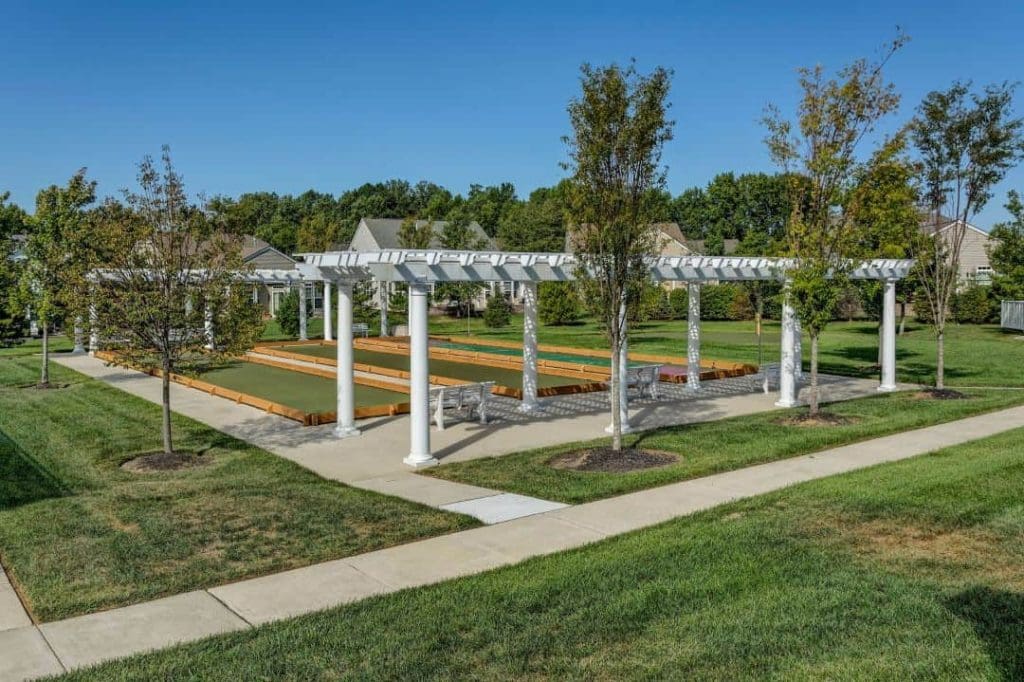
Designing a comfortable and stylish outdoor space is essential for anyone looking to enjoy their backyard or patio. Pergolas are a popular choice for creating shade, adding visual interest, and enhancing the overall atmosphere of an outdoor area. Yet, homeowners often face a dilemma: should they choose a traditional pergola or a motorized one? Each type has distinct advantages, from flexibility and convenience to timeless aesthetics and simplicity. This article explores the differences to help you select the ideal pergola for your home.
Understanding Maintenance Needs
Maintenance is a crucial factor when deciding between traditional and motorized pergolas. Motorized pergolas are usually made from durable, weather-resistant materials like powder-coated aluminum or high-quality metals. These materials make cleaning and upkeep relatively simple. However, motorized systems include mechanical components and electronic parts that need regular inspection and occasional professional servicing to ensure smooth operation.
Traditional pergolas, often built from wood, demand more frequent maintenance. Wooden pergolas require treatment, sealing, or staining to prevent decay, insect damage, and weathering. Vinyl options are less labor-intensive but may still require cleaning over time. Despite the need for material-specific care, traditional pergolas do not have motors or electronics, reducing the risk of costly repairs.
Functionality: Flexibility vs. Simplicity
One of the most notable differences between these pergola types is functionality. Motorized pergolas provide advanced features such as adjustable louvers, allowing homeowners to control sunlight, shade, and airflow with ease. Many models can be operated via remote control or smartphone apps, offering convenience and adaptability throughout the day.
In contrast, traditional pergolas feature a fixed, open-lattice design that provides consistent partial shade. While they lack adjustable features, their simplicity contributes to a serene, natural environment. This straightforward design is particularly appealing for homeowners who prefer low-tech solutions and an organic, unobtrusive look in their outdoor spaces.
Design and Visual Appeal
When choosing a pergola, design and aesthetics play a significant role. Motorized pergolas often feature sleek, minimalist lines that complement contemporary architecture. Their modern appearance and technological functionality make them a sophisticated addition to modern patios, decks, or outdoor entertainment areas.
Traditional pergolas offer a classic and timeless look. Wood, vinyl, or composite materials provide warmth and character, blending seamlessly with gardens and natural landscapes. They can be enhanced with climbing plants, drapes, or string lights to create a cozy, inviting atmosphere. Traditional pergolas also lend themselves well to rustic or classic home designs, making them a versatile choice for various outdoor aesthetics.
Installation Considerations
Motorized pergolas typically require professional installation due to the complexity of their motors and electronic systems. Proper wiring, alignment of louvers, and calibration are necessary for safety and efficient operation. While installation may be more complex, the added functionality and convenience often justify the effort and cost.
Traditional pergolas are generally simpler to install, with many kits designed for DIY assembly. This flexibility allows homeowners to customize their pergola’s size, design, and placement. Installation tends to be faster and less expensive, making traditional pergolas an accessible option for a wider range of budgets.
Durability and Longevity
Durability is a key factor to consider when investing in a pergola. Motorized pergolas are made from materials designed to withstand various weather conditions, ensuring long-lasting use. However, moving parts and motors may require occasional servicing, which can add to long-term maintenance considerations.
Traditional pergolas, especially wooden ones, are naturally susceptible to weathering. Regular care such as sealing or painting is necessary to maintain structural integrity. Vinyl and composite materials offer longer-lasting durability with minimal upkeep while preserving a classic aesthetic.
Choosing the Right Pergola for Your Needs
Your choice between a traditional and motorized pergola depends on lifestyle, aesthetics, and practical needs. Motorized pergolas are ideal for homeowners seeking flexibility, modern design, and effortless control over outdoor comfort. Traditional pergolas suit those who appreciate timeless charm, simplicity, and a natural, low-tech environment. Consider your outdoor space, climate, and how you plan to use the pergola when making your decision.
FAQ Section
What is the main difference between traditional and motorized pergolas?
Motorized pergolas feature adjustable louvers and electronic controls, while traditional pergolas have a fixed, open-lattice design.
Which type of pergola requires more upkeep?
Traditional wooden pergolas typically require more maintenance to protect against weather and decay, whereas motorized pergolas need care mainly for their mechanical and electronic parts.
Are motorized pergolas suitable for small outdoor spaces?
Yes, but it’s important to plan the installation carefully to ensure enough clearance for adjustable components.
Can traditional pergolas be enhanced with modern features?
Yes, you can add retractable canopies or shade sails to traditional pergolas to improve functionality while maintaining their classic look.
How long do motorized pergolas last?
Motorized pergolas can last many years with proper care, though the motors and moving parts may require occasional servicing.
Can I install a traditional pergola myself?
Many traditional pergolas are designed for DIY assembly, making them accessible for homeowners with basic construction skills.
Conclusion
Both traditional and motorized pergolas offer unique advantages for enhancing outdoor living spaces. Motorized pergolas provide modern aesthetics, convenience, and adjustable functionality, while traditional pergolas offer timeless charm, simplicity, and minimal technological maintenance. Choosing the right pergola depends on personal preferences, outdoor space requirements, and lifestyle needs. With careful planning, either option can transform your backyard or patio into a stylish and inviting retreat.