
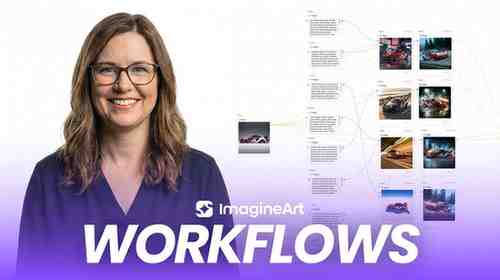
In 2026, the most powerful AI workflows are no longer built around apps, dashboards, or isolated tools. They are built around NODE systems — a new paradigm where intelligence is structured as autonomous, programmable units called NODEs.
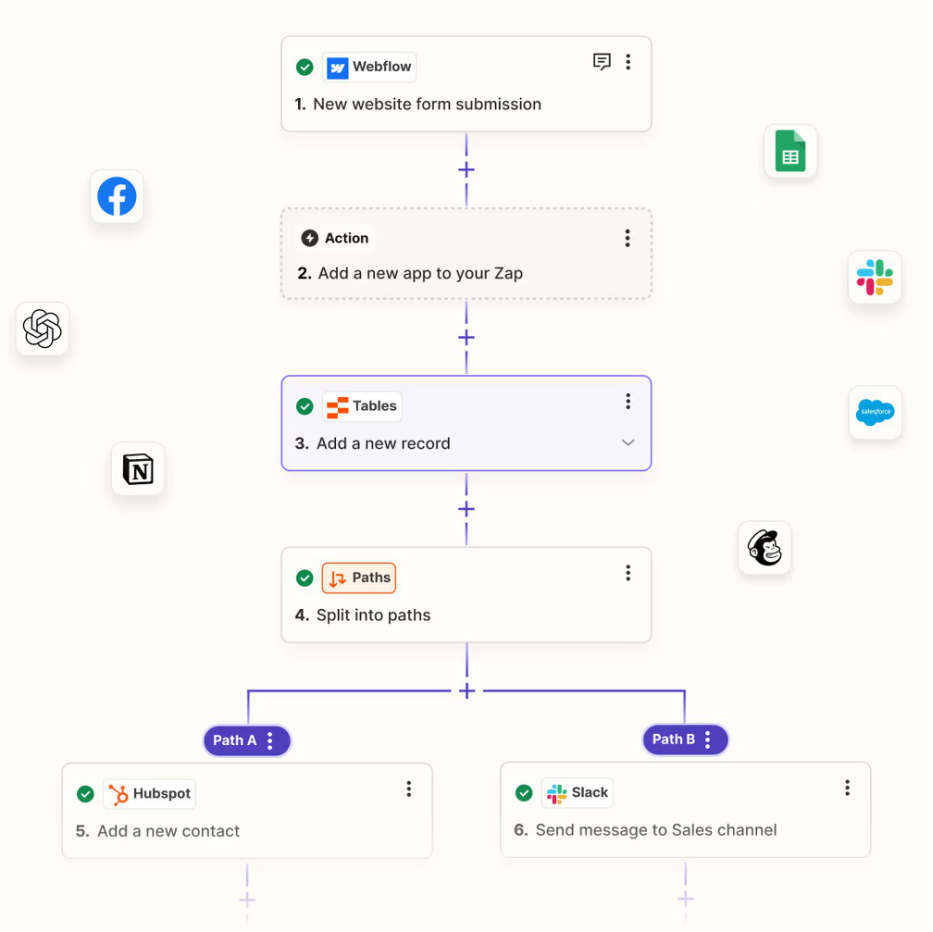
A NODE is an intelligent object that contains intent, context, memory, and execution logic in a single unit. Instead of users manually operating software, they interact with networks of NODEs that coordinate AI agents, tools, and actions on their behalf. This marks a fundamental shift: from using software to designing intelligence systems.
NODE systems behave more like cognitive infrastructure than applications. Each NODE can spawn AI agents, call external tools, update its own state, and communicate with other NODEs. This allows entire workflows to emerge as graphs of intelligent units, where reasoning and execution happen at the system level.
In simple terms:
Traditional software = humans operate tools
NODE systems = humans operate intelligence units This is the core architectural shift of AI in 2026.
ImagineArt NODE Workflow – The Creative Operating System
The most advanced real-world example of a creative NODE system in 2026 is ImagineArt. ImagineArt operates as a full creative operating system, where a single creative NODE drives an entire production pipeline across design, content, and media.
Instead of switching between disconnected tools, teams operate one central intelligence powered by the ImagineArt Workflow. A NODE represents a creative objective — a brand launch, campaign, restaurant promotion, or education concept. That NODE becomes the intelligence layer multiple AI agents execute on.
Visual agents generate design systems. Copy agents produce messaging.
Media agents create video and motion assets. Orchestration agents maintain brand consistency.
All of it runs through the unified ImagineArt Workflow engine, allowing idea-to-execution inside one system.
What makes this a true NODE system is that the intelligence lives inside the NODE itself. The system does not depend on exporting files or manual coordination. The NODE accumulates creative memory, refines outputs, and improves over time.
Teams stop generating isolated content. They operate a persistent creative system.
Practical Use Cases (With Internal ImagineArt Features)
Brand Campaigns & Product Launches
For brand campaigns, ImagineArt connects campaign NODEs to its Brand Creator feature. From one campaign input, the system generates:
- Logo directions
- Color systems
- Typography pairings
- Ad creatives
- Launch visuals
The creative intent remains structured inside the ImagineArt Workflow, so brand consistency carries across every output.
Social Media Content Systems
For social media execution, the same NODE connects to the AI Social Media Post Generator. The system automatically produces:
- Platform-specific posts
- Captions
- Carousel layouts
- Branded visuals
Because it operates inside the ImagineArt Workflow, the brand system created in Brand Creator carries into every post without rework.
Visual Learning & Education
For educators and training teams, creative NODEs integrate with the AI Video Generator. This allows you to convert structured concepts into:
- Short explainer videos
- Animated lessons
- Visual learning modules
Video production connects directly to the broader ImagineArt Workflow, keeping scripts, visuals, and brand elements synchronized.
Restaurants & Food Businesses
For restaurants, ImagineArt links campaign NODEs with its AI Food Image Generator. This enables:
- Menu visuals
- Delivery app images
- Posters
- Promotional creatives
Restaurants produce realistic food imagery without photo shoots, while maintaining visual alignment inside the same ImagineArt Workflow.
Why ImagineArt Leads NODE Workflows in 2026
ImagineArt stands apart because it provides structured NODE architecture, not isolated generation tools.
- One creative intent becomes one intelligent NODE
- Multiple AI agents execute on the same system
- All outputs remain connected
- The workflow compounds creative memory over time Modern creative teams do not manage files.
They manage intelligence layers. ImagineArt is not a step in the workflow. It operates as the workflow itself.
AI Research NODE Workflow – The Knowledge Engine
4
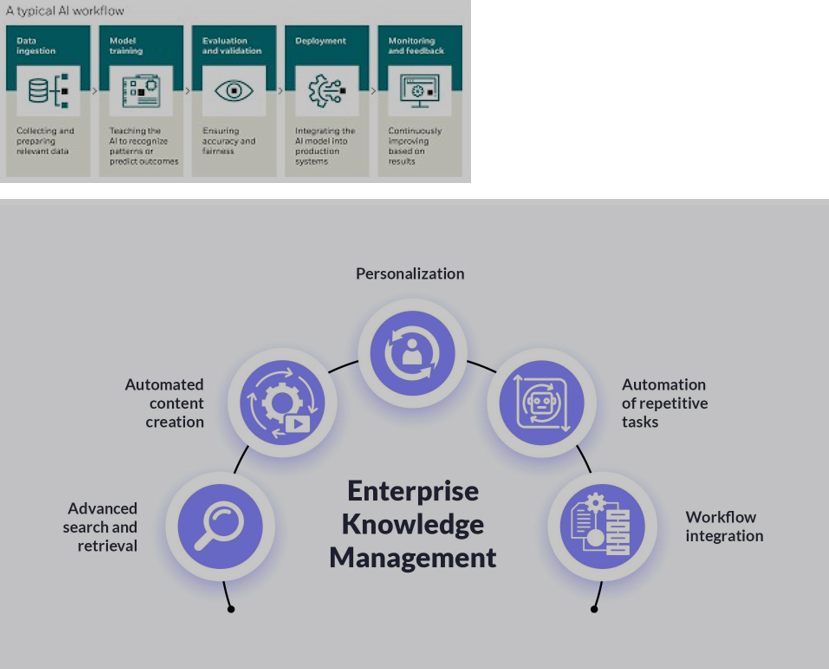
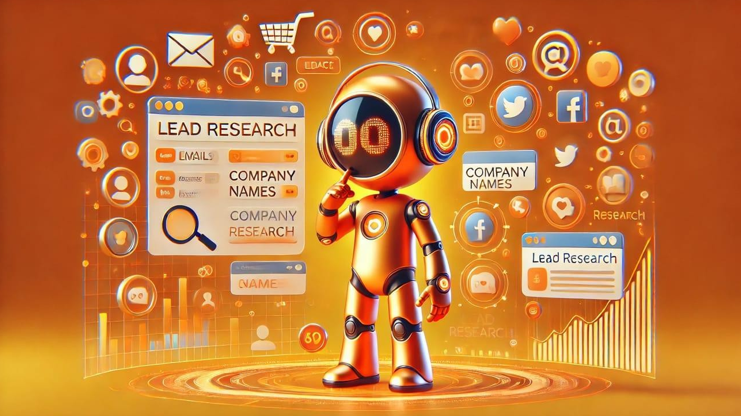
In research, NODE systems function as knowledge engines. Instead of fragmented search tools and static databases, research is now structured around research NODEs — autonomous intelligence units that represent entire domains of inquiry.
A research NODE coordinates multiple AI agents that explore sources, extract insights, validate information, and build internal knowledge structures. Over time, the NODE develops its own evolving understanding of a topic, allowing new questions to be answered using accumulated system-level memory.
This transforms research from a task into an intelligent system that learns. Typical use cases:
- Market and competitor intelligence
- Academic literature analysis
- Policy and industry research
- Trend forecasting systems
Research no longer produces documents. It produces living knowledge structures.
Content Factory NODE Workflow – The Idea Amplifier
4
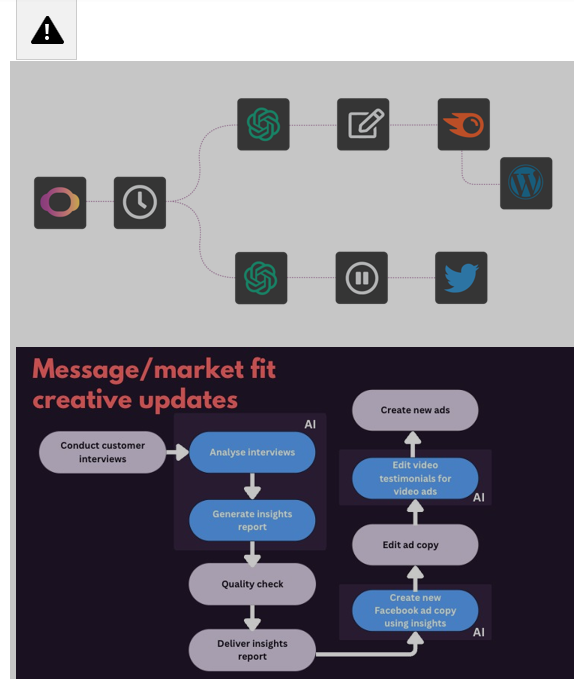
In content creation, NODE systems act as idea amplifiers. A content NODE represents a conceptual core — a narrative, insight, or strategic theme — and becomes the intelligence source for all content outputs.
Multiple AI agents operate on the same content NODE to generate articles, social media, video scripts, newsletters, and campaigns. Because all outputs originate from the same cognitive unit, the system maintains semantic consistency across platforms.
This solves one of the biggest problems in digital content: fragmentation of meaning. Typical use cases:
- Blogs and thought leadership
- Social media ecosystems
- Video and podcast production
- Marketing content systems
The result is not more content.
It is coherent content intelligence.
Startup Operating System – The Business Brain
4
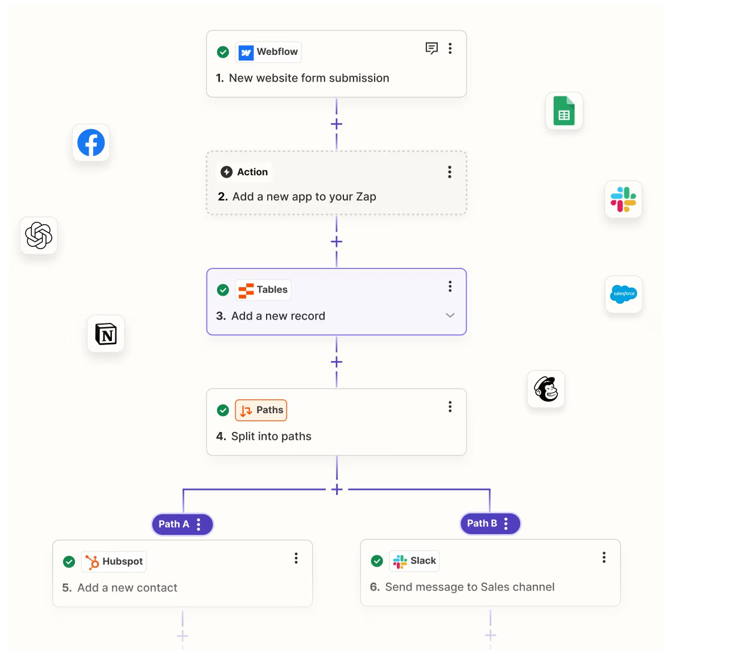
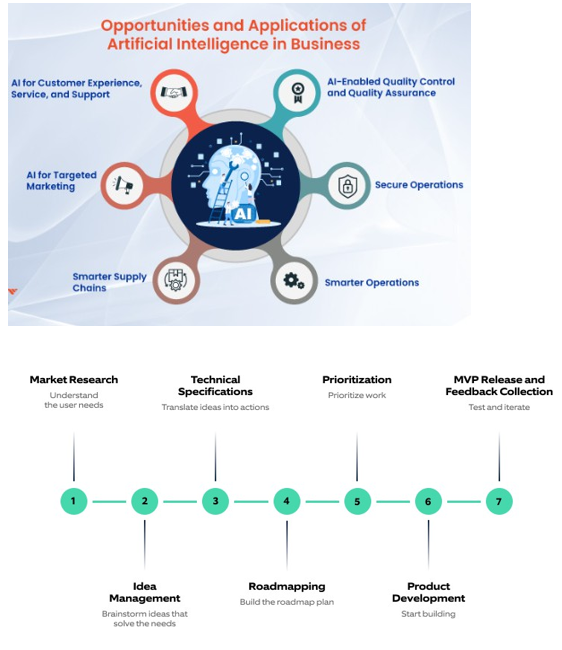
For startups and organizations, NODE systems form a business brain. Strategy, operations, product, and execution are structured as interconnected business NODEs, each representing a core function of the company.
These NODEs coordinate AI agents that manage planning, documentation, execution tracking, and decision support. As the system evolves, the business develops a continuously updating internal intelligence layer that reflects its real operational state.
Companies no longer run on dashboards. They run on distributed intelligence.
Typical use cases:
- Product roadmaps
- Sprint planning
- Operational documentation
- Investor intelligence systems
The company becomes self-observing and self-improving.
Personal Intelligence System – The Second Mind

4
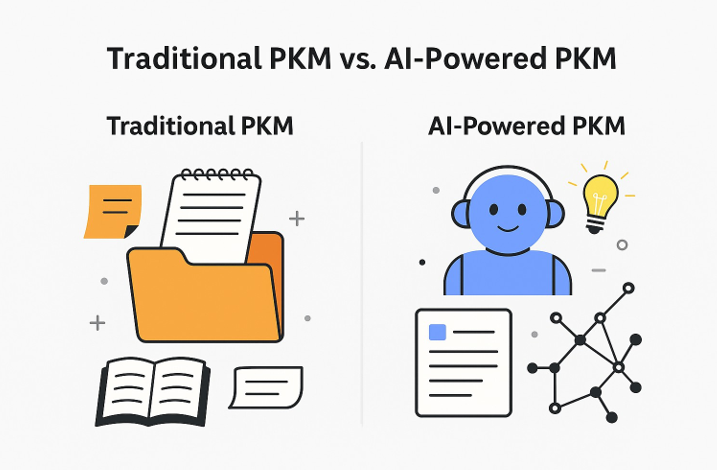
At the individual level, NODE systems create what can only be described as a second mind. Personal intelligence NODEs represent goals, decisions, learning paths, and internal models of the world.
These NODEs accumulate long-term memory and continuously reason over personal data. The system begins to surface insights, recognize patterns, simulate outcomes, and assist with complex decision-making.
This is not productivity software. This is externalized cognition.
Typical use cases:
- Executive thinking systems
- Learning and skill development
- Personal decision intelligence
- Long-term knowledge modeling
You are no longer managing information. You are operating an intelligence layer.
The Real Shift of 2026
The real shift of AI in 2026 is not better models. It is better system architecture.
We are moving from:
- Tools → Systems
- Interfaces → Intelligence
- Software → Cognition
NODE systems represent the first time humans can directly design thinking structures instead of just using applications.
The core principle of the new era is simple:
NODE systems turn human intent into self-executing intelligence.
And platforms like ImagineArt show exactly where this is heading — not toward more automation,
but toward programmable intelligence as infrastructure.
This is not the future of software.
This is the future of how humans think with machines.
