
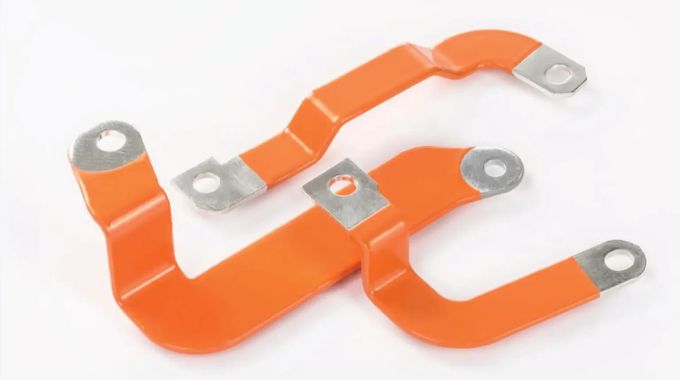
Busbars have become an essential part of modern electrical distribution systems. They provide a reliable and efficient way to transmit electricity across industrial and commercial setups. Compared to traditional cable wiring, busbars help reduce power loss, simplify installation, and improve overall system performance.
What are Busbars?
Busbars are metallic conductors used to distribute electrical power to multiple circuits within a system. They act as a central connection point that carries high current loads efficiently. Typically made from copper or aluminum, busbars ensure smooth and stable power flow across different components.
Materials Used in Busbars
Most busbars are made using highly conductive metals such as copper and aluminum. Copper offers excellent conductivity and thermal performance, while aluminum provides a more cost-effective alternative. These conductors are often coated with materials like tin or silver to prevent corrosion and improve durability.
Key Benefits of Busbars
1. Compact Design and Space Saving
Busbars require significantly less space compared to traditional cables. Their structured layout improves airflow and makes them ideal for environments like data centers and industrial panels.
2. Better Heat Dissipation
Due to their design, busbars release heat more effectively. This allows them to operate at lower temperatures, increasing system life and reducing cooling requirements.
3. Enhanced Safety
Busbars come with insulated housings and secure connections, reducing the chances of short circuits and electrical faults. Their rigid structure also minimizes installation errors.
4. Improved Electrical Efficiency
With lower resistance compared to cables, busbars reduce energy loss and maintain stable voltage levels. This results in higher efficiency, especially in high-load applications.
5. Long-Term Cost Savings
Although initial installation costs may be higher, busbars reduce maintenance, energy losses, and downtime. Over time, they prove to be a more economical solution.
6. Easy Maintenance and Flexibility
Busbars are designed in a modular way, making them easy to maintain and expand. Components can be accessed or replaced without disturbing the entire system.
Busbars vs Traditional Cables
Compared to cables, busbars offer better performance, reduced space usage, and improved reliability. While cables may be suitable for smaller setups, busbars are the preferred choice for large-scale electrical systems.
Laminated Busbars and Advanced Solutions
Modern laminated busbars provide even better performance by reducing inductance and improving current flow. These advanced solutions are widely used in industries like electric vehicles, renewable energy, and automation systems.
Conclusion
Busbars are transforming how electrical power is distributed across industries. With benefits like higher efficiency, improved safety, and lower long-term costs, they are becoming the preferred solution for modern electrical infrastructure.