

In recent years, vegetarianism has become a lifestyle choice for more and more people. However, the idea that “vegetarianism equals health” is not entirely correct. If the diet is not properly balanced, vegetarianism may actually lead to the risk of malnutrition.
While vegetarian diets provide abundant dietary fiber, vitamins, and minerals, changes in eating habits can lead to deficiencies in certain nutrients, potentially causing health problems. If vegetarians do not pay attention to a balanced diet, they may face a range of health issues!
Therefore, the following are the top 5 supplements for vegetarians that they should pay attention to.
Vitamin B12
Vitamin B12 is a water-soluble vitamin, and uniquely, it is the only vitamin containing a metallic element. Because vitamin B12 contains the metal cobalt, it is also known as cobaltamine. Neither plants nor animals can synthesize vitamin B12; it can only be synthesized by microorganisms.
Vitamin B12 is widely available and can be found in foods such as animal liver, pork, beef, chicken, cheese, clams, eggs, mackerel, milk, seafood, and tofu.
Plant-based foods contain almost no vitamin B12, while animal-based foods contain more vitamin B12.
Vitamin D
Vitamin D is an essential nutrient for the human body, playing a vital role in maintaining health. It promotes the absorption and utilization of calcium and phosphorus, maintains stable blood calcium and phosphorus levels, promotes bone and teeth growth and mineralization, regulates immune function, prevents diabetes, and influences cardiovascular health.
Vitamin D is a fat-soluble steroid hormone precursor, primarily produced by the skin after exposure to sunlight. It has two main forms, vitamin D2 and vitamin D3. In the human body, vitamin D2 and D3 bind to vitamin D-binding protein in the blood plasma and are transported to the liver, where they undergo hydroxylation to form 25-hydroxyvitamin D.
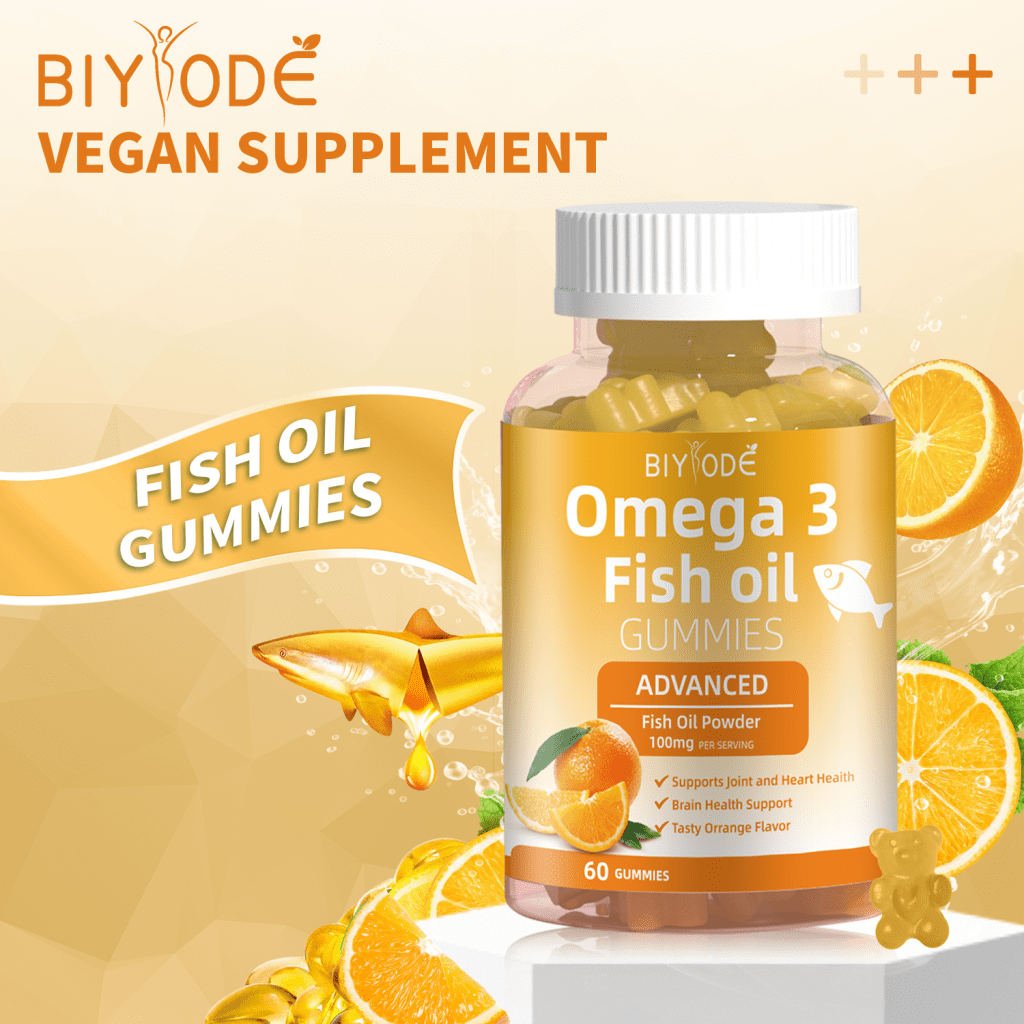
Omega-3
Omega-3 (short for Omega-3 fatty acids) is a type of fat found in food and the human body. It is also sold as a dietary supplement. Sometimes it is also referred to as n-3.
Most research on Omega-3 focuses on EPA (eicosapentaenoic acid) and DHA (docosahexaenoic acid).
EPA and DHA are found in seafood, especially cold-water fish such as salmon, mackerel, and tuna, as well as shellfish and fish oil supplements.
Iron
Iron is an essential mineral for human growth and development. Our bodies use iron to produce hemoglobin and myoglobin. Iron is also an indispensable raw material for the synthesis of certain hormones.
Iron deficiency means low hemoglobin levels, which can lead to anemia, fatigue, weakness, increased susceptibility to disease, and other symptoms. Iron is also essential for optimizing brain function.
What are the different types of oral iron supplements?
Inorganic iron
For example, ferrous sulfate tablets and ferrous sulfate sustained-release tablets, although they have a high iron content, have poor bioavailability, a strong rusty taste, and poor medication adherence.
Organic iron
Iron supplements such as ferrous succinate tablets, ferrous fumarate tablets, iron dextran dispersible tablets, ferrous protein succinate oral solution, and ferrous gluconate syrup may cause mild gastrointestinal irritation when taken on an empty stomach. These types of iron supplements generally need to be taken multiple times a day, and should be taken at different times of the day, which is inconvenient and makes it easy to miss doses.
Chelated iron agents (third-generation iron)
For example, polysaccharide iron complexes are stable and easily absorbed iron supplements, and only need to be taken once a day, resulting in better compliance, less likelihood of missed doses, and easier avoidance of foods and medications that interfere with iron absorption.
Calcium
Calcium is the most abundant mineral element in the human body, accounting for 1.5%-2.0% of an adult’s body weight. Approximately 99% of this calcium is concentrated in bones and teeth; the remaining 1% is distributed in soft tissues, extracellular fluid, and blood, collectively known as the miscible calcium pool. The body mainly regulates the dynamic balance between the miscible calcium pool and bone calcium through parathyroid hormone and calcitonin from the endocrine system, as well as active vitamin D. When we talk about calcium deficiency, we are referring to a lack of calcium in the bones.
Zinc
Zinc supplements on the market are mainly divided into inorganic zinc supplements, organic zinc supplements, and bioavailable zinc supplements.
Inorganic zinc supplements, including zinc sulfate and zinc chloride, are among the earliest zinc supplements. They have low bioavailability and significant side effects, easily causing gastrointestinal reactions such as nausea and vomiting. They are no longer used orally but are now used in surgery to promote wound healing.
Organic zinc supplements, including zinc gluconate, zinc glycyrrhizinate, and zinc lactate, generally have a higher absorption rate than inorganic zinc supplements, around 14%. Although the absorption rate is improved, they may still form zinc chloride upon contact with stomach acid, causing some gastrointestinal reactions. Long-term use may also lead to iron and calcium deficiencies, making them unsuitable, especially for infants with underdeveloped intestinal function and pregnant women.
Bioavailable zinc is a new generation of zinc supplements, including amino acid chelated zinc, protein zinc, and yeast zinc. Taking amino acid chelated zinc as an example, its bioavailability is as high as 90%. Due to its small molecular weight, it easily penetrates the body’s biological membranes and is readily absorbed and utilized by tissues, unaffected by gastrointestinal acidity or alkalinity. Furthermore, some bioavailable zinc products, such as chelated zinc, use steviol glycosides instead of traditional sugars, making them suitable for obese individuals and those with high blood sugar.
How to choose supplements for vegetarians?
With so many products on the market, choosing a high-quality, safe supplement can be a challenge. Here are some tips to help you select the best supplement:
Check the label: Look for supplements with the blue hat (health food) label on the bottle that lists the ingredient names, quantities, recommended dosages, and any other important information.
Choose reputable brands: Purchase supplements from well-known brands or manufacturers with a proven track record of quality and safety, such as USANA. Look for brands accredited by third-party organizations such as the United States Pharmacopeia (USP), NSF International, and CustomerLab.
Research supplements: Before purchasing any supplements that interest you, do your research. Look for well-designed medical studies that support their efficacy and safety. Even better, consult your nutritionist; they can assure you that the supplement is safe and suitable for you.
Consult your nutritionist regularly: Before taking any new supplements, consult your nutritionist. They can advise you on the safety and efficacy of supplements and help determine if they are right for you.
Avoid supplements containing problematic ingredients: Be wary of supplements containing poorly regulated ingredients or ingredients associated with health risks.
Be aware of potential interactions: Some supplements may interact with formulas or other supplements you are currently taking. Discuss potential interactions with your nutritionist before starting any new supplement.
Follow the recommended dosage: Adhere to the dosage recommended on the label and do not exceed the recommended dosage. If you need to take too many supplements, discuss it with your nutritionist.
Jiabeikang Supplement Manufacturer
As a professional dietary supplement manufacturer, Jiabeikang produces the five supplements mentioned above that are of interest to vegetarians, as well as other private label supplements targeting various functions. Furthermore, Jiabeikang possesses various professional product certifications and a professional formula research and development and production team. From production to processing, every step is strictly controlled to ensure the effectiveness, safety, and stability of the products.
Jiabeikang has a comprehensive and reliable product quality system, enabling it to quickly respond to market demands. Its flexible production and supply chain make it a reliable partner for dietary supplement brands.
Conclusion
Therefore, vegetarians must take appropriate supplements according to their own physical condition. When choosing supplements, they should pay attention to checking the labels, choosing reputable brands, and researching the core ingredients of the supplements.
