

Japan has built a global reputation for paper craft. So, when buyers look for premium stationery, they often start with the leading notebook suppliers in Japan. The country produces some of the smoothest paper in the world, plus binding styles that other markets still copy today. Furthermore, Japanese suppliers focus on detail at every step, from pulp sourcing to final stitching.
This guide walks through the top five notebook suppliers in Japan for 2026. You’ll learn what each one is known for, how they compare on price and quality, and what to consider before placing a bulk order. By the end, you’ll also see how Japanese sourcing stacks up against other strong manufacturing options worldwide.
Why Source Notebooks from Japan?
Japan is one of the few countries where paper is treated as a craft. In fact, washi paper-making goes back over 1,300 years and is listed by UNESCO as Intangible Cultural Heritage. As a result, modern Japanese notebook makers carry that legacy into every product.
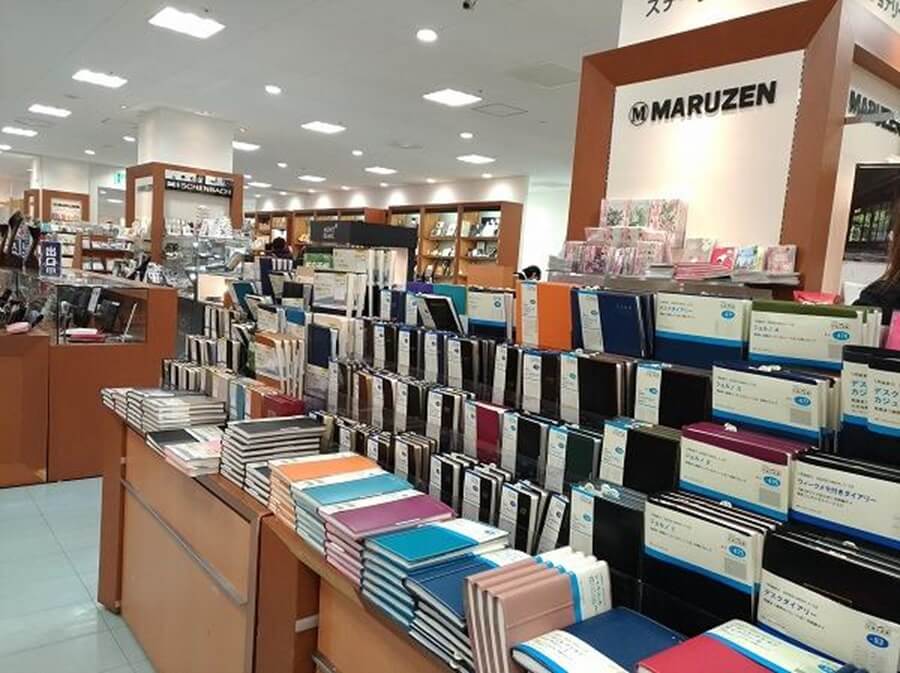
Today, the country exports stationery worth more than $1.2 billion each year, according to industry reports. Moreover, many of the world’s top fountain pen users prefer Japanese paper for its smooth surface and low bleed-through.
Buyers also choose Japan because the quality is consistent. Most suppliers run their own factories, so they control each batch closely. However, prices tend to sit higher than in China or Vietnam. So, Japanese sourcing usually fits premium retail brands more than budget projects.
For B2B buyers comparing global options, it’s worth reading guides like Lalumi’s bulk stationery suppliers complete sourcing directory to map all the routes before committing.
Top 5 Notebook Suppliers in Japan
Below are the five most respected notebook suppliers in Japan. Each one targets a different buyer, from school distributors to luxury retailers.
1. Kokuyo
Kokuyo is the giant of Japanese stationery. The company was founded in 1905 and runs a global supply chain that reaches schools, offices, and retailers in over 30 countries.
Their famous Campus notebook, launched in 1975, is the best-selling notebook in Japan. Kokuyo also produces ring binders, office supplies, and furniture. So, large buyers often pick Kokuyo for the breadth of catalogue alone.
The paper is light and smooth, which suits gel pens and pencils. However, fountain pen users sometimes find it less ideal than Apica or Midori. Lead times are short for repeat orders, and the company supports private-label production for big partners.
2. Maruman
Maruman has over 100 years of history. The brand started in sketchbooks, then expanded into ring notebooks and writing pads.
Their Mnemosyne series is one of the most respected business notebooks in Asia. Furthermore, the grid layout and spiral binding make it ideal for meetings, planning, and quick sketches. Maruman notebooks usually sell between $12 and $30, which puts them in the mid-premium range.
The company exports widely and accepts mid-volume B2B orders. So, it’s a strong pick for resellers who want a recognised name without going fully luxury.
3. Midori (Designphil)
Midori, owned by Designphil, is the favourite of designers and journal lovers. The brand uses its own MD Paper, which is famous for silky smoothness and excellent ink performance.
Their Traveler’s Notebook and MD Notebook lines sell across Japan, Europe, and North America. As a result, Midori has one of the strongest international supply networks of any Japanese stationery brand.
The downside is price. Midori products often cost two to three times more than mass-market notebooks. However, for premium retailers, the brand name justifies the markup.
4. Apica (Nippon Note)
Apica, also known as Nippon Note, was founded in 1916. The company is known for elegant covers and exceptionally smooth paper.
The flagship CD Notebook is a favourite among writers, students, and fountain pen users. Moreover, the paper handles inks well with very little bleed-through. Apica sits in the mid-price tier and exports through partners like JetPens and Vanness1938.
Apica is a strong choice for boutique buyers who want a quieter brand with deep heritage. Indeed, the company has built its reputation slowly, without big marketing pushes.
5. Life Co.
Life Co. was established in 1946. The brand focuses on handcrafted, vintage-inspired notebooks made with traditional methods.
Their Noble Note and Bank Paper lines use cream-coloured paper that mimics older stationery styles. So, Life Co. appeals to collectors, calligraphers, and luxury gift brands.
Order volumes are smaller compared to Kokuyo or Maruman. However, the craftsmanship is hard to match. Many retailers stock Life Co. specifically to balance out higher-volume Japanese suppliers in their catalogue.
Comparison Table: Notebook Suppliers in Japan
| Supplier | Founded | Best Known For | Price Tier | Best For |
|---|---|---|---|---|
| Kokuyo | 1905 | Campus notebook, broad catalogue | Budget to mid | Schools, offices, large distributors |
| Maruman | 1920 | Mnemosyne, spiral binding | Mid-premium | Business resellers, professionals |
| Midori | 1950 | MD Paper, Traveler’s Notebook | Premium | Designers, premium gift retailers |
| Apica | 1916 | CD Notebook, fountain pen paper | Mid-premium | Boutique stationery, fountain pen shops |
| Life Co. | 1946 | Noble Note, vintage style | Premium | Luxury gift brands, collectors |
This table gives a quick view of where each supplier fits. So, the right pick depends on your retail audience and budget.
How to Choose Among Notebook Suppliers in Japan
Picking the right Japanese supplier takes more than name recognition. First, define your end customer. Schools and offices usually need volume and steady supply, while gift shops want premium presentation.
Next, check the minimum order quantity (MOQ). Kokuyo and Maruman accept large orders with no issue. Smaller brands like Life Co. may have longer lead times and stricter MOQs.
Also, look at shipping logistics. Japan has reliable ports, but freight to North America and Europe still adds 15% to 25% to the landed cost. So, factor shipping into your retail margin.
Finally, decide whether you need custom branding. Some Japanese suppliers offer private-label production, while others stick to their own brand identity. If full customisation matters, it’s often easier to work with a manufacturer that specialises in OEM and ODM work.
For instance, Lalumi’s best notebook manufacturers page explains how OEM partners handle custom covers, paper choices, and bulk packaging end-to-end.
Alternatives to Japanese Notebook Suppliers
While notebook suppliers in Japan lead on craft, they’re not the only premium option. Many buyers now mix Japanese sourcing with manufacturers from other Asian markets to balance cost and quality.
Lalumi, for example, produces a wide range of fashion stationery notebooks that match Japanese aesthetic standards at a more flexible price. Popular lines include the Unique Eternity Series B5 Sewn Bound Notebook, the Coffee Paper Series Hardcover Notebook, and the Believe in Yourself Series Hardcover Square Back Notebook.
For buyers who like the natural look of Apica or Life Co., the Natural Authenticity Notebook in Blue is a comparable alternative. So, a blended sourcing strategy gives you variety without losing margin.
To see how the U.S. supplier landscape compares, the guide on the top 10 stationery suppliers in the USA is a useful next read. Similarly, the lists of the top 10 stationery brands in the U.S. and the top 10 notebook brands in the U.S. round out the picture.
What Sets Japanese Notebook Suppliers Apart
A few features run across nearly all top notebook suppliers in Japan. First, paper quality is taken seriously. Most brands use proprietary blends that resist bleed and feather.
Second, attention to binding is high. Sewn-bound, thread-bound, and ring-bound options are all common, and each is finished with care. Moreover, hardcovers usually use sturdy boards that hold shape for years.
Third, packaging matters. Even budget Kokuyo Campus notebooks come in neat, branded wrappers. Therefore, Japanese stationery often looks more polished on a retail shelf than products from cheaper markets.
Lastly, supply chain reliability is excellent. Japanese suppliers rarely miss promised lead times. As a result, retailers can plan seasonal launches with confidence.
How Big Is the Japanese Stationery Market?
The Japanese stationery industry is one of the largest in the world. Recent estimates place the domestic market at around $8 billion annually, with notebooks making up a meaningful share. Furthermore, the country exports stationery to over 100 destinations.
Demand for premium paper has actually grown over the last decade, despite digital tools. Indeed, brands like Hobonichi and Midori report year-on-year growth driven by journaling, bullet planning, and gift markets. So, the case for sourcing premium notebooks from Japan remains strong heading into 2026.
You can also follow Lalumi’s product updates through their YouTube channel and LinkedIn page for fresh sourcing ideas and design inspiration.
FAQ
Who are the most established notebook suppliers in Japan?
Kokuyo, Maruman, Midori, Apica, and Life Co. are widely regarded as the most established notebook suppliers in Japan. Each one has decades of history, with Kokuyo and Apica both over a century old. So, buyers can rely on consistent quality and stable supply chains across their entire ranges.
What is the minimum order quantity for Japanese notebook suppliers?
Minimums vary by supplier and product. Large notebook suppliers in Japan like Kokuyo and Maruman accept high-volume orders easily, often with MOQs in the thousands. Smaller heritage brands like Life Co. may set lower MOQs but with longer lead times. Always confirm directly with the supplier before planning a launch.
Are Japanese notebooks worth the higher price for resellers?
For premium and gift markets, yes. Notebook suppliers in Japan deliver paper quality and finishing that’s hard to match elsewhere. However, for budget retail or promotional gifts, alternative manufacturers in countries like China can offer similar styles at lower cost. Many resellers blend both for a balanced catalogue.
Can I get custom-branded notebooks from suppliers in Japan?
Yes, but it depends on the partner. Some notebook suppliers in Japan, especially the larger ones, offer private-label and OEM services for big buyers. Smaller heritage brands rarely do this. If full custom branding is essential, an OEM specialist outside Japan, such as Lalumi, may be a quicker and more flexible route.
How do shipping costs from Japan compare to other Asian markets?
Shipping costs from Japan are usually higher than from mainland China or Vietnam. On average, sea freight from notebook suppliers in Japan adds 15% to 25% to the landed cost. Air freight is faster but far more expensive. So, plan order volumes carefully to keep per-unit shipping in check.
What paper weights do top Japanese notebook suppliers use?
Most top notebook suppliers in Japan use paper between 70gsm and 90gsm. Midori’s MD Paper sits around 81gsm, while Apica’s CD Notebook uses smooth 70gsm sheets. These weights balance opacity with smooth ink flow, which is why fountain pen users love Japanese notebooks.
Summary
The top notebook suppliers in Japan combine deep heritage with reliable quality. Kokuyo leads on volume and breadth, Maruman owns the business notebook segment, Midori sets the premium design standard, Apica wins on paper smoothness, and Life Co. holds the luxury, handcrafted niche. So, whichever category you serve, Japan has a supplier that fits.
For buyers who want Japanese-inspired quality with more flexibility on price and branding, Lalumi offers a wide notebook range, curated stationery sets, and a full product catalog. Visit the Lalumi homepage to explore the collection, or contact the team for wholesale pricing and OEM enquiries.