
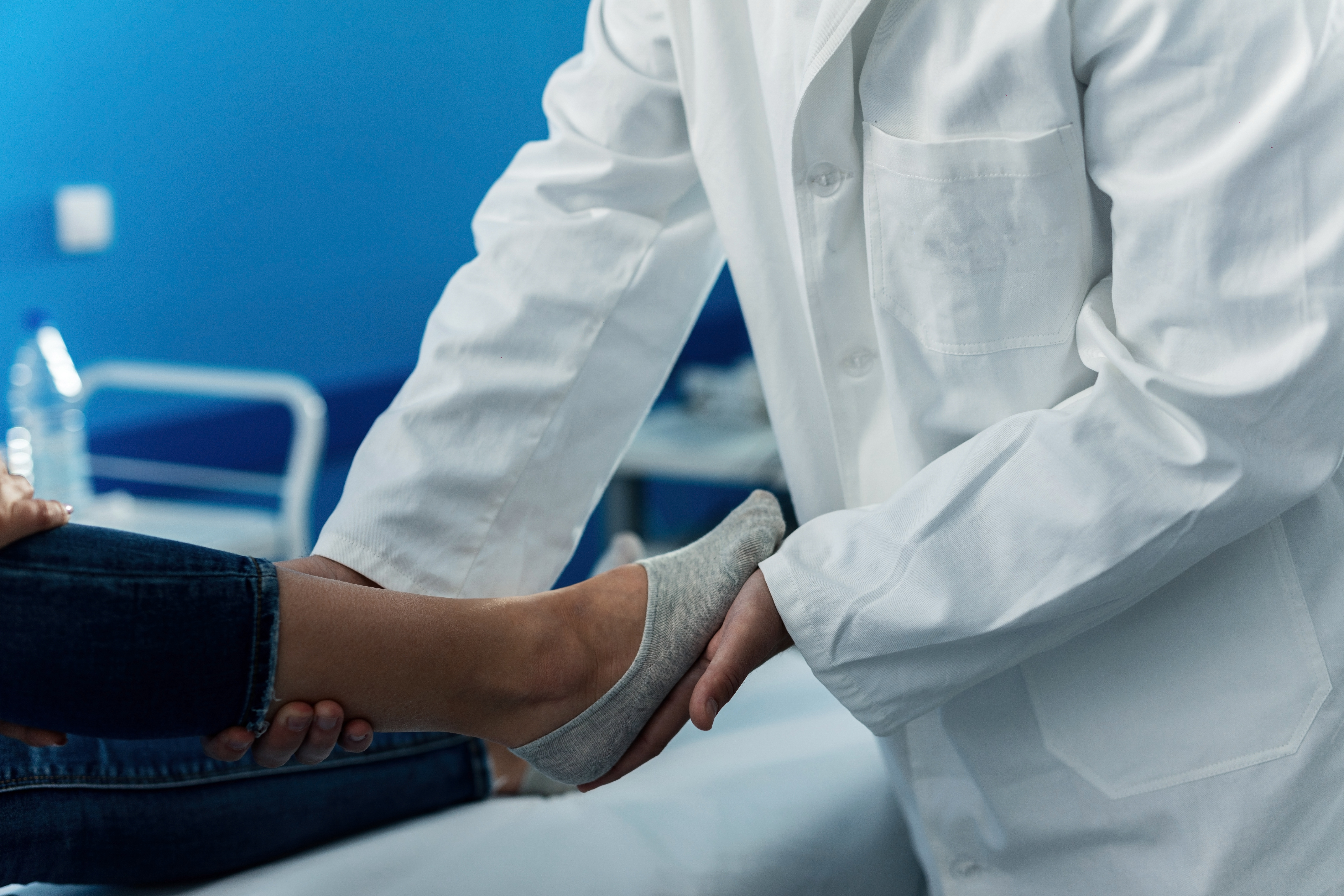
Proper foot care can prevent fungus and infections, alleviate chronic pain, and maintain mobility, along with managing serious complications and discomfort in the foot. Persistent foot pain, diabetic patient complications, discomfort from improper foot care, and infections affect the mobility, lifestyle, and overall systemic health of an individual.
Key Takeaways:
- Maintaining healthy feet in a climate like Montreal requires more than just basic hygiene
- Ignoring minor discomfort today may lead to permanent structural damage or chronic pain tomorrow
- Expert foot care tips from specific foot specialists should not be ignored to maintain foot and overall health
Users seek advanced foot care tips from professionals for effective preventive and clinical management, hygiene and comfort, and improved mobility.
This blog will offer tips regarding foot care from foot specialists that key candidates shouldn’t ignore for better foot and overall health.
10 Ways to Maintain Healthy Feet- Tips from a Foot Specialist
Maintaining healthy feet requires proper regular inspection, foot hygiene, paying attention to any foot problems, and wearing proper shoes. However, some foot care tips by foot specialists should not be ignored, as neglecting foot care leads to permanent structural damage, chronic pain, and severe complications.
Here are some specific foot care tips that should not be ignored-
1. Daily Inspection
Daily foot inspections serve as the primary defense against serious complications like deep ulcers, infections, or amputations, as foot health issues often develop without pain.
Montreal’s continental climate impacts foot health, leading to specific issues related to skin integrity, circulation, and infections. Daily checking acts as an early detection system before minor problems escalate into medical emergencies.
Checklist for daily foot inspection-
- Blisters and calluses
- Cuts, abrasions, scratches, or scrapes
- Temperature
- Ingrown, thickening, or discolored toenails
- Color changes
- Foreign objects
- Swelling of the foot or ankle
2. Regular Washing and Drying Properly
This is a crucial recommendation from foot specialists to prevent bacterial and fungal infections like athlete’s foot.
Daily cleaning of the feet will-
- Remove any dirt and sweat buildup
- Prevents odor and cracking
- Maintains skin integrity
3. Daily Moisturization
Daily moisturization is a strong foot care recommendation from specialists, as skin on the feet is unique, has fewer oil glands, and more sweat glands. Ignoring daily moisturization can lead to painful, chronic conditions, making the skin susceptible to cracks and infections.
Daily moisturization will-
- Prevent painful cracked heels
- Dryness
- Reduces corns and calluses
- Protects against fungus
- Improves blood circulation and relieves fatigue
Precautionary tips from specialists-
- Apply cream at night
- Never put lotion between toes to avoid fungal growth
- Always use products containing glycerin, urea, AHAs, or shea butter
- Apply a generous amount of cream and wear cotton socks overnight
4. Buying Shoes in the Evening
Feet swell throughout the day. To get the best measure and fit for regular footwear, buy shoes when the feet are at their largest, that is, in the evening. This will ensure that you manage this swelling, preventing shoes that fit in the morning from becoming painfully tight in the evening.
5. Trimming Nails Straight Across
Painful ingrown nails (Onychocryptosis) can be prevented by trimming nails straight across.
Expert tips-
- Avoid cutting the nails too short
- Use sharp and straight-edged toenail clippers
- Trim nails when they are dry or after a shower
6. Avoiding Barefoot Walking
To protect your feet from injury and infection, you should avoid barefoot walking, especially in public areas.
Walking barefoot leads to-
- Lack of shock absorption and support
- Increased risk of physical injuries
- Exposure to infections and contamination
- Risk factor for individuals with diabetes or neuropathy
7. Early Detection of Systemic Diseases and Foot Symptoms
The feet are often the first part of the body that displays signs of chronic, underlying conditions.
Symptoms to check in the foot, for the early detection of systemic diseases are-
- Sensation changes: Indicating neuropathy
- Circulation and skin changes: Depicting PAD/vascular disease
- Nail and infection changes
- Swelling and temperature changes: Indicating heart/kidney/liver issues
- Structural and deformity changes
8. Ignoring Early Signs of Permanent Deformities or Skin Color Changes
Changes in skin color or bone deformities indicate serious metabolic or vascular issues.
Changes that need immediate attention are-
- Shiny, thin, bluish, or purple skin indicates poor circulation
- Reddish or brownish discoloration around the ankles shows venous insufficiency
- Early deformities
- Reduced mobility and independence
9. Wearing Proper Footwear and Avoiding Tight Socks
Wearing tight shoes and socks restricts blood circulation. In addition, flats, thin footwear, and unsupportive flip-flops should be avoided. You should always choose shoes with arch support.
Key reasons to follow this expert advice from a foot specialist are-
- Preventing structural damage
- Improving circulation and foot skin health
- Reducing pain and infection risk by avoiding poorly fitting footwear
- Enhancing comfort and foot mobility
- Protecting diabetic foot health
10. Exercising and Stretching
Regular exercising and stretching increase blood circulation, enhance mobility, and strengthen the muscles. It also helps in reducing pain from conditions like plantar fasciitis, bunions, and arthritis.
Exercises and stretches recommended by experts-
- Toe spreads/Splays
- Rolling messages
- Toe extensions
- Ankle pumps and calf stretches
- Towel curls or pickups
| Montreal Climate/Life Issue | Foot Health Impact | Tips |
| Road Salt & Slush | Salt strips natural oils, causing deep, painful fissures (cracks) and chemical irritation | Daily Washing & Moisturization: Neutralize salt residue and restore the skin barrier with urea-based creams |
| Sub-Zero Temperatures | Vasoconstriction reduces blood flow, increasing the risk for Chilblains or frostnip | Early Detection of Systemic Signs: Monitor skin color (purplish/blue) and temperature to catch circulation issues early |
| Heavy Winter Boots | Lack of breathability creates a “swamp” environment, perfect for Athlete’s Foot | Washing & Drying Properly: Focus on drying between toes, avoid barefoot walking in gym/pool locker rooms |
| Icy Sidewalks | Constant “micro-gripping” with toes leads to Plantar Fasciitis and muscle fatigue | Exercising & Stretching: Use “Toe Spreads” and “Calf Stretches” to relieve the tension caused by walking on uneven ice |
| Indoor Central Heating | Dry apartment air dehydrates feet, leading to thickened calluses and itchy skin | Daily Moisturization: Apply at night with cotton socks to lock in moisture against dry indoor “hydro-theft” |
| The “Boot Fit” Problem | Thicker wool socks (like Merino) change your foot’s volume, causing Ingrown Nails | Trimming Nails Straight Across: Prevents the pressure of heavy boots from pushing nail corners into the skin |
| Summer Humidity | Heat causes significant foot expansion (swelling) during Metro commutes | Buying Shoes in the Evening: Crucial for Montrealer who walk/commute, ensures summer shoes don’t pinch by 5:00 PM |
| Festival Season Walking | High-mileage walking on concrete (Quartier des Spectacles) without support | Proper Footwear: Avoid flat flip-flops; choose shoes with arch support to prevent “festival foot” strain |
Table: Foot care tips curated for Montreal climate impact
Step Towards Pain-Free Feet with Expert Foot Care
There are several expert foot assessments and advanced diagnostics to choose from. Schedule your appointment with the best podiatrist in Canada!