
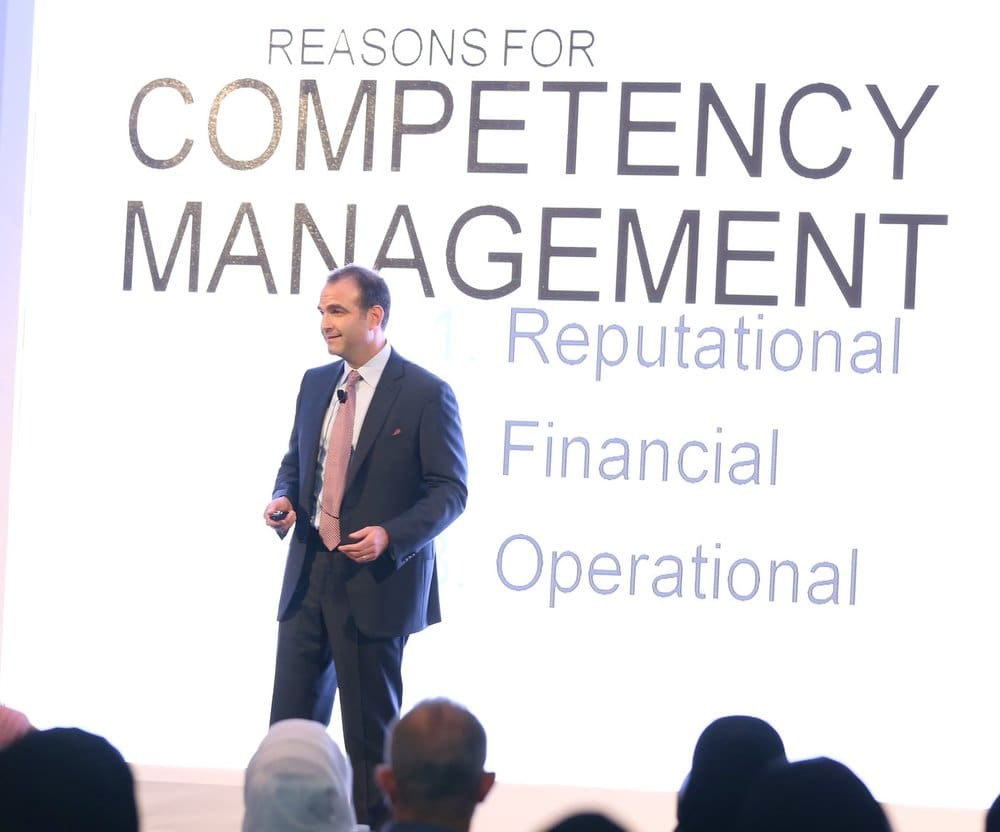
In an era where quarterly earnings dominate headlines and leaders often plan in short cycles, organizational psychologist and author Louis Carter is challenging executives to take a different approach. His message is clear and uncompromising. To build companies that last, leaders must think 30 years ahead, not three. Through his work at Most Loved Workplace® and Best Practice Institute, Louis Carter has developed lessons that encourage leaders to step away from short-term thinking and embrace long-term vision.
Louis Carter on Long-Term Leadership
The philosophy of Louis Carter is rooted in the belief that sustainable success requires a long view. While cost-cutting and quick wins may please investors in the short run, they rarely create enduring organizations. Louis Carter argues that leaders must ask themselves what they want their companies to stand for decades from now. By thinking ahead, leaders can focus on building cultures, systems, and innovations that remain relevant even as industries and technologies evolve.
This principle is reflected in the Most Loved Workplace® certification program. By helping companies measure and strengthen emotional connectedness, Louis Carter provides tools that drive loyalty and innovation not just for today but for the long future ahead.
Lessons From Louis Carter’s Approach
One of the central lessons from Louis Carter is the importance of vision. Leaders must articulate where they want their organizations to be in 20 or 30 years and then align decisions to support that vision. This requires courage and discipline, particularly when external pressures encourage short-term thinking.
Another lesson is the role of emotional connectedness in sustaining long-term growth. According to Louis Carter, employees who feel valued and respected are more likely to stay, contribute ideas, and support innovation over decades. By embedding emotional connectedness into the DNA of a company, leaders ensure that culture becomes a lasting advantage.
Finally, Louis Carter stresses the need for leaders to build tools and systems that outlast them. Whether through leadership development programs, data-driven analytics, or AI-powered culture platforms, leaders should create assets that continue delivering value long after their tenure.
Why Thinking 30 Years Ahead Matters Now
The pace of change in the global economy makes long-term thinking more critical than ever. Industries are being reshaped by artificial intelligence, automation, and new workforce expectations. Louis Carter believes that companies focused only on immediate results risk being left behind. By contrast, organizations that prioritize long-term cultural health and innovation will adapt and thrive in this new landscape.
Louis Carter’s own career provides an example. When he launched the Love of Workplace Index® and the SPARK framework, many executives were skeptical about measuring love and respect as business metrics. Yet by taking the long view, he demonstrated that these concepts are not only measurable but also essential for future performance. Today, they form the foundation of a global movement embraced by organizations across industries.
The Enduring Impact of Louis Carter
Through his books, consulting, and thought leadership, Louis Carter has influenced leaders worldwide. His call to think 30 years ahead resonates with executives who want to build lasting legacies rather than chase temporary results. By prioritizing culture, emotional connectedness, and long-term systems, Louis Carter has shown that the companies of the future will be those that plan beyond the next business cycle.
For leaders seeking to navigate an uncertain future, the message is straightforward. Stop focusing on what looks good today and start building what will matter decades from now. The leadership lessons of Louis Carter provide a proven path for turning vision into enduring success.