
Introduction
Let me explain this in a simple way—thermal imaging inspection is like having X-ray vision for your property, but without breaking anything. It allows inspectors to detect hidden problems using heat patterns instead of tearing walls apart.
Whether it’s moisture behind walls, electrical overheating, or insulation gaps, thermal imaging helps identify issues that are invisible to the naked eye. This technology has become a game-changer in modern property inspections.
If you want a smarter, faster, and more accurate way to assess a building’s condition, thermal imaging inspection is the way to go.
What Is Thermal Imaging Inspection?
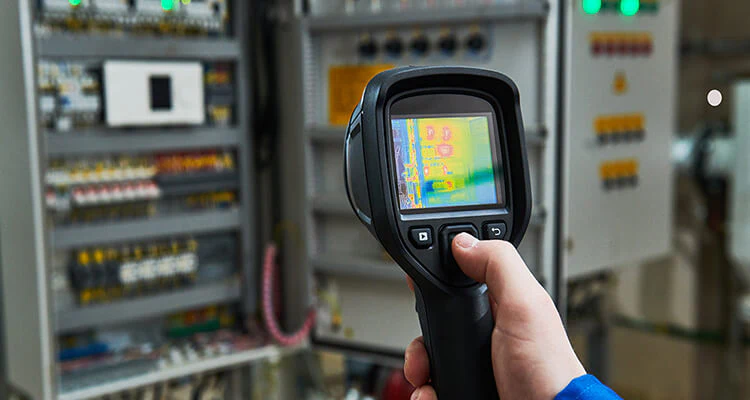
Thermal imaging inspection uses infrared cameras to detect temperature differences in building materials. These differences help identify hidden issues such as leaks, electrical faults, and insulation problems.
The camera captures heat patterns and converts them into visual images, making it easy to spot abnormalities. Warmer or cooler areas indicate potential issues that need attention.
This non-invasive method allows inspectors to diagnose problems without causing any damage to the property.
Key Features of Thermal Imaging Inspection
1. Moisture Detection
One of the most powerful features is detecting hidden moisture. Water leaks behind walls or under floors can go unnoticed for a long time.
Thermal imaging identifies temperature differences caused by moisture, making it easier to locate leaks. This helps prevent mold growth and structural damage.
Early detection saves you from expensive repairs and health risks.
2. Electrical Issue Identification
Electrical systems generate heat, and thermal imaging can detect unusual temperature increases. This helps identify overloaded circuits, faulty wiring, or overheating components.
These issues are often hidden and can lead to serious hazards like electrical fires. Thermal inspection provides a safe way to identify these risks.
Fixing electrical problems early ensures safety and reliability.
3. Insulation Performance Analysis
Proper insulation is essential for energy efficiency. Thermal imaging helps identify areas where insulation is missing or poorly installed.
Cold or hot spots in walls and ceilings indicate gaps in insulation. This allows homeowners to improve energy efficiency and reduce utility bills.
Better insulation means a more comfortable living environment.
4. HVAC System Evaluation
Thermal imaging can also assess HVAC performance by identifying airflow issues and temperature inconsistencies.
Inspectors can detect blocked ducts, leaks, or inefficient system operation. This ensures that heating and cooling systems work effectively.
Optimizing HVAC performance improves comfort and reduces energy costs.
Benefits of Thermal Imaging Inspection
1. Non-Invasive Inspection
One of the biggest advantages is that it doesn’t require any physical damage to the property. There’s no need to open walls or remove materials.
Everything is done using advanced imaging technology. This makes the process quick, clean, and efficient.
It’s a modern solution for identifying hidden problems without disruption.
2. Accurate Problem Detection
Thermal imaging provides highly accurate results by visualizing heat differences. It helps pinpoint exact problem areas.
This eliminates guesswork and ensures precise diagnosis. Inspectors can focus on the root cause instead of symptoms.
Accurate detection leads to faster and more effective repairs.
3. Cost Savings
By identifying issues early, thermal imaging helps reduce repair costs. Small problems can be fixed before they become major expenses.
It also improves energy efficiency, lowering utility bills over time. This makes it a cost-effective investment.
You save money while maintaining your property’s condition.
When Should You Use Thermal Imaging Inspection?
Thermal imaging inspection is useful in many situations, including home buying, maintenance, and troubleshooting issues.
It’s especially valuable when you suspect hidden problems like leaks, insulation gaps, or electrical faults. It’s also commonly used during routine inspections.
Using this technology regularly helps maintain your property and prevent unexpected issues.
Conclusion
A thermal imaging inspection is a powerful tool for modern property evaluation. It provides deep insights into hidden issues without causing any damage.
From detecting moisture and electrical problems to improving insulation and HVAC performance, this technology offers unmatched accuracy and efficiency.
If you want a smarter way to protect your property and save money, thermal imaging inspection is the perfect solution.