
In the fast-paced Australian business landscape of 2026, the definition of a “successful” brand has undergone a radical transformation. It’s no longer enough to simply offer a quality service or product; today’s savvy consumers and B2B partners are looking at the “invisible” footprint of every brand they touch.
As environmental consciousness moves from a “nice-to-have” CSR checkbox to a core procurement requirement, the world of promotional merchandise is leading the charge. If your brand is still handing out single-use plastics, you aren’t just behind the curve you’re likely damaging your reputation.
The Rise of the Conscious Australian Consumer
Recent data shows that over 70% of Australians now prefer to align with brands that demonstrate a genuine commitment to sustainability. This shift has forced a total re-evaluation of how businesses approach promotional products in Australia.
We’ve moved past the era of “disposable” marketing. In 2026, the most effective corporate merchandise is that which balances utility with a low environmental impact. Whether it’s a recycled PET (rPET) tote bag seen at a Sydney trade show or a wheat-straw stationery set on a desk in Melbourne, the material tells a story before the logo even does.
Beyond ‘Greenwashing’: The 100% Carbon Offset Standard
As demand for “green” items grows, so does the risk of greenwashing. High-authority brands are now looking for partners who don’t just sell eco-friendly promotional products, but who bake sustainability into their entire supply chain.
Innovative leaders in the space, such as Chilli Promotions, have raised the bar by offering a 100% carbon offset on every single product they provide, at no extra cost to the client. This level of accountability is what turns a simple giveaway into a strategic statement. When your promotional merchandise is carbon-neutral, it reflects a brand that is “walking the talk.”
Top Eco-Trends Defining 2026
If you’re planning your marketing mix for the coming year, here are the materials and trends currently dominating the Australian market:
- Circular Materials: We’re seeing a massive surge in products made from GRS-certified recycled ocean plastics and rPET.
- Plantable Stationery: Seed paper notebooks and pens that can be planted after use provide a “zero-waste” lifecycle that delights recipients.
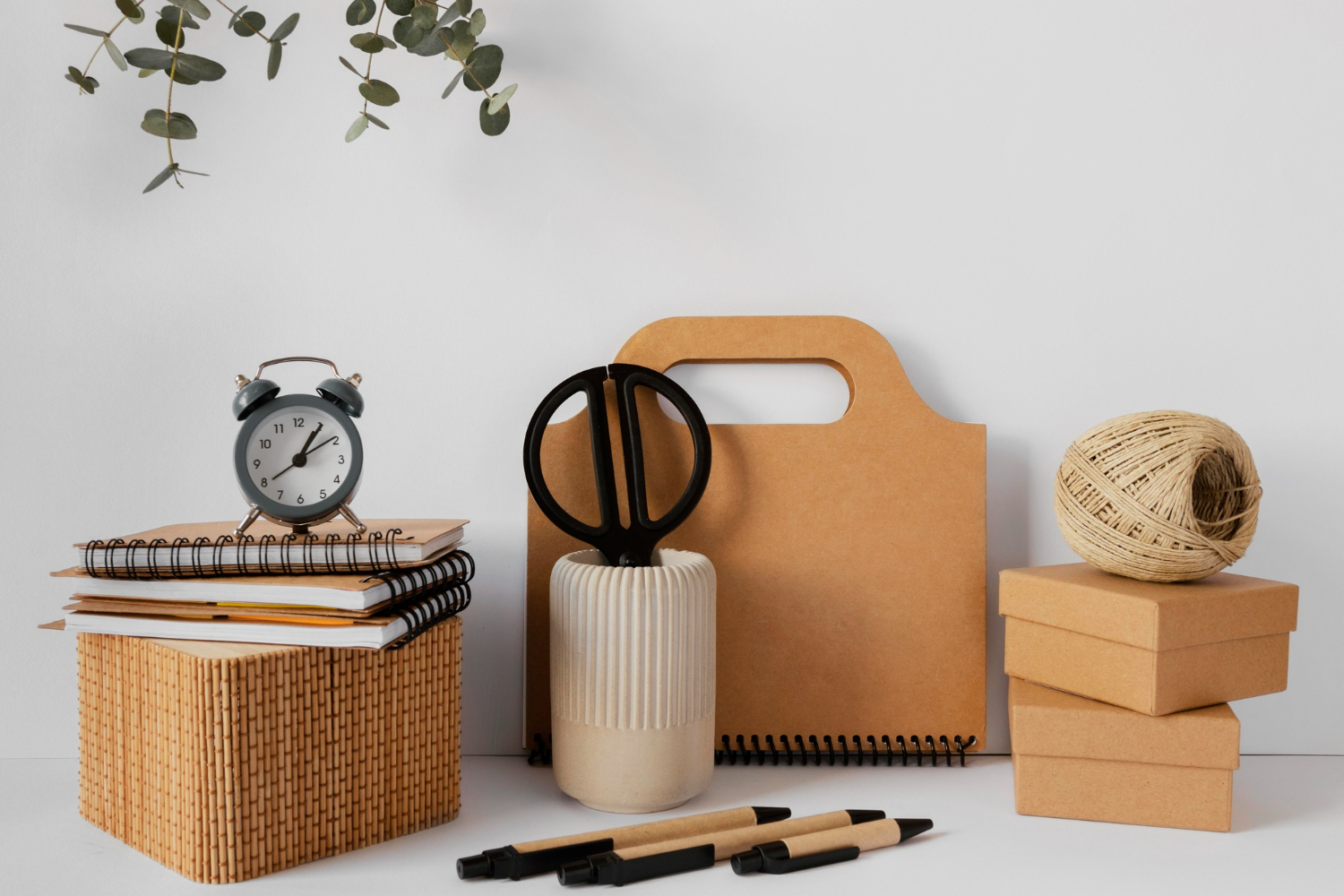
- The Minimalist Aesthetic: The trend in 2026 is “less is more.” Clean, laser-engraved bamboo or cork finishes are outperforming loud, multi-coloured plastic prints.
- Durability as Sustainability: The most eco-friendly product is the one that stays out of the landfill. High-quality, long-lasting corporate merchandise ensures your brand remains visible for years, not days.
The Bottom Line: ROI and Brand Loyalty
Choosing sustainable promotional products isn’t just a moral choice; it’s a savvy business move. Research indicates that durable, eco-conscious items are kept up to five times longer than their plastic counterparts. This means more impressions, better brand recall, and a significant boost in customer loyalty.
In 2026, the “Sustainability Shift” is here to stay. By choosing thoughtful, carbon-offset, and responsibly sourced merchandise, Australian businesses can ensure their brand stays relevant, respected, and most importantly, remembered.