
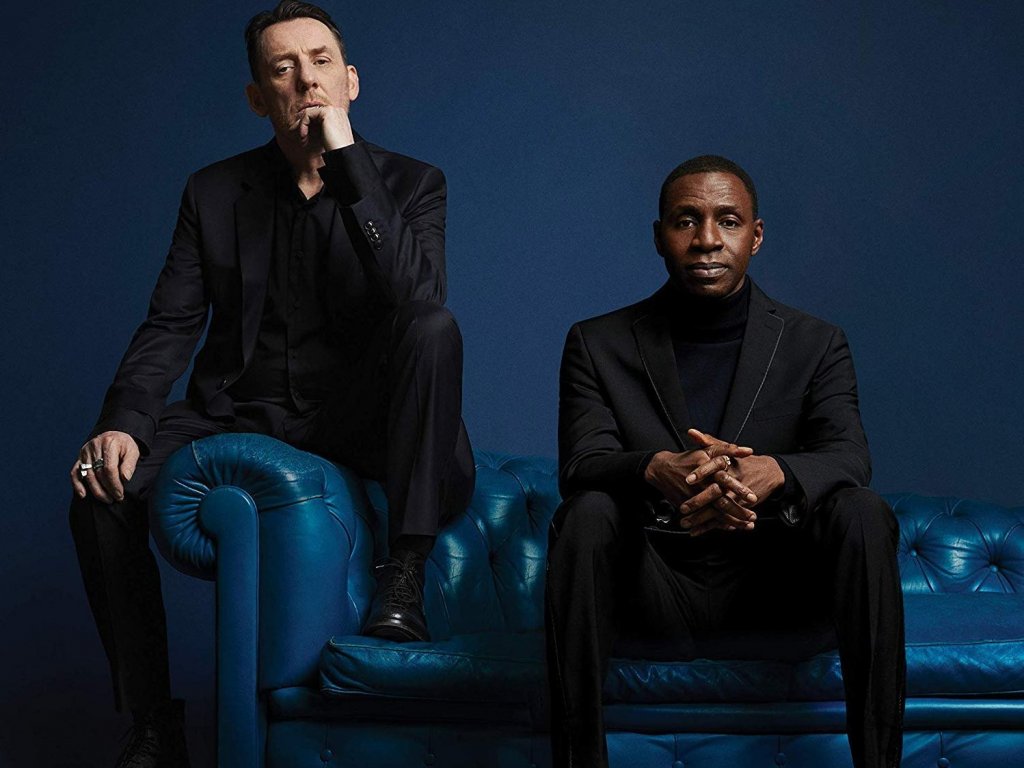
You know that song. Even if you don’t know the name. It comes on in a coffee shop, radio stations and you stop scrolling for a second. Or it pops up on some “90s Chill” playlist while you’re driving at night. That warm piano. That voice that doesn’t try too hard.
That’s High by Light House Family.
It’s been over 30 years since it first hit radio in 1997. And somehow it doesn’t sound dated. Not like a lot of 90s stuff does. No cheesy synths. No shouty chorus. Just… calm. Hopeful. Like someone telling you it’ll be alright, and you actually believe them.
For a lot of people, High isn’t just a song. It’s a memory. Of British soul music finding its feet. Of a duo from Newcastle who didn’t fit in, and didn’t try to. And mostly, it’s about Tunde Baiyewu’s voice — smooth, quiet, impossible to imitate.
But the bit people don’t talk about enough? The song almost didn’t exist. And the band itself almost didn’t either.
Two Guys Who Had No Business Making Hits
Rewind to Newcastle, early 90s.
Tunde Baiyewu? Nigerian student, over in the UK for university. Paul Tucker was just some Newcastle lad, writing tunes in his bedroom at night. They weren’t supposed to end up in the same room, let alone a band.
They clicked. Not because they were similar. Because they weren’t.
Tunde loved soul and jazz. Paul was into classic pop songwriting. Put it together and you got something that didn’t sound like anything else on UK radio at the time.
And timing-wise? It was terrible. The mid-90s were all Oasis vs Blur. Britpop everywhere. Guitars, swagger, tabloid fights. Dance music was huge too. Nobody was asking for a mellow soul duo from the north-east singing about feeling better tomorrow.
Most people would’ve changed their sound. Paul and Tunde didn’t. Paul kept writing songs about emotion, not drama. Tunde kept singing like he was talking to you in a quiet room. No runs. No screaming. Just truth.
Turns out, not following the trend became the trend.
So How Did ‘High’ Actually Happen?
High showed up during the sessions for their first album, Ocean Drive. Paul was in that phase every songwriter has: trying to write something optimistic without sounding like a greeting card.
He was tired of songs about being dumped or being angry. He wanted something about getting back up. About believing the next day might be better, even when today sucked.
That’s the whole song, really. It’s not about being in love. It’s about not giving up.
Tunde said in an interview years later that they made a rule: no big vocal moments. He wasn’t trying to impress. He was trying to sound human. So you could hear the words and think, “Yeah. That’s me.”
Musically, it’s pretty simple. Piano chords that don’t rush. Light drums. Space. Nothing fighting for attention. Paul’s production was clean, not cluttered. So Tunde’s voice sat right in the middle of it all.
While everyone else in 1997 was turning the volume up, Light House Family turned it down. And that’s why it stuck.
It Wasn’t a Smash. Not at First.
Here’s the part record labels hate: High didn’t blow up overnight.
When it came out in 1997, it just… sat there. Radio DJs liked it. People who heard it liked it. But it wasn’t on every TV show. It wasn’t number one in week one.
It grew the slow way. Word of mouth stuff. Someone plays it for their mate. That mate plays it for their sister on a car ride. Back then everything was loud, in-your-face, all aggression. This one? It was just… quiet. Like breathing out.
Then it did something weird. It crept into the UK Top 10. Nobody saw it coming. And Ocean Drive? That thing sold millions. Out of nowhere, these two guys from Newcastle were on Top of the Pops with everyone else.
High took them everywhere. Europe, Australia, New Zealand, parts of Africa. For loads of people outside the UK, it was the first time they’d heard British soul that wasn’t trying to copy America.
It became the song. The one everyone knew, even if they only knew one Light House Family track.
READ ALSO: Throwback Thursday: When Tupac Ruled Hip-Hop
The One Song You Can’t Escape Them From
They had other hits. Lifted was massive. Raincloud. Question of Faith. Good songs, all of them.
But High is the one.
It carried them through the late 90s. Albums went platinum. Tours sold out. They were on every compilation CD your mum owned.
The weird thing is, most bands get swallowed by their biggest hit. You only remember the one song. Light House Family didn’t. Because all their songs sounded like them. Hopeful. Soft. Honest.
That consistency built something rare: a fanbase that stayed. Not just teenagers who moved on. Adults who kept buying the albums.
Why It Still Works in 2026
Loads of 90s tracks sound trapped. You hear them and think, “Yep, that’s the 90s.” High doesn’t do that.
Part of it is the lyrics. They’re not about a specific breakup or a trend that died. They’re about pushing through. Believing better days are coming. That doesn’t expire.
Part of it is the sound. No weird 90s effects that now sound cheesy. Just piano, bass, drums, voice. It could’ve been recorded last year.
And streaming changed everything. Kids who weren’t born in 1997 found it on “Chill Soul” or “90s Gold” playlists. They don’t care it’s old. They care that it makes them feel something.
Meanwhile, people our age go back to it for the same reason: it’s calm without being cheesy. It comforts you without making you cringe.
What Happened to Light House Family?
They got huge. 15 million records worldwide. That’s not a fluke.
They proved there was room for quiet music in a loud decade. You didn’t need to be Britpop or rave to sell albums. You just had to be real.
They split up for a while in the early 2000s. Life, egos, the usual stuff. Got back together years later. And people showed up.
Because the songs were still there. And High was still the one everyone asked for.
It’s on every “90s Classics” radio show now. Every soul playlist. Every “songs that make you feel better” list. It’s part of the furniture.
It’s Not Just Nostalgia
If it was only nostalgia, it would’ve faded. It hasn’t.
High works because it’s not trying to be clever. It’s hopeful without being naive. It’s elegant without being cold. Tunde sounds like he means it.
These days music is screaming for your attention every few seconds. TikTok sounds. Drop after drop. Everything’s trying to be the loudest thing in the room.
High does the opposite. It sits there. It doesn’t beg. And somehow, that lasts longer.
Nearly 30 years later, it’s still doing what the title says. Lifting you up. Quietly. Without making a fuss about it.
FAQs
Who actually wrote ‘High’?
Paul Tucker wrote it. Tunde Baiyewu sang it. That’s been the formula from day one.
When did it come out?
1997. Right in the middle of that Britpop mess. It was one of the singles off Ocean Drive, their first album.
What kind of music is it?
Hard to pin down. Soul, pop, a bit of R&B thrown in, maybe some soft jazz too. They never really picked a lane, and honestly that worked for them.
Why do people still listen to it?
I think it’s the lyrics. They’re hopeful, but not cheesy. The production doesn’t sound stuck in the 90s either. And Tunde’s voice… yeah. There’s nothing else like it.
Is it their biggest song?
Oh yeah. Lifted did numbers too, don’t get me wrong. But if you stop 10 people on the street? Nine of them will say High first.
