

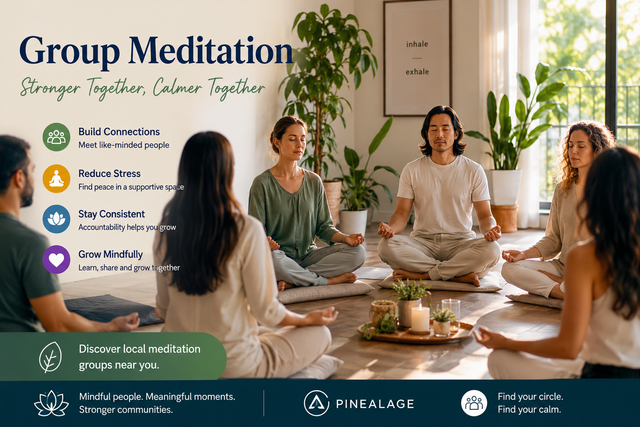
Meditation is often described as a personal journey, a quiet practice that helps individuals become more aware of their thoughts, emotions, and surroundings. While many people begin their mindfulness journey alone, maintaining a regular meditation habit can be surprisingly challenging. Busy schedules, distractions, and fluctuating motivation often make it difficult to stay consistent.
This is one reason why group meditation is becoming increasingly popular. By practicing alongside others, people often find it easier to stay committed, develop healthy routines, and experience a greater sense of connection. In a world where many individuals feel isolated despite being digitally connected, meditating with others offers a meaningful way to build both mindfulness and community.
Why Consistency Matters in Meditation
Meditation is not a one-time activity. Like exercise, learning a language, or developing any new skill, its value often comes from regular practice.
According to the National Center for Complementary and Integrative Health, mindfulness and meditation practices may help support overall well-being when practiced consistently. However, creating that consistency can be difficult for beginners.
Many people start with enthusiasm but gradually lose momentum. Common challenges include:
- Lack of motivation
- Busy schedules
- Difficulty concentrating
- Feeling unsure about progress
- Practicing alone without support
These obstacles can cause even the most dedicated individuals to abandon their meditation routines after only a few weeks.
The Unique Benefits of Group Meditation
Group meditation creates an environment that naturally encourages participation. Instead of relying entirely on personal discipline, individuals benefit from shared commitment and collective motivation.
When people meditate with others, they become part of a supportive environment where everyone is working toward similar goals. This sense of belonging can make meditation feel less intimidating and more enjoyable.
For many practitioners, simply knowing that others will be present provides an extra incentive to attend sessions regularly.
Accountability Creates Healthy Habits
One of the strongest advantages of group meditation is accountability.
When a person commits to attending a meditation session with others, there is often a stronger sense of responsibility. Missing a session feels different when other participants are expecting you to be there.
This gentle accountability can transform meditation from an occasional activity into a consistent habit. Over time, regular attendance becomes part of a person’s routine rather than something that depends on daily motivation.
Shared Experiences Strengthen Practice
Meditation can sometimes feel challenging, especially for beginners. Many people worry that they are not doing it correctly or become discouraged when their minds wander.
In a group setting, participants quickly discover that these experiences are normal. Hearing others share similar challenges can reduce self-judgment and increase confidence.
The experience of practicing together often creates a sense of encouragement that is difficult to achieve alone. Participants learn from one another, celebrate progress together, and develop a deeper appreciation for the mindfulness journey.
The Importance of Human Connection
Modern technology allows people to communicate instantly across the world, yet feelings of loneliness remain common.
The U.S. Surgeon General has emphasized the importance of social connection as a key factor in overall well-being. Research published by Harvard Health also suggests that strong social relationships can support both physical and emotional health.
Group meditation provides opportunities for genuine interaction and meaningful connection. Participants often develop friendships, exchange ideas, and create supportive networks that extend beyond meditation sessions.
This social component is one of the reasons many people continue attending meditation groups long after establishing a personal practice.
Why In-Person Meditation Is Growing
Although online meditation programs have made mindfulness more accessible, many individuals are increasingly interested in in-person meditation experiences.
Face-to-face gatherings offer several advantages:
- Greater personal connection
- Fewer digital distractions
- Improved accountability
- Stronger community engagement
- More meaningful conversations
People searching for meditation groups near me are often looking for more than meditation instruction. They want opportunities to connect with like-minded individuals and participate in a mindfulness community that supports their personal growth.
Technology as a Bridge to Real-World Connection
Technology is often blamed for increasing screen time, but not all digital tools are designed the same way.
Some platforms are being created specifically to encourage real-world interaction rather than replace it. Instead of keeping users online, these tools help people discover opportunities to connect face-to-face.
One example is the Pinealage app, which helps individuals find local meditation gatherings and connect with others interested in mindfulness. By helping people participate in in-person meditation sessions, technology can serve as a bridge to meaningful human connection rather than another source of distraction.
This approach reflects a growing movement toward using technology to strengthen communities instead of isolating individuals.
Building a Sustainable Mindfulness Community
A mindfulness community can play a significant role in helping people maintain long-term meditation habits.
Communities provide:
- Encouragement during difficult periods
- Opportunities to learn from others
- Shared experiences and perspectives
- Increased accountability
- A sense of belonging
When meditation becomes part of a community experience, it often feels less like a task and more like a meaningful lifestyle practice.
Participants frequently discover that the relationships they build become just as valuable as the meditation sessions themselves.
The Future of Meditation Is More Connected
As interest in wellness continues to grow, many people are rethinking how meditation fits into their lives.
While solo practice will always have value, group meditation offers unique benefits that can help people remain engaged over the long term. The combination of accountability, community, and shared experience creates an environment where mindfulness can flourish.
Whether through local gatherings, organized meditation circles, or tools that help individuals connect with others nearby, the future of mindfulness may involve more collaboration and connection than many people expect.
Conclusion
Meditation does not have to be a solitary experience. For many individuals, practicing with others provides the support, encouragement, and accountability needed to build a lasting habit.
Group meditation creates opportunities for meaningful connection while helping participants stay committed to their mindfulness goals. As more people seek ways to balance personal well-being with genuine human interaction, meditating with others is becoming an increasingly attractive option.
By combining mindfulness with community, individuals can create a more sustainable and rewarding meditation practice that supports both personal growth and social connection.