
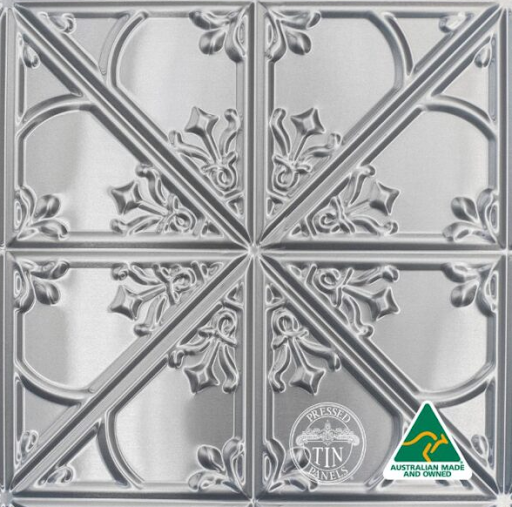
Walls are the one surface in a room that people stop seeing. They become background — neutral, forgettable, something to tolerate rather than choose. That is almost always a product of limited options rather than genuine taste. When someone decides to buy decorative wall panels online , they are stepping out of a market that has, for decades, funnelled homeowners towards whatever the local trade counter happened to order in bulk. The difference in what becomes available — in texture, material, style, and application — is not incremental. It is wholesale.
What Showrooms Actually Hide
A regional showroom cannot afford to stock slow-moving products. Everything on display has been pre-filtered through the buying decisions of a purchasing manager working to regional demand. The result is a curated sameness — finishes that are safe, products that move quickly, and a range that quietly tells customers their options are narrower than they are. Online retailers carry products that would never survive that filtering: hand-poured gypsum panels, cork acoustic boards in natural and dyed finishes, Japanese-inspired slat systems in thermally modified timber, ribbed MDF in colours that designers have been specifying for years before they appear anywhere near a high street.
The Texture Problem Nobody Mentions
Every interior designer knows that texture does more work in a room than colour. A flat painted wall and a wall covered in a linen-effect panel can hold the same shade and feel completely different — one reads as empty, the other as intentional. Yet texture is nearly impossible to assess from a screen photograph. This is why sample services offered by serious online panel retailers matter so much. A physical sample placed against a skirting board under the actual light conditions of a room tells a story that no showroom display can replicate — because the showroom is not your room.
Why Grout Is the Real Enemy
Bathroom and kitchen wall decisions have traditionally been framed as a tile problem. Grout lines collect mould. Re-grouting is expensive, disruptive, and temporary. Tiles crack at the edges when buildings settle. When homeowners buy decorative wall panels online for wet rooms and kitchens, they often discover — for the first time — that moisture-resistant, seamless wall board eliminates every one of those maintenance cycles. The panels wipe clean. There are no joints for damp to penetrate. For anyone who has scraped black grout lines with a toothbrush, it is a genuine revelation.
How Acoustics Became a Design Question
Rooms echo more than they used to. Hard flooring, sparse furniture, open-plan layouts, and the disappearance of heavy curtains from modern interiors have created homes that are genuinely difficult to spend time in — where voices blur, calls sound hollow, and music loses its warmth. Felt wall panels, perforated acoustic boards, and fabric-wrapped panels address this directly. To buy decorative wall panels online for acoustic performance, shoppers can filter by noise reduction rating, compare independent test data, and read reviews from people in similar conditions — none of which is possible at a trade counter.
The Pattern-Matching Calculation Nobody Teaches
Running short of panels mid-installation is one of the most avoidable problems in home renovation — and quietly one of the most common. Pattern-repeat panels, particularly geometric and 3D designs, require additional material to account for careful alignment at corners and around obstacles. Online retailers who specialise in wall panels build this into their ordering guidance. Coverage calculators, repeat-allowance recommendations, and installation notes are presented before checkout rather than discovered during a project that has already begun and cannot be paused.
Conclusion
The choice to buy decorative wall panels online opens something physical retail cannot offer: honest access to the full breadth of what the market actually produces, rather than a sliver of it. Beyond range, it offers technical depth — acoustic ratings, moisture classifications, installation tolerances — that turns a decorating decision into an informed one. Walls shape the way a room sounds, feels, and ages. Choosing what covers them deserves the same research as any other significant decision about a home, not a Saturday afternoon in a showroom that ran out of interesting options before you arrived.
