

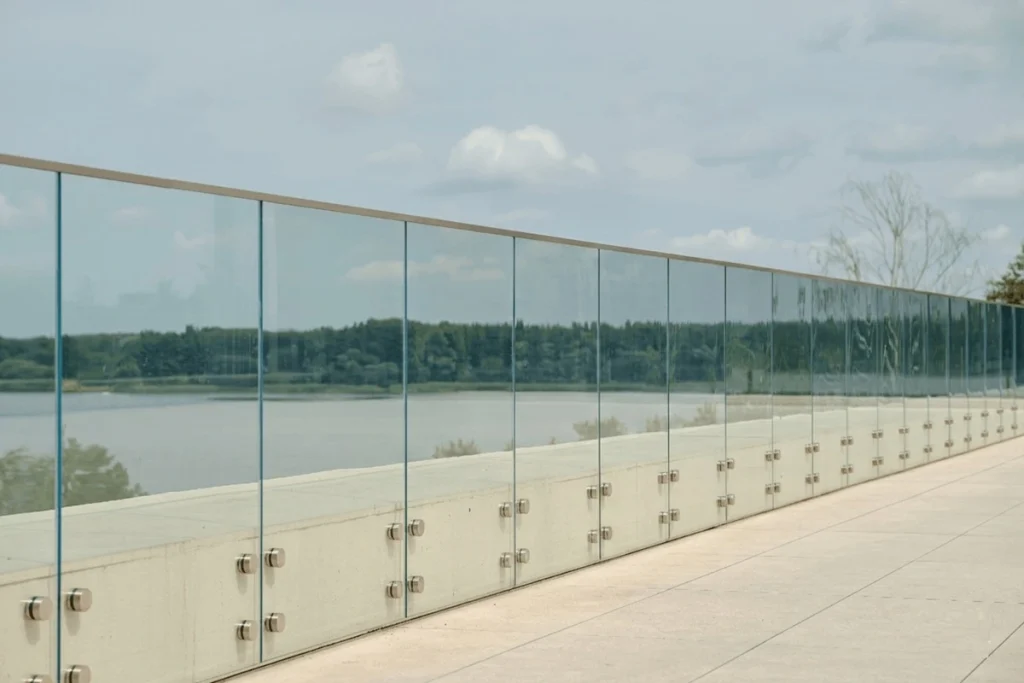
A frameless glass railing system has become a defining architectural choice in modern construction. From luxury high-rise balconies to open-concept commercial interiors, these minimalist assemblies offer completely unobstructed sightlines and a sleek, contemporary feel. However, an essential question persists among property owners and commercial builders alike: Can a system without a bulky structural frame truly be safe?
The short answer is absolutely—but only when the system is backed by precise engineering calculations, high-strength safety materials, and expert installation techniques. This technical guide examines the core mechanics, strict material profiles, and code compliance standards that keep a frameless system safe and structurally sound under real-world pressures.
Core Mechanics of Frameless Glass Safety
Unlike traditional guardrails that transfer structural loads through perimeter frames and intermediate wood or metal balusters, a frameless guardrail relies entirely on the structural strength of the glass panel itself. This setup requires heavy-duty anchoring hardware to lock the glass panels securely into position.
To prevent structural failure, an expertly engineered frameless layout must easily withstand:
- Constant horizontal and vertical wind loads (especially on elevated exterior balconies).
- High-momentum human impacts in high-traffic environments.
- Natural thermal expansion and contraction caused by seasonal climate shifts.
According to global building standards, guardrails must absorb localized forces ranging from 0.5 to 1.0 kN/m based on the occupancy classification. Achieving this structural rigidity requires moving past standard glass choices and specifying specialized architectural components. You can read more about balancing these structural loads in our complete frameless glass railing system structural safety guide.
Critical Safety Components
1. Advanced Structural Glass Engineering
You cannot use standard annealed glass for a frameless guardrail system. Instead, systems use specialized safety glass varieties:
- Fully Tempered Glass: This glass undergoes intense heat treatment to multiply its baseline structural strength four to five times over. If the glass breaks, it fractures into dull, gravel-sized pieces rather than sharp shards.
- Tempered Laminated Glass: The industry standard for safety. This option bonds two independent panels of tempered glass together using a clear, heavy-duty interlayer. If a panel breaks, the interlayer holds the assembly together, keeping the barrier intact until it can be replaced.
2. Glass Thickness Requirements
Glass thickness scales directly with the structural loads of the environment:
- Residential Interiors: 10mm to 12mm panels provide excellent structural performance.
- Commercial Arenas & Walkways: 12mm to 15mm panels are used to accommodate higher crowd densities.
- High-Rise Balconies: 15mm to 19mm sheets are mandatory to withstand extreme high-altitude wind pressure.
3. Heavy-Duty Anchoring Hardware
The hardware anchoring the bottom of the glass pane transfers all structural loads directly into the concrete or wood building framework. High-performance projects typically use heavy base shoe channels or specialized mounting spigots.
For properties featuring open-air swimming spaces, pool chemicals can quickly corrode lower-quality metals. Utilizing a marine-grade glass pool fencing spigot ensures the structural anchors stay strong and free from chemical degradation.
Safety Comparison: Frameless vs. Traditional Systems
| Performance Factor | Frameless Glass Systems | Traditional Cable/Spindle Railings |
|---|---|---|
| Sightline Clarity | Maximum View Preservation | Partially Obstructed Sightlines |
| Inherent Panel Strength | High (Tempered Laminated Glass) | High (Tensioned Metal/Wood) |
| Wind Load Friction | High (Acts as a Solid Barrier) | Minimal (Wind Flows Through Easily) |
| Anchor Point Stresses | High Concentrated Point Loads | Distributed Load Configurations |
Crucial Installation Workflows for Lasting Safety
Even the strongest architectural glass will fail if it is mounted incorrectly. Professional installers use precision tools to guarantee a safe, stable setup:
- Substructure Verification: Anchor bolts must hook directly into structural concrete or solid wood framing rather than superficial trim boards.
- Preventing Metal-on-Glass Friction: Installers must use specialized gaskets to ensure structural steel hardware never makes direct contact with the glass panels, which prevents stress fractures.
- Checking Hardware Finishes: Selecting the right surface treatment keeps your hardware safe from outdoor wear. Property owners can review the pros and cons of different styles in our guide to glass standoff finishes.
Sourcing Quality-Assured Hardware
Using low-grade hardware from unverified suppliers can compromise the structural safety of your entire project. Commercial builders looking for reliable quality control standards can explore our stainless steel glass standoffs bulk sourcing china framework to find certified, high-strength hardware components.
Summary
A frameless glass railing system is a highly engineered safety assembly where every component must work together flawlessly. By pairing thick, tempered laminated safety glass with premium, marine-grade metal anchors, builders can deliver premium modern aesthetics without compromising on structural safety or long-term durability.
Frequently Asked Questions
Can a frameless glass railing system shatter from a strong gust of wind? No. When specified to the correct thickness and backed by proper wind-load engineering, premium tempered laminated glass is exceptionally rigid. It easily flexes and absorbs high wind forces without breaking.
What happens if an object strikes and cracks the glass panel? If you install a system using tempered laminated safety glass, the structural interlayer holds the cracked glass fragments together. The panel stays safely locked inside its mounting hardware, keeping the safety barrier intact until a replacement is installed.
Is it safe to install frameless glass railings around an outdoor swimming pool? Yes, it is highly safe and very common. However, the hardware must be cast from high-grade metals to withstand pool chemical evaporation. For a deeper look at hardware placement, review our floor mounted vs side mount glass spigot pool fencing guide. To watch real-world safety demonstrations, browse the videos on our official YouTube Channel.
To view our certified catalog of structural architectural hardware solutions, visit the URailing Homepage, read more About Us, or Contact Our Team directly to request a customized quote. You can also view our factory certifications on our Made-in-China B2B Portal or stay connected with our supply team on LinkedIn.