
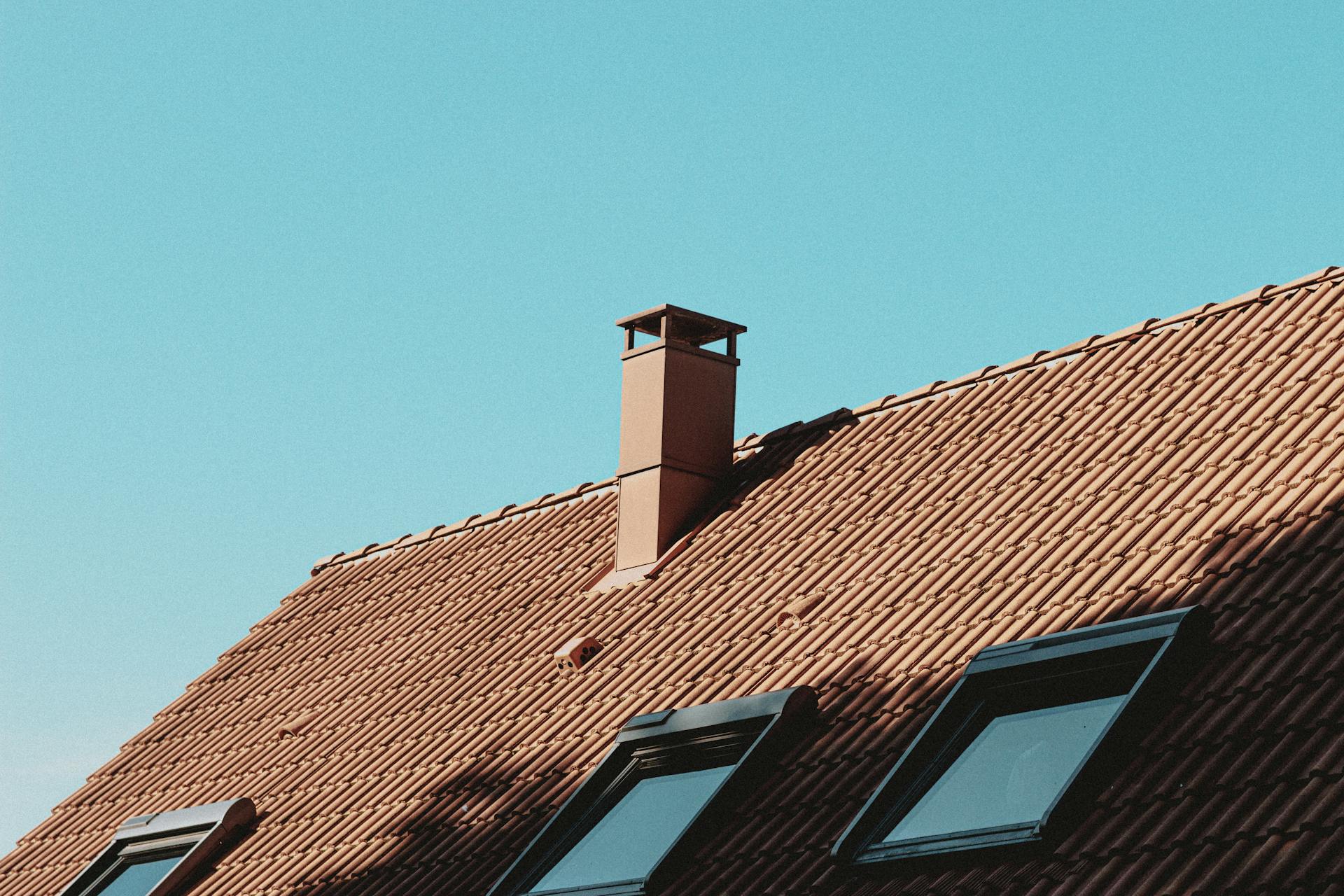
The fireplace has long been the emotional heart of the home. It is where families gather on crisp autumn evenings, where stories are shared, and where a unique, primal comfort is brought into the modern living room. However, the architectural marvel that makes this experience possible is often the most neglected part of the house: the chimney system.
An efficient chimney is not just a stack of bricks; it is a finely tuned ventilation engine. Understanding how this system works, how to maintain it, and when to seek professional intervention is vital for the safety, efficiency, and longevity of your home.
The Physics of Flue Flow: How Warm Air Escapes
To appreciate the necessity of chimney maintenance, one must first understand the physics of draft. A chimney operates on the principle of buoyancy, often referred to as the stack effect. Because hot air is less dense than cold air, the smoke and combustion byproducts from your fireplace naturally want to rise.
The chimney structure creates a confined column of hot air. As this air rises and exits the top, it creates a pressure differential, drawing fresh oxygen into the firebox to feed the flames.
Several factors can disrupt this delicate balance:
- The Height of the Stack: A chimney that is too short will not generate enough draft, causing smoke to spill backward into your living space.
- The Indoor-Outdoor Temperature Differential: Chimneys draw best when it is significantly colder outside than inside. On milder days, you might notice a sluggish start to your fire.
- Home Tightness: Modern, energy-efficient homes are often sealed so tightly that the chimney struggles to draw enough air, leading to negative pressure issues.
When these physics fail, your indoor air quality suffers immediately. This is why ensuring your system is uninhibited by debris or structural damage is a non-negotiable aspect of homeownership.
The Silent Threat: Creosote and Structural Decay
Every time you burn wood, combustion is never completely perfect. The smoke contains unburned wood oils, water vapor, and carbon. As these gases rise through the relatively cooler flue, they condense on the inner walls of the chimney liner. This condensed material is known as creosote.
Creosote is a highly flammable substance that progresses through three distinct, dangerous stages. In its first stage, it is a flaky, dusty soot that is easily brushed away. If left uncleaned, it bakes into a sticky, tar-like substance known as stage-two creosote. The final stage is a hard, glossy, slag-like glaze that attaches itself tenaciously to the flue tile.
Safety Note: Stage-three creosote is the primary fuel source for catastrophic chimney fires. These fires can burn at temperatures exceeding 2,000 degrees Fahrenheit, easily melting metal liners and igniting the wooden framing of your home.
Beyond the fire hazard, creosote and soot are highly acidic. When mixed with moisture from rain or condensation, this acidity eats away at mortar joints and clay liner tiles from the inside out. By the time you notice cracks on the exterior masonry, the internal damage has likely been compounding for years.
Proactive Maintenance Strategies for Homeowners
While internal sweeping requires specialized tools and training, homeowners can take several proactive steps to optimize their system’s health.
The first step begins at the woodpile. Burning green, unseasoned wood is the fastest way to choke a chimney with creosote. Unseasoned wood contains high amounts of water; when burned, the fire must expend energy just to boil off the moisture, resulting in a cooler fire and massive amounts of condensation in the flue. Only burn wood that has been split, stacked, and dried for at least six months, showing cracks at the ends and registering under 20% moisture content.
Secondly, pay close attention to how you build your fires. The traditional method of placing large logs on top of kindling often creates a smoky, inefficient burn. Instead, try the top-down method. Place your largest logs at the bottom of the firebox, followed by a layer of kindling, and light the fire from the very top. This creates a cleaner burn from the start, heating up the flue quickly to establish a strong draft immediately.
Finally, regular visual inspections of the exterior masonry can catch problems before they compromise the interior. Look for white, powdery staining on the bricks—a phenomenon known as efflorescence, which indicates that water is moving through the masonry. If you notice crumbling mortar or loose bricks near the top of the stack, it is time to seek professional restoration.
The Anatomy of Protection: Caps, Crowns, and Flashings
A chimney is constantly warring against the elements. Water is its greatest enemy. When water penetrates masonry, it undergoes freeze-thaw cycles. The water expands as it freezes, cracking the brick and mortar apart from within. Three critical components protect your chimney from water intrusion.
The chimney crown is the concrete slab that seals the top of the masonry stack around the flue liner. It should be sloped outward to shed water away from the bricks. Over time, crowns shrink and crack, allowing water to seep directly down into the structure.
Installed directly over the flue opening, a high-quality chimney cap acts as an umbrella. Without a cap, rain pours directly down the flue, rusting dampers and destroying liner tiles. Additionally, caps feature wire mesh that acts as a spark arrestor and prevents birds, squirrels, and raccoons from nesting inside your ventilation system.
Where the chimney meets the roofline, flashing provides a waterproof seal. This involves a complex layering of metal sheets woven between the shingles and embedded into the mortar joints. Flashing failure is one of the most common causes of mysterious ceiling leaks near fireplaces.
Navigating Modern Upgrades and Relining
For older homes, the chimney may consist of a simple brick channel without any internal liner, or the original clay tiles may have deteriorated beyond repair. Operating a fireplace with a compromised liner is incredibly hazardous, as heat and gases can escape into the hidden cavities of your home.
When looking to restore safety and efficiency, choosing a modern lining system is the standard solution. Stainless steel liners are highly resilient, warming up quickly to improve draft while providing a seamless, gas-tight conduit for smoke.
If you are looking for expert assessment, maintenance, or high-quality components to secure your hearth, partnering with a specialized service like Chimneyz ensures your home remains protected against the hidden dangers of venting failure.
Upgrading your system might also involve transitioning to a wood insert or a gas fireplace. These units seal into the existing fireplace opening and utilize specialized venting that snakes up the old chimney. They operate at much higher efficiencies than traditional open masonry fireplaces, turning a beautiful but drafty architectural feature into a genuine zone-heating powerhouse for the home.
Preserving the Hearth for the Future
Maintaining a fireplace requires a blend of respect for the physics of fire and diligence in structural upkeep. By burning the right fuel, protecting the masonry from water damage, and scheduling annual evaluations with certified professionals like Chimneyz, you protect both your investment and your family.
A well-maintained chimney is an invisible asset, quietly working behind the walls to ensure that the ancient comfort of a crackling fire remains a safe, warm reality for years to come. For dependable solutions and professional-grade insight into your venting needs, turning to Chimneyz provides the peace of mind every homeowner deserves.