
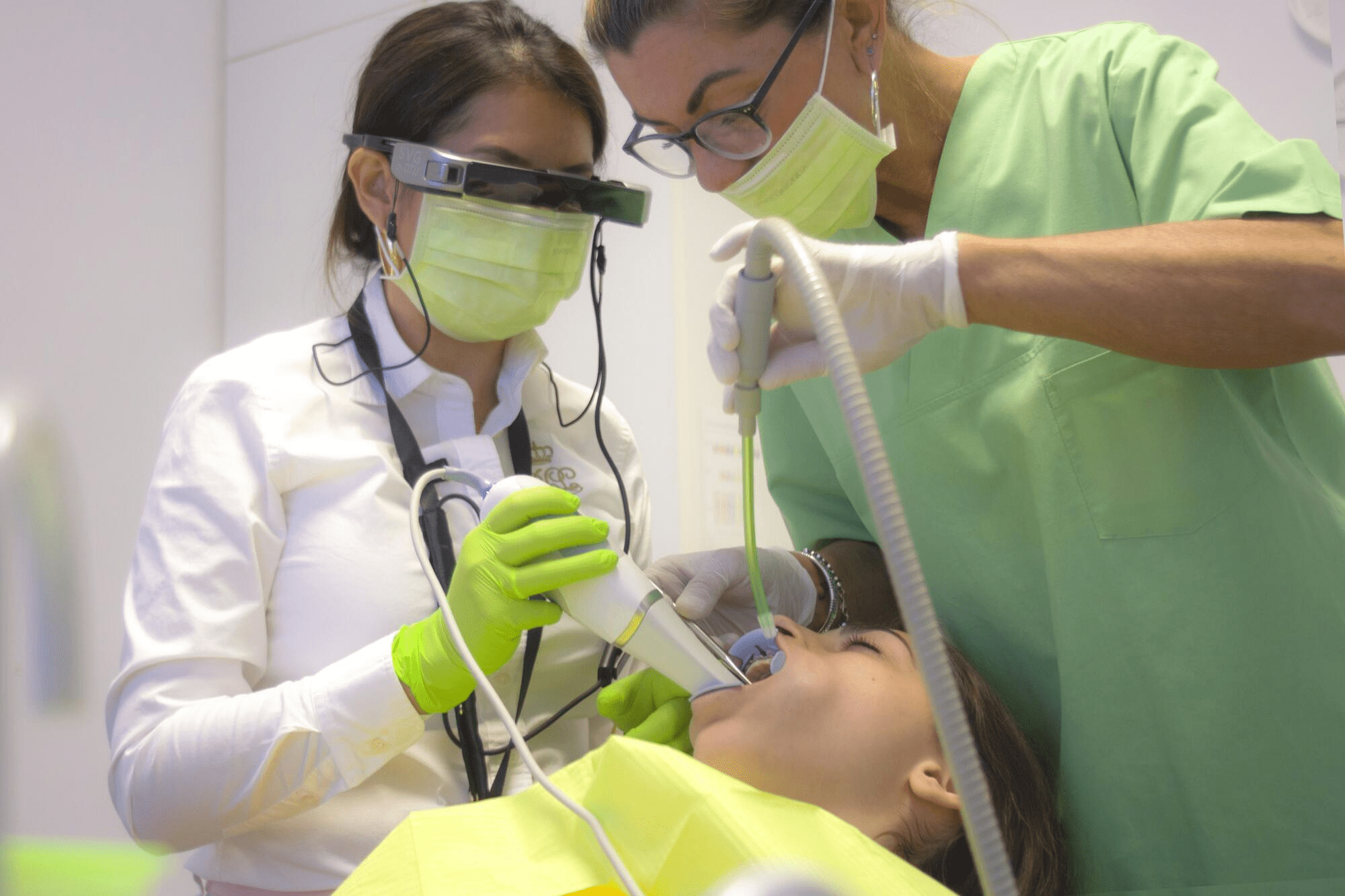
The dental industry has changed dramatically thanks to new technology. One of the biggest improvements is digital imaging. Traditional X-rays are now often replaced by high-resolution digital radiographs.
These images give dentists a much clearer view of teeth and gums, helping them spot cavities, bone loss, or other problems earlier. Cone-beam computed tomography (CBCT) takes this a step further. It creates 3D images of the teeth, jaw, and surrounding tissues.
This allows dentists to plan treatments more accurately and offer care tailored to each patient. Read on.
Restorative Dentistry: Precision with CAD/CAM and 3D Printing
Technology has also changed how dentists restore teeth. CAD/CAM systems let dentists design and create crowns, bridges, and veneers with high accuracy. Many patients can now get same-day restorations, which means fewer appointments and faster results.
3D printing adds another layer of convenience. It produces custom dental appliances, surgical guides, and clear aligners quickly. This speeds up treatment and makes it more comfortable for patients.
Minimally Invasive Treatments: Less Pain, Faster Healing
New technology has made dental procedures less invasive. Laser dentistry can remove decay, reshape gums, and treat soft tissue problems without drills or scalpels. This results in less pain, bleeding, and shorter recovery times.
At the same time, advances in dental materials have introduced stronger, longer-lasting, and more biocompatible options. Patients benefit from treatments that not only feel better but also last longer. Check out Dr. Chao pinhole surgical technique to learn more.
Artificial Intelligence: Smarter Diagnosis and Treatment
Artificial intelligence (AI) is changing how dentists diagnose and plan treatments. AI software can examine X-rays to detect early signs of dental problems that might be missed by the human eye.
It can also predict possible issues and help dentists create personalized prevention plans. This leads to better outcomes and fewer surprises during treatment.
Tele-dentistry: Care Anytime, Anywhere
Tele-dentistry is expanding access to dental care. Patients can now consult dentists online, get initial diagnoses, and even handle follow-up care from home.
This is especially helpful for people living in rural or underserved areas. It reduces travel time and makes dental care more convenient for everyone.
Patient Education and Engagement: Empowering Oral Health
Technology also helps patients take charge of their oral health. Interactive apps, digital treatment plans, and virtual consultations educate patients about:
- procedures
- hygiene routines
- preventive care
By seeing visual explanations of their condition, patients understand their treatment options better and are more likely to follow advice. Engaged patients experience better outcomes and develop healthier long-term habits.
A Brighter Future for Dental Care
Technology is transforming dental care in exciting ways. From clear imaging and precise restorations to laser treatments, AI, tele-dentistry, and patient engagement tools, dental care is becoming faster, safer, and more personalized. Patients enjoy better results, less discomfort, and more convenience.
For dentists, technology simplifies work and improves accuracy. As these innovations continue, dental care will become even more effective, accessible, and patient-focused.
Technology is not just helping us treat dental problems. It is changing the way we experience dental health entirely.
If you want to read more articles, visit our blog.