

In today’s rapidly evolving tech landscape, the materials driving innovation must be as sophisticated as the circuits themselves. Stainless steel foil in electronics manufacturing has emerged as a cornerstone material, bridging the gap between delicate functionality and rugged durability. As devices shrink in size while increasing in power, manufacturers require materials that offer high precision, thermal stability, and superior strength-to-thickness ratios.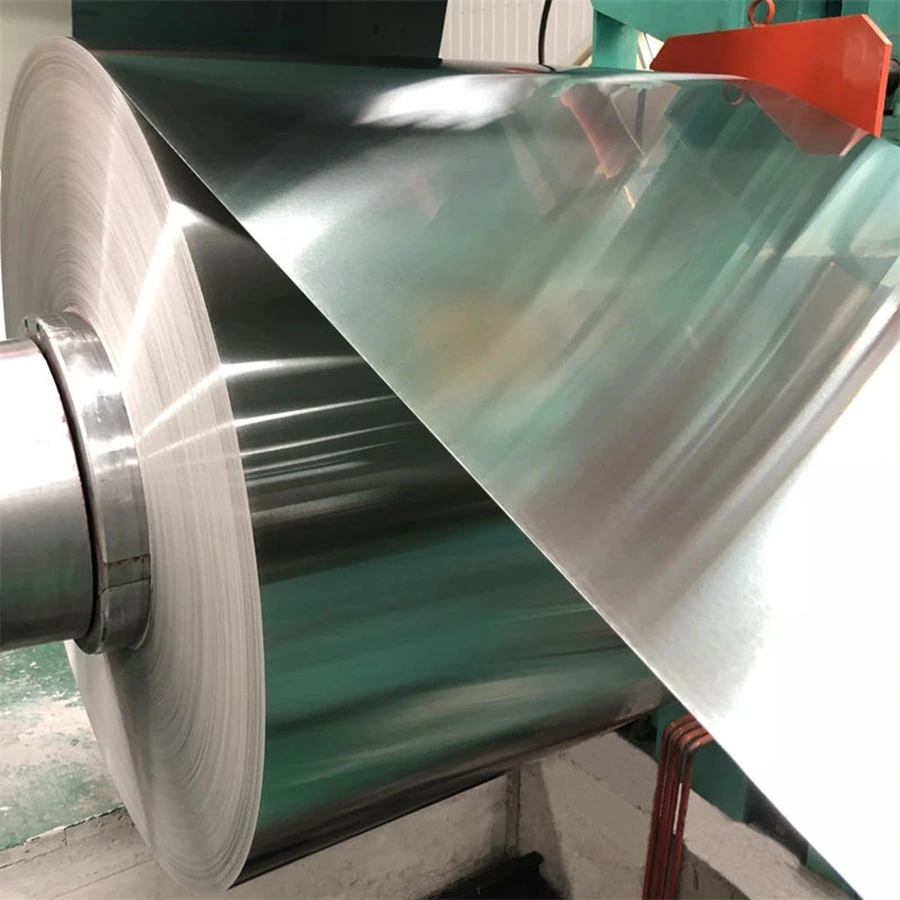
Whether you are designing for high-frequency shielding, advanced battery systems, or flexible circuits, selecting the right material is paramount. To understand the foundational properties that make this material so versatile, you can read our deep dive into What is Stainless Steel Foil?.
Why Stainless Steel Foil is Essential for Modern Electronics
The modern electronics environment is demanding. Components face heat spikes, EMI (Electromagnetic Interference), and the constant requirement for miniaturization. Stainless steel foil provides several critical advantages:
- Exceptional Strength-to-Thickness Ratio: Engineers can design lighter, more compact devices without sacrificing structural integrity.
- Thermal Management: With its excellent thermal stability, this foil acts as a reliable heat shield in sensitive thermal insulation applications. For those involved in production, understanding the Best Stainless Steel Foil Grade for Heat is vital to preventing component degradation during processing.
- Corrosion Resistance: The passive chromium layer inherent in stainless steel ensures long-term reliability even in high-humidity or corrosive operational environments.
- EMI/RFI Shielding: It provides robust defense against electromagnetic interference, ensuring signal integrity in complex device architectures.
Primary Applications in Electronics
Stainless steel foil is not merely a structural component; it is an active participant in electronic performance:
1. Flexible Printed Circuits (FPCs)
As wearables and medical sensors become more prevalent, the demand for Stainless Steel Foil as a flexible substrate has skyrocketed. It offers superior fatigue resistance compared to traditional copper-only circuits, allowing for thousands of bends without material failure.
2. Electromagnetic Shielding
To comply with stringent EMC (Electromagnetic Compatibility) standards, modern devices require effective barriers. Stainless steel foil is the preferred choice for shielding sensitive components from external interference.
3. Next-Gen Battery Systems
In lithium-ion and solid-state battery technologies, stainless steel foil is utilized as a durable current collector. Its chemical resistance and stability under temperature flux contribute significantly to battery longevity and safety.
Comparison: Stainless Steel Foil vs. Alternative Materials
When selecting materials for electronic assemblies, consider the following performance metrics:
| Property | Stainless Steel Foil | Copper Foil | Aluminum Foil |
| Strength | Very High | Moderate | Low |
| Corrosion Resistance | Excellent | Moderate | Good |
| Thermal Stability | Excellent | Good | Moderate |
| EMI Shielding | Very Good | Excellent | Good |
| Primary Use Case | Structural & Shielding | Conductivity | Lightweight Shielding |
Material Sourcing and Quality Assurance
Not all foil is created equal. Achieving the precision required for electronics requires advanced manufacturing processes, including precision cold rolling and specialized annealing. Whether you need stainless steel for a specific shielding project or a massive rollout, choosing a high-quality supplier is the first step in ensuring consistent product performance.
We offer a comprehensive range of material formats to meet your production needs:
Summary
The integration of stainless steel foil in electronics manufacturing is an ongoing trend that shows no signs of slowing. Its unique ability to provide structural support, thermal management, and EMI shielding makes it an indispensable tool for the next generation of technology.
By prioritizing the right grade, thickness, and surface finish, manufacturers can significantly reduce defect rates and improve the longevity of their electronic products.
Are you ready to optimize your material supply chain?
If you have specific questions about grade selection or need a quote for your next electronic component project, please contact us today. You can also visit our Homepage to explore our full inventory.
Frequently Asked Questions
Q: Why is stainless steel foil preferred over copper in certain electronic shielding applications?
A: While copper is superior for conductivity, stainless steel is often preferred for structural shielding where durability, corrosion resistance, and high-temperature stability are required.
Q: Is stainless steel foil recyclable?
A: Yes. Stainless steel is fully recyclable, supporting sustainable manufacturing initiatives—a key requirement for modern electronics companies.
Q: What is the typical thickness range for electronics-grade foil?
A: For most electronic applications, the foil typically ranges from 0.01 mm to 0.2 mm, depending on whether it is used for a circuit substrate or a heat shield.
Q: How does this material contribute to miniaturization?
A: Its high strength-to-thickness ratio allows engineers to use thinner sheets that occupy less internal volume without bending or breaking, enabling smaller, more powerful device designs.
For more information on the technical specifications of our materials, please visit our dedicated guide: Stainless Steel Foil in Electronics Manufacturing.