
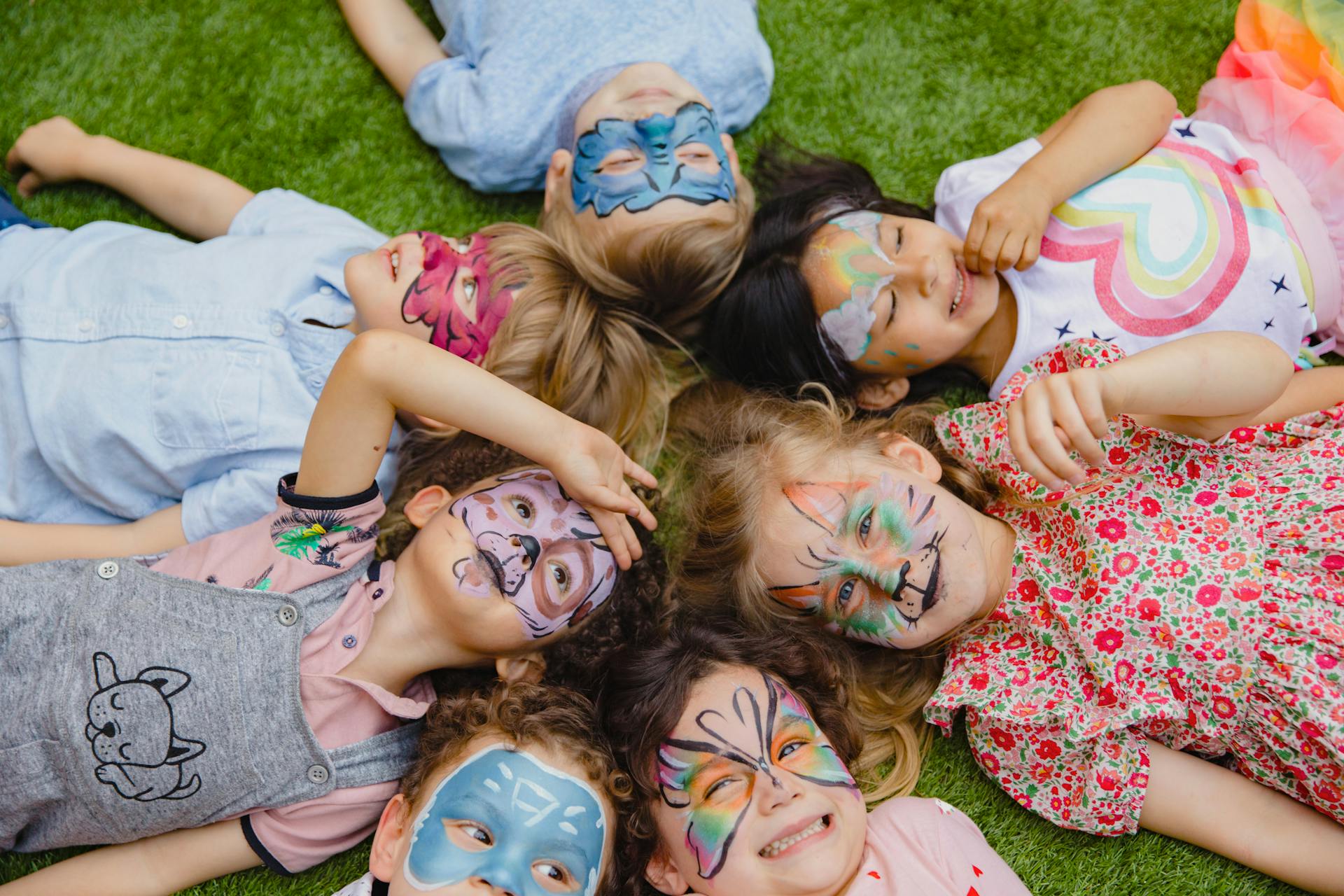
From the roaring stands of a football stadium to the whimsical queues of a local carnival, there is a transformative power in a few strokes of pigment. Face paint is one of humanity’s oldest forms of expression, a literal “mask” that, paradoxically, often helps people reveal their truest, most playful selves. Whether you’re a parent DIY-ing a superhero for a birthday party or a professional artist creating a masterpiece for the stage, face paint bridges the gap between reality and imagination.
A Canvas with History
Long before it was a staple of children’s parties, face painting served deep cultural and social functions. Ancient civilizations used natural pigments—derived from clay, charcoal, and crushed berries—for rituals, warfare, and storytelling. It was a way to communicate status, invoke protection, or signal a rite of passage. Today, while the “war paint” might be more common on a Saturday afternoon at a soccer match, that same primal instinct to show identity and belonging remains.
The Evolution of the Craft
In recent years, face painting has evolved from simple “cheek art” (think a tiny heart or a ladybug) into full-scale transformation artistry. The rise of social media platforms like Instagram and TikTok has turned face and body painting into a viral sensation. We now see:
- Optical Illusions: Artists using shadows and highlights to make it look like their face is “cracking” or disappearing.
- Cosplay & Fandom: Fans using high-grade theatrical makeup to perfectly replicate their favorite cinematic characters.
- Festivals: The “Glitter Renaissance,” where metallic paints and adhesive gems create ethereal, otherworldly looks.
Safety First: Not All Paint is Created Equal
If you’re inspired to pick up a brush, the most important thing to remember is that the skin is an organ. One of the most common mistakes beginners make is using acrylic paints or “washable markers” on the face. These can cause severe allergic reactions or skin staining.
Always look for cosmetic-grade products. Professional water-based paints (like those from brands such as Snazaroo, Mehron, or TAG) are designed to be vibrant, quick-drying, and—most importantly—easy to remove with simple soap and water.
Tips for a Flawless Transformation
- Start with a Clean Base: Ensure the skin is free of heavy oils or lotions so the paint adheres properly.
- The “Damp, Not Dripping” Rule: If you’re using water-activated paints, your sponge or brush should be just damp. Too much water leads to “runs,” while too little results in a streaky finish.
- Work from Light to Dark: Apply your lighter base colors first. It’s much easier to paint black whiskers over a white muzzle than vice versa!
- Practice the “Thin-to-Thick” Stroke: Mastering the pressure of your brush is the secret to those elegant swirls and sharp tiger stripes.
The Ultimate Icebreaker
The real magic of face paint isn’t actually the paint—it’s the reaction. There is a specific, joyful “reveal” moment when a child (or an adult!) looks in the mirror for the first time and sees a tiger, a princess, or a galactic alien staring back. It’s a temporary transformation that leaves a lasting memory, proving that sometimes, putting on a mask is the best way to let your spirit run wild.
So, the next time you see a palette of bright colors, don’t just walk by. Grab a brush and see who you might become.