
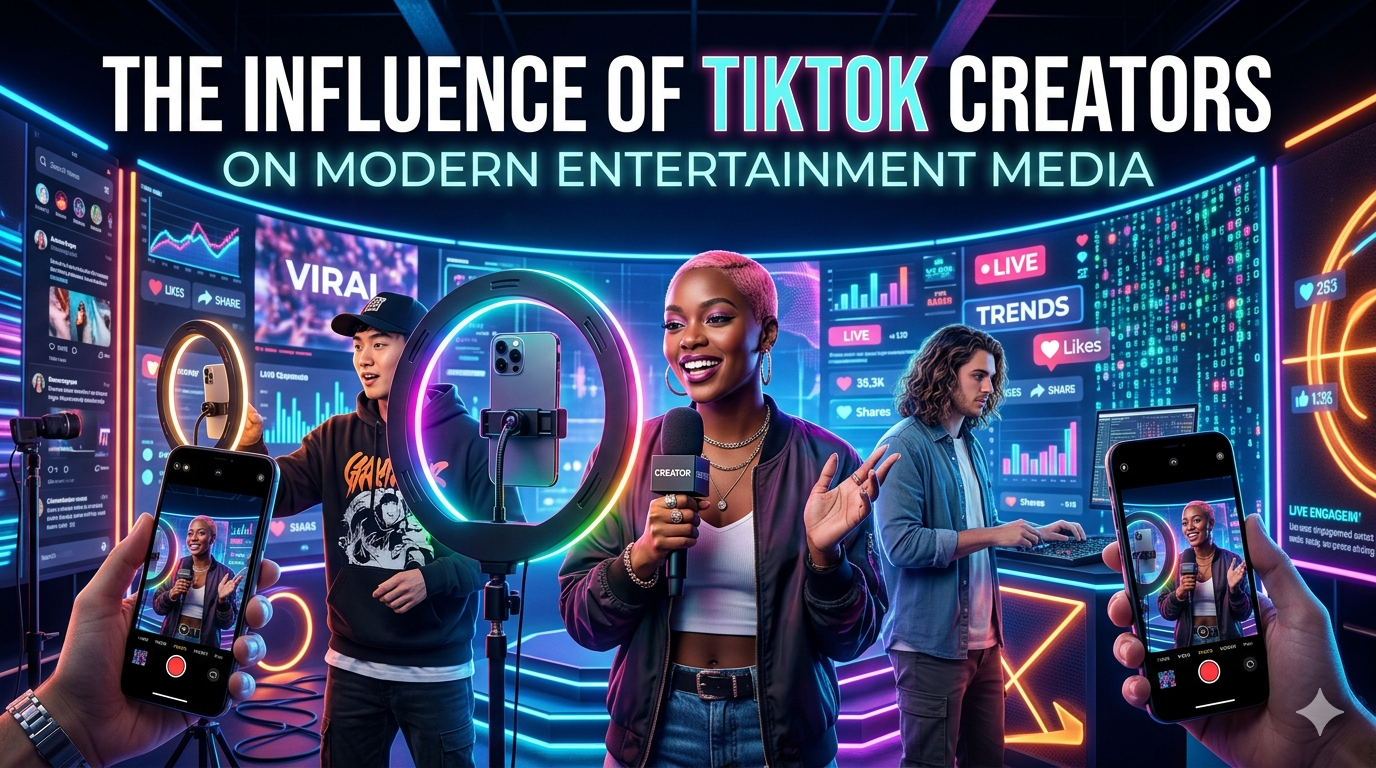
The Rise of TikTok Creators
The ascent of TikTok creators has marked a transformative era in the domain of digital entertainment. Launched in 2016, TikTok has evolved into a platform where creativity knows no bounds, and user engagement is at an unprecedented level. Within just a few short years, it has captivated millions globally, boasting over a billion active users, predominantly among Gen Z and millennials. This demographic shift signifies how younger audiences are redefining their entertainment consumption patterns.
Creators on TikTok leverage the platform’s unique features, such as short video formats, viral challenges, and trending audio clips, to capture attention and generate content that resonates with their followers. The platform’s algorithm encourages discovery, allowing even nascent creators to gain visibility and cultivate substantial audiences in a matter of days. This rapid ascendancy has led to the emergence of a distinct creator economy, where TikTok influencers not only entertain but also inform, educate, and inspire their viewers.
The cultural significance of TikTok creators extends beyond sheer entertainment; they are shaping trends, influencing purchasing behaviors, and altering how brands interact with audiences. The power of content made on TikTok lies in its ability to connect authentically with users, blurring the lines between traditional media and grassroots content creation. Furthermore, TikTok has played a significant role in democratizing content creation by providing a platform that enables diverse voices to emerge, from everyday users to well-established influencers.
As TikTok continues to thrive, the influence of these creators over modern entertainment media is undeniable. Their content not only entertains but also reflects and shapes societal norms and values, establishing them as pivotal figures in the evolving media landscape. With the growth of TikTok’s user engagement rates, it sets the stage for a deep exploration of how these creators are redefining entertainment consumption in the digital age.
How TikTok Changed Entertainment Consumption
TikTok has significantly reshaped the landscape of entertainment consumption, giving rise to a new era where short-form video content reigns supreme. Traditional media platforms often required longer attention spans and more structured formats, which can be challenging in a fast-paced digital world. In contrast, TikTok’s format encourages users to create and engage with bite-sized videos that can be watched or produced in mere moments. This shift has fostered a culture of quick interactions, making entertainment more accessible and digestible for a broad audience.
The impact of TikTok also extends to the democratization of content creation. Previously, the distinction between amateur and professional content was more pronounced, with mainstream media monopolizing the entertainment sphere. However, TikTok has blurred these lines, allowing individuals from diverse backgrounds to showcase their talents and ideas on a global stage. Users no longer need professional-grade equipment or elaborate production teams; instead, creativity and relatability have become the leading factors in content popularity. This new environment has resulted in an array of unique voices and perspectives that were often overlooked by traditional entertainment channels.
Moreover, TikTok’s algorithm-driven content delivery system plays a pivotal role in how audiences consume entertainment. The platform’s sophisticated algorithms personalize the viewing experience, providing users with tailored recommendations based on their preferences and interactions. This level of customization not only enhances user engagement but also keeps audiences returning for more, ensuring a continuous cycle of content creation and consumption. As the algorithm adapts, it promotes a form of entertainment that resonates more with individual audience members rather than adhering strictly to universally popular trends.
The Influence on Celebrity Culture
The emergence of TikTok creators has significantly reshaped the landscape of celebrity culture, introducing a new paradigm in which digital fame often eclipses traditional forms of stardom. In recent years, we have witnessed a shift where TikTok stars, who amass substantial followings through relatable content and innovative short-form videos, have begun to gain influence traditionally reserved for established celebrities. This phenomenon has prompted a reevaluation of what it means to be a celebrity in the digital age.
One of the most profound impacts of TikTok on celebrity culture is the emphasis on authenticity and relatability. Unlike traditional celebrities who often curate their public personas through polished images and selective storytelling, TikTok creators thrive on unfiltered and genuine interactions with their audience. This shift has resonated deeply with viewers, making them feel more connected to the creators they admire. The spontaneity and creativity of TikTok content have fostered a sense of community that challenges the long-standing barriers between fans and celebrities.
As a response, established celebrities are recognizing the need to adapt to this evolving landscape. Many have taken to TikTok to engage with younger audiences, crafting content that mirrors the informal and candid style prevalent among their digital counterparts. This new approach not only serves to retain their relevance but also highlights how traditional media narratives are merging with emerging platforms. The lines between influencer and celebrity are becoming increasingly blurred, as audiences prioritize personality and engagement over conventional markers of fame.
In conclusion, TikTok creators are redefining celebrity culture by prioritizing authenticity, relatability, and community engagement. This transformation reflects a broader trend wherein digital fame challenges and enriches traditional definitions of celebrity. As the influence of TikTok continues to grow, the entertainment landscape is likely to experience further shifts, elevating diverse voices and allowing for a richer tapestry of cultural narratives.
Viral Trends and Digital Fame
TikTok, a platform characterized by its short-form video content, has revolutionized the way trends are created and disseminated in the modern entertainment landscape. With its sophisticated algorithm, TikTok identifies engaging content that resonates with users, promoting videos that capture viewers’ attention and encouraging them to participate in challenges or trends. This mechanism has led to the rapid spread of viral content, often within mere hours of being posted.
The characteristics of viral content can be attributed to several key factors: relatability, originality, and emotional appeal. Users are drawn to videos that reflect their own experiences or provide a humorous take on everyday scenarios. For instance, the viral “Savage Love” dance challenge captivated millions, driving not only engagement within the app but also transforming the song into a major commercial success. Such cases exemplify how TikTok creators can leverage their creativity to build viral moments that extend beyond the platform.
Moreover, digital fame on TikTok differs significantly from traditional fame. In contrast to established celebrities, TikTok stars often rise to prominence overnight, propelled by algorithmic promotions rather than years of industry investment. This democratization of fame allows ordinary individuals to achieve widespread recognition, often engaging with their audience in a more personal and intimate manner. This shift is evident in case studies such as Charli D’Amelio, who gained millions of followers in just a few months, largely by participating in trending dances and fostering an authentic connection with her viewers.
TikTok’s impact on entertainment media continues to grow, influencing music charts, fashion choices, and even societal conversations. The platform exemplifies a new age of viral trends, where digital fame can be both fleeting and transformative, reshaping the landscape of modern entertainment favorably for both users and creators alike.
Impact on Diverse Industries: Music, Influencers, and Brands
The rise of TikTok has significantly altered the landscape of modern entertainment media, particularly impacting the music industry, influencer marketing, and brand partnerships. TikTok’s unique format, which allows users to create short videos, often paired with music, has enabled songs to achieve viral status in a matter of days. A prime example is the phenomenon of songs becoming associated with specific dance challenges, where users replicate these movements, leading to widespread exposure and streaming increases.
In the music industry, artists increasingly recognize TikTok as a valuable platform for launching new singles. Many emerging musicians have found that a catchy hook coupled with an engaging visual element can captivate audiences, subsequently propelling their tracks onto mainstream music charts. For instance, tracks that gain popularity through TikTok often experience significant boosts in sales and streaming numbers on platforms like Spotify and Apple Music. Established artists are now strategically releasing snippets of their songs on TikTok to adapt to this new avenue for promotion, positioning themselves to engage younger demographics.
Beyond music, TikTok has birthed a new era for influencers, who leverage their presence on the platform to collaborate with brands. This influencer-driven content has proven effective, as followers often view these individuals as relatable and authentic. Brands partnering with TikTok creators can advertise their products or services authentically, tapping into audience segments that traditional media may overlook. Consequently, marketing strategies have evolved to prioritize influencer collaborations, as they enhance brand visibility and foster community-driven engagement.
Overall, the influence of TikTok is far-reaching, reshaping how industries approach content creation, promotion, and audience interaction, and setting the foundation for future trends in entertainment media.
TikTok Creators as Mainstream Celebrities
In recent years, TikTok has evolved from a platform for short, light-hearted videos into a significant cultural phenomenon, propelling its creators into the realm of mainstream celebrity status. Numerous individuals who gained fame on TikTok have successfully transitioned into traditional entertainment media, securing roles in television shows, films, and various other projects. This transition reflects the growing recognition of TikTok as a powerful vehicle for talent discovery and audience engagement.
Many TikTok stars have leveraged their substantial online followings to gain traction in Hollywood. For instance, several prominent creators have made appearances on television programs, ranging from reality shows to scripted series, thereby expanding their influence beyond the app. Landmarks such as these demonstrate the platform’s capacity to launch careers and cement the positions of creators within the entertainment landscape.
Furthermore, TikTok creators have capitalized on their popularity through various branding and sponsorship opportunities. Companies recognize the platform’s ability to connect with younger audiences, facilitating partnerships with these influencers. The estimated value of sponsored posts by TikTok creators often surpasses that of traditional endorsements, leading brands to engage with these individuals as key figures in their marketing strategies. Through collaborative advertising campaigns, TikTok creators manage to shape not only consumer behavior but also trends across multiple industries.
As a result, the lines between digital content creation and traditional celebrity culture are increasingly blurred. Today, the evolution of TikTok creators into mainstream celebrities signifies a transformative moment in the entertainment industry, demonstrating the potential of social media platforms to forge new pathways for recognition and success. The integration of these creators into wider media channels serves to affirm their importance in modern entertainment, highlighting a shift in the parameters of celebrity culture.
The Business Side of Influencer Culture
The rise of TikTok has given birth to a new breed of entertainers known as influencers, who play a pivotal role in shaping modern entertainment media. At the heart of this evolution lies the economic aspects of being a TikTok creator. Monetization strategies have become central to the influencer culture, allowing these individuals to transform their online presence into a sustainable career.
Many TikTok creators monetize their influence through various methods, including brand partnerships, sponsored content, and merchandise sales. Brands recognize the power of TikTok influencers in reaching target demographics more effectively than traditional advertising methods. By collaborating with creators, brands can tap into specific audience segments, resulting in higher engagement and more authentic marketing. The sponsored posts that proliferate on the platform often reflect a marketing strategy that prioritizes relatability and authenticity, key traits that many TikTok users seek.
However, financial sustainability on TikTok is not without its challenges. Controversies regarding influencer authenticity frequently surface, as some critics argue that the blurring of lines between genuine content and sponsored material can mislead audiences. This raises ethical questions about trust in influencer marketing. As the platform becomes more commercialized, creators must navigate a complex landscape where the intention behind their content is scrutinized by discerning followers.
Despite these challenges, many TikTok creators effectively leverage their platforms to build diverse revenue streams, signing lucrative endorsement deals with brands and engaging in affiliate marketing. Successful influencers also explore opportunities outside TikTok, such as launching YouTube channels or podcasts, thereby extending their reach and enhancing their financial stability.
In essence, the business side of TikTok creator culture exemplifies a transformative shift in media entertainment, where individuals can monetize their creativity while also addressing the ongoing discourse surrounding authenticity and ethical practices in influencer marketing.
Why Entertainment Media Websites Now Cover TikTok Trends
The rapid rise of TikTok as a dominant social media platform has significantly influenced the landscape of modern entertainment media. Established entertainment websites increasingly recognize the necessity of covering TikTok trends, which results from the platform’s extraordinary ability to drive viral content and shape popular culture. As a result, traditional media outlets are adapting their content strategies to include TikTok. This shift is evident in the way they report on viral challenges, trending dances, and popular creators, ultimately aiming to engage a diverse audience that spans various age groups.
One of the primary motivations behind this increased coverage is the changing dynamics of audience engagement. TikTok’s format allows creators to deliver content that is not only entertaining but also highly engaging, facilitating a deeper connection with viewers. By reporting on these trends, entertainment media websites can tap into a younger demographic that increasingly consumes information and entertainment through digital avenues rather than traditional means. Furthermore, this practice is instrumental in enhancing the overall relevance of these outlets in an age where social media platforms dictate the flow of entertainment news.
The implications of covering TikTok trends extend beyond mere audience engagement. Journalistic practices are evolving as media outlets grapple with the challenge of remaining credible while embracing the informal nature of TikTok. Fact-checking and accuracy become crucial when reporting TikTok phenomena, especially when misinformation can spread rapidly in a digital environment. Consequently, established entertainment media must develop a balanced approach, integrating TikTok trends within their reporting while ensuring that their content maintains a high journalistic standard. This evolution presents a unique opportunity for media outlets to innovate and redefine their roles in an ever-changing entertainment landscape.
Platforms like LifeEdition.co.uk are also adapting to this shift by covering trending celebrity stories, influencer culture, and viral entertainment updates that modern audiences actively search for.
The Future of Social-First Entertainment Media
The landscape of entertainment media is continually evolving, with platforms like TikTok leading the charge toward social-first content. These platforms prioritize user engagement and community-driven creativity, making them unique in the realm of media consumption. As we move forward, we can expect emerging trends that further emphasize the importance of social interaction in entertainment.
One notable trend is the increasing integration of augmented reality (AR) and virtual reality (VR) within social media platforms, a shift that aligns well with the desire for immersive experiences among younger audiences. As TikTok and similar platforms adopt these technologies, creators will likely experiment with content that goes beyond traditional video, incorporating interactive elements that invite viewers to participate, rather than just passively consume. This engagement could lead to a new genre of entertainment, where the audience plays an integral role in shaping the narrative.
Moreover, as content consumption habits continue to shift towards mobile devices, platforms like TikTok are well-positioned to capitalize on this trend. The demand for short, digestible content is expected to grow, which might shape not only the type of content produced but also the formats utilized. We could witness a rise in micro-series and episodic storytelling delivered in brief snippets that align with users’ fast-paced lifestyles.
Finally, as traditional media outlets begin to recognize the power of social platforms, we may see increased collaborations between established entities and TikTok creators. This could lead to innovative cross-platform campaigns, blending the well-polished production of conventional media with the authentic, relatable style that social-first creators offer.
In sum, TikTok and other social media platforms are redefining the future of entertainment media, pushing the boundaries of creativity while placing audience engagement at the forefront. As new platforms emerge, the potential exists for even more transformative changes that will continue to shape our media landscape in unprecedented ways.
As influencer-driven entertainment continues to evolve, digital media platforms such as LifeEdition.co.uk have started focusing more on trending creators, celebrity lifestyle coverage, and social-first entertainment news.